Holt Township, MI
Water-Damaged Flooring Removal in Holt Township, MIEmergency Floor Water Extraction & Floor Moisture Inspection
Water-Damaged Flooring Removal in Holt Township addresses laminate flooring removal, tile floor water cleanup and subfloor drying services.
Answered 24/7
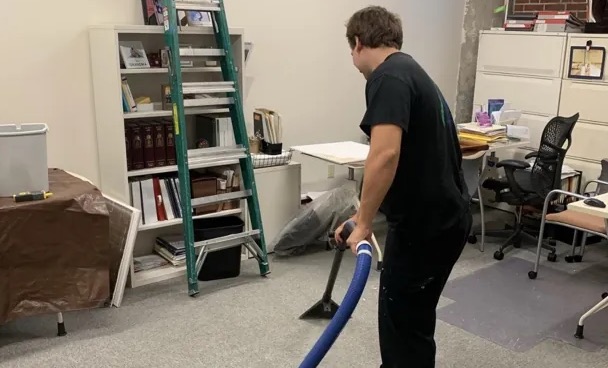
Water-Damaged Flooring Removal Services for Holt Township Residents
Water trapped under flooring in Holt Township soaks the subfloor and starts rot, swelling and odors that spread with every day it stays. Removing ruined flooring lets the structure underneath dry properly.
Bathroom floods and slab leaks in Holt Township often soak tile floors. Pros extract water from under tile and confirm the base is dry before any repairs.
Detailed Water-Damaged Flooring Removal Procedures
Emergency Floor Water Extraction
In Holt Township, pros extract water first to keep it from moving under walls or into other rooms.
Floor Moisture Inspection
Pros scan the floor to show which materials must be removed and which can be saved.
Vinyl Floor Water Damage
Even waterproof vinyl can trap water underneath, so pros remove it in the wet area and dry.
Tile Floor Water Cleanup
Water soaks through grout into the underlayment, so the water extraction pros extract water and dry the base under the tile.
Hardwood Floor Water Damage
Pros in Holt Township check how wet the boards are, use drying mats and remove only planks that cannot be saved.
How to Know You Need Water-Damaged Flooring Removal in Holt Township
Discolored or Stained Flooring
Dark stains on carpet, grout or wood show the floor has stayed damp for too long.
Warping or Cupping Hardwood
Wood planks that curl at the edges or buckle in the middle have water trapped underneath them.
Soft or Spongy Floor Sections
Soft or spongy spots underfoot point to water damage in the subfloor below the finish.
Laminate Flooring Edge Swelling
Swollen laminate edges are a clear sign the planks have absorbed water.
How Water-Damaged Flooring Removal Works in Holt Township
Step 1: Floor Moisture Inspection
Meters map moisture in floors, walls and subfloors to define exactly what must be removed.
Step 2: Waterlogged Floor Removal
Ruined carpet, pad, tile or planks are cut out and removed from the water-damaged area.
Step 3: Structural Drying Procedures
Air movers and dehumidifiers work together to dry the subfloor and framing thoroughly.
Step 4: Final Verification and Cleanup
Readings confirm the area is dry, and debris is cleared for the next construction step.
Common Causes of Water Damage in Holt Township
Sump Pump Failure in Basements
A failed or overwhelmed sump pump lets basement water rise and soak flooring.
Window and Door Seal Failure
Failed seals around windows and doors let rain and melting snow soak interior floors.
HVAC Condensate Drain Clogs
A clogged AC drain line can overflow and drip onto floors for weeks unnoticed.
Appliance Leaks and Overflows
Leaking dishwashers, washing machines or water heaters can flood floors with a lot of water.
Residential and Commercial Water-Damaged Flooring Removal in Holt Township
Residential Water-Damaged Flooring Removal
After a pipe burst at home, pros extract water from living rooms and bedrooms, assess hardwood and dry the subfloor.
Commercial Water-Damaged Flooring Removal
Restaurant kitchens and locker rooms need tile floors dried with industrial equipment and the damage documented for insurance.
The Risks of DIY Water-Damaged Flooring Removal in Holt Township
If a washer line leaks onto laminate, shut off the water and unplug the washer, then wipe up surface water. Widespread swelling or a wet subfloor needs professional removal and drying.
Factors Affecting Water-Damaged Flooring Removal Cost in Holt Township, MI
The cost in Holt Township depends mainly on the square footage affected and whether the flooring is carpet, hardwood or tile.
Emergency Response
Emergency removal after hours may be priced higher than scheduled daytime work.
Post-Removal Services
Final moisture checks and site preparation for new flooring add to the total.
Contamination Level
Floodwater with sewage or chemicals requires extra safety steps during the extraction.
Does Insurance Cover Water-Damaged Flooring Removal?
For tile or carpet damage, your insurer decides coverage from your policy's water damage terms. Pros supply the evidence for the claim.
Reasons to Select Water Extraction Pros for Water-Damaged Flooring Removal in Holt Township
Proper Material Handling
Hardwood and tile are handled carefully so salvageable materials are not damaged further.
Focused Material Removal
Only ruined materials are removed, and anything that can be saved is kept in place.
IICRC-Standard Drying Methods
Drying follows accepted industry methods so subfloors and nearby materials are fully dried.
24/7 Emergency Water-Damaged Flooring Removal in Holt Township
After a burst pipe or flood, call the pros at (517) 300-2470 for flooring removal and drying. Early work limits damage to the structure.
Call Now (517) 300-2470Water-Damaged Flooring Removal in Holt Township and Other Areas Served
Homes and businesses throughout Holt Township can get laminate flooring removal and tile floor water cleanup as part of water-damaged flooring removal.
- Water-Damaged Flooring Removal in Ann Arbor
- Water-Damaged Flooring Removal in Auburn Hills
- Water-Damaged Flooring Removal in Bath Township
- Water-Damaged Flooring Removal in Battle Creek
- Water-Damaged Flooring Removal in Bay City
- Water-Damaged Flooring Removal in Delta Center
- Water-Damaged Flooring Removal in Delta Township West
- Water-Damaged Flooring Removal in DeWitt Township
Frequently Asked Questions About Water-Damaged Flooring Removal
What tools are used for floor water extraction?
Truck-mounted or portable extractors pull water from carpet and pad before any material is removed.
Can water-damaged hardwood floors be saved?
Sometimes, if drying starts promptly, but severe cupping or swelling usually means the boards are replaced.
What follows emergency floor water extraction?
Pros decide which flooring must come out, then set up drying equipment for the structure underneath.
Is wet carpet removal a DIY job?
It is not recommended, since removal can spread contamination and miss hidden moisture underneath.
Can flooring be replaced immediately after removal?
No. The subfloor must be fully dry and pass a moisture check before new flooring goes in.