Holt Township, MI
Structural Drying Services in Holt Township, MIWater Damaged Floor Removal & Flooded Room Drying
Structural Drying Services in Holt Township manage emergencies like emergency burst pipe cleanup, water damaged floor removal, and wall cavity drying.
Answered 24/7
Professional Structural Drying Services in Holt Township, MI
In the Holt Township area, getting standing water out fast is the first defense. The less time drywall, hardwood and framing stay wet, the more of them can be saved.
Available Structural Drying Services in Holt Township, MI
Water Damaged Floor Removal
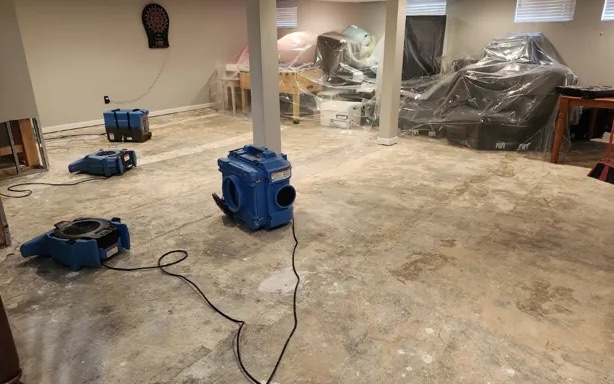
When water seeps under flooring, removal may be required. Sections of finished flooring are taken up to reach and dry the structural subfloor, a step that helps halt rot and mold growth.
Flooded Room Drying
Extracting standing water is the initial step for flooded room drying. Dehumidifiers and air movers are then positioned to draw moisture from materials and the air, a systematic process that helps prevent secondary damage for properties in Holt Township.
Subfloor Water Extraction
A wet subfloor weakens the floor and makes the air musty. Pros extract the water from it and dry it fully.
Emergency Burst Pipe Cleanup
A burst pipe can flood several rooms at once. Pros extract the water and move contents out of the way to limit structural damage.
Wall Cavity Drying
Wall cavities stay wet after the surface feels dry. Pros map the moisture, then blow dry air into the cavity until it is dry.
Symptoms Requiring Structural Drying Services in Holt Township
Buckling Hardwood Floorboards
Wood planks that cup or buckle have absorbed a lot of water from below.
Persistent Musty Odors
A lingering earthy smell often means moisture is trapped inside a wall cavity.
Cold Damp Spots on Walls
Cold spots on an inside wall can mean the insulation behind it is wet.
Sagging Ceiling Materials
Sagging ceiling drywall or tiles are holding water and can fall. Keep people out from under them.
How Structural Drying Services Work in Holt Township
Step 1: Source Containment and Extraction
The first priority is stopping the water source and extracting all standing water, initiating the emergency drying services protocol.
Step 2: Detailed Moisture Inspection
Moisture remediation pros inspect wall cavities, subfloors, and other hidden areas with sensors to define the full drying scope.
Step 3: Aggressive Structural Water Removal
Using industrial-grade equipment, pros execute aggressive structural drying to eliminate moisture from within the building's framework.
Step 4: Validation of Dry Standards
Final readings confirm all affected materials meet their dry targets before equipment is removed.
Why Properties in Holt Township Need Structural Drying Services
Appliance Hose Failures
Washing machine, dishwasher or ice maker lines can rupture and flood the floor around them.
Severe Weather Flooding
Heavy rain and overland flooding can push water into a building through doors and low walls.
HVAC System Condensation
Clogged drain pans or faulty condensate lines on air handlers keep nearby areas damp.
Fire Suppression System Discharge
An accidental fire sprinkler discharge can soak an entire commercial space in a short time.
Home and Business Structural Drying Services in Holt Township, MI
Residential Structural Drying Services
For homes in Holt Township, the pros dry flooded rooms and remove wet drywall. Moisture mapping finds hidden dampness, and industrial dehumidifiers dry the structure.
Commercial Structural Drying Services
For businesses, water from roofs, pipes or sprinklers is extracted and the space is dried with targeted air movers so work can resume sooner.
Why DIY Isn't Enough for Structural Drying Services in Holt Township
Improving ventilation by opening windows can aid drying in a localized, minor dampness scenario with good outdoor conditions. For significant flooding, hidden moisture, or when musty odors develop, professional water damage drying with industrial-grade equipment is required to fully remediate the problem.
What Affects Structural Drying Services Cost in Holt Township
The extent of structural water removal needed in your property directly influences the overall investment, especially if hidden cavities like wall cavities are involved.
Extent of Damage
The size of the affected area and depth of water penetration into materials like drywall or subfloor dictate resource needs.
Emergency Response
Calls after hours, like a burst pipe at night, can cost more.
Access Complexity
Hidden moisture in wall cavities or under flooring increases labor for access and specialized drying equipment deployment.
Does Insurance Cover Structural Drying Services?
Coverage varies by policy and provider. The water category (clean, gray or black) also affects what is covered. Review your policy and talk with your adjuster.
Benefits of Local Moisture Remediation Pros for Structural Drying Services in Holt Township
IICRC-Standard Drying Methods
Pros follow industry drying standards so no hidden moisture is left to cause secondary damage.
Material-Specific Protocols
Pros dry each material in the way that suits it and remove only what cannot be saved.
Containment and Safety
Setting up containment barriers helps protect unaffected areas of your home or business during the water removal and drying work.
Urgent Structural Drying Services for Holt Township Properties
Water damage escalates quickly. For structural drying services after a burst pipe or flood in Holt Township, call (517) 300-2470 for help.
Call Now (517) 300-2470Local Structural Drying Services Coverage for Holt Township
Homes and businesses throughout Holt Township can get water damaged floor removal and emergency burst pipe cleanup as part of structural drying services.
- Structural Drying Services in Ann Arbor
- Structural Drying Services in Auburn Hills
- Structural Drying Services in Bath Township
- Structural Drying Services in Battle Creek
- Structural Drying Services in Bay City
- Structural Drying Services in Delta Center
- Structural Drying Services in Delta Township West
- Structural Drying Services in DeWitt Township
Frequently Asked Questions About Structural Drying Services
Why is water extraction the first step in moisture remediation?
Removing standing water with powerful extractors is the fastest way to reduce the total moisture load, making subsequent dehumidification and drying far more efficient.
How is property drying monitored for progress?
Progress is tracked with regular moisture readings using meters, comparing them to established dry standards to determine when the drying goals are met.
Does wall cavity drying require opening up the walls?
Often, small access holes are created to insert drying equipment like injection dryers, allowing air circulation within the cavity to remove trapped moisture without full demolition.
Can wet drywall be saved, or does it always require removal?
It depends on the saturation level and contamination. Moderately wet, clean drywall may dry, but heavily saturated or contaminated panels often require wet drywall removal.
Is subfloor water extraction always necessary after a flood?
Water in the subfloor has to be extracted and dried, or it leads to rot and mold under the flooring.