Ann Arbor, MI · Washtenaw County
Structural Drying Services in Ann Arbor, MIWall Cavity Drying & Wet Drywall Removal
Structural Drying Services in Ann Arbor include subfloor water extraction, commercial building drying, and wet drywall removal.
Answered 24/7
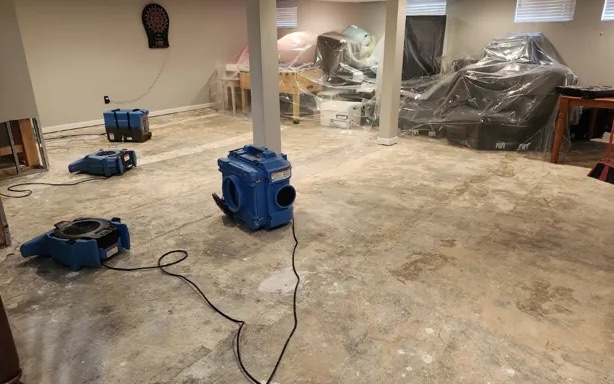
Professional Structural Drying Services in Ann Arbor, MI
When water damage strikes in Ann Arbor, structural integrity is the immediate concern. Uncontrolled moisture can quickly degrade building materials, threatening your property's safety and value long after the initial leak is stopped.
In Ann Arbor and nearby Ypsilanti, Novi and Farmington Hills, drying prevents mold and wood rot after water damage. Pros map the moisture first, then dry wall cavities and subfloors.
Detailed Structural Drying Services in Ann Arbor
Wall Cavity Drying
Wall cavities stay wet after the surface feels dry. Pros map the moisture, then blow dry air into the cavity until it is dry.
Wet Drywall Removal
Soggy drywall can degrade quickly, requiring prompt assessment of moisture content. If removal is necessary, sections are cleared to improve air circulation and stop persistent dampness within the structure.
Water Damaged Floor Removal
Saturated flooring often requires removal. Structural drying pros evaluate damage and may remove compromised floorboards or tiles.
Emergency Burst Pipe Cleanup
After a burst pipe, the water is shut off and standing water is removed first, then drying of walls and floors begins.
Subfloor Water Extraction
Subfloor water extraction pulls moisture from this critical layer. The pros use sub-surface tools for thorough drying.
Symptoms Requiring Structural Drying Services in Ann Arbor
Damp or Wet Carpeting
Carpet that stays wet for hours after a leak lets water soak into the subfloor.
Visible Condensation on Walls
Water beading on walls or windows points to high humidity and possible hidden damage.
Peeling Paint or Bubbling
Paint that blisters or peels means moisture is getting in behind the surface.
Warped Wooden Trim
Baseboards or window casings pulling away from the wall mean the wall behind them is wet.
How Structural Drying Services Work in Ann Arbor
Step 1: Source Containment and Extraction
The first priority is stopping the water source and extracting all standing water, initiating the emergency drying services protocol.
Step 2: Detailed Moisture Inspection
The pros inspect wall cavities, subfloors, and other hidden areas with sensors to define the full drying scope.
Step 3: Aggressive Structural Water Removal
Using industrial-grade equipment, pros execute aggressive structural drying to eliminate moisture from within the building's framework.
Step 4: Validation of Dry Standards
Final readings confirm all affected materials meet their dry targets before equipment is removed.
Common Causes for Structural Drying in Ann Arbor
Severe Weather Flooding
Heavy rain and overland flooding can push water into a building through doors and low walls.
Window or Door Seal Failure
Failed window and door seals let wind-driven rain into the walls during storms.
HVAC System Condensation
Clogged drain pans or faulty condensate lines on air handlers keep nearby areas damp.
Sewer or Drain Backups
A blocked main line can push contaminated water back up through floor drains.
Residential and Commercial Structural Drying Services in Ann Arbor
Residential Structural Drying Services
For homes in Ann Arbor, the pros dry flooded rooms and remove wet drywall. Moisture mapping finds hidden dampness, and industrial dehumidifiers dry the structure.
Commercial Structural Drying Services
For businesses, water from roofs, pipes or sprinklers is extracted and the space is dried with targeted air movers so work can resume sooner.
Professional Structural Drying Services or DIY in Ann Arbor
If you discover a small, clean water spill, you can safely use towels to soak up surface moisture and improve air circulation with fans. However, for any water covering more than a few square feet or involving drywall or flooring, call the pros for structural drying services to prevent hidden damage.
Factors in Structural Drying Services Pricing for Ann Arbor
The total price depends on how much extraction is needed and on extra steps like moisture mapping and drywall removal.
Emergency Response
Calls after hours, like a burst pipe at night, can cost more.
Drying Time Required
The duration needed for thorough dehumidification and air movement to reach dry standards impacts equipment rental and labor costs.
Secondary Repairs
Removing wet drywall or flooring adds demolition, hauling and disposal work to the job.
Does Insurance Cover Structural Drying Services?
For flood drying from external sources like storms or overflowing bodies of water, a separate flood insurance policy is usually required, as standard homeowners policies do not cover it.
The Value of Local Water Damage Pros for Structural Drying Services in Ann Arbor
Material-Specific Protocols
Pros dry each material in the way that suits it and remove only what cannot be saved.
Comprehensive Water Extraction
Powerful extraction removes standing water quickly, a critical first step before the detailed structural drying process begins.
Containment and Safety
Setting up containment barriers helps protect unaffected areas of your home or business during the water removal and drying work.
Urgent Structural Drying Services for Ann Arbor Properties
Water damage keeps spreading until the structure is dried. For 24/7 drying in Ann Arbor, call (517) 300-2470 for the pros.
Call Now (517) 300-2470Regions Covered for Structural Drying Services from Ann Arbor
Each place listed below has its own page with local details.
- Structural Drying Services in Ypsilanti
- Structural Drying Services in Novi
- Structural Drying Services in Farmington Hills
- Structural Drying Services in Southfield
- Structural Drying Services in Jackson
- Structural Drying Services in Flint
- Structural Drying Services in Saginaw
- Structural Drying Services in Grand Rapids
Structural Drying Services in Ann Arbor: Your Questions
Can carpet be saved after water damage, or is removal required?
Often, if the water is clean and extraction starts early. Carpet soaked by contaminated water usually has to be removed.
What is involved in the structural drying process?
The process begins with water extraction, followed by moisture mapping to assess damage, then targeted drying with air movers and dehumidifiers to restore dry conditions.
What is moisture mapping during structural drying services?
Moisture mapping uses sensors and cameras to create a detailed map of moisture levels within materials, guiding the drying strategy for hidden areas like wall cavities.
Are contents and belongings handled during structural drying?
Moveable contents are often relocated, cleaned, or dried separately to allow full access to the structure and to prevent damage to personal items during the process.
How does ceiling water damage cleanup proceed safely?
After ensuring structural safety, water extraction from the affected area is performed, followed by controlled drying and assessment for necessary repairs to the ceiling materials.