Lansing, MI · Ingham County
Mold Remediation in Lansing, MIMold Prevention Services & Emergency Mold Removal
Mold Remediation in Lansing includes mold inspection services, mold in attic cleanup and emergency mold removal, plus air quality testing.
Answered 24/7
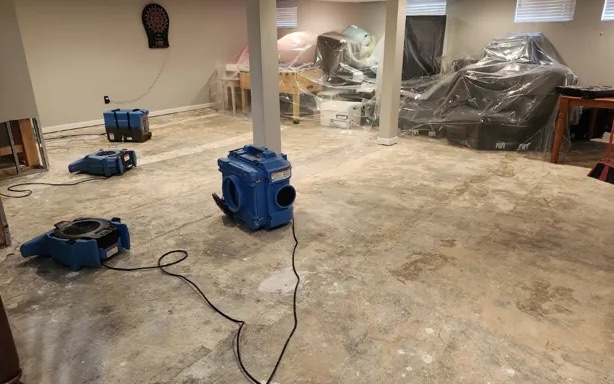
Local Mold Remediation for Lansing Homes
Mold in Lansing homes usually grows where a leak or humidity has kept materials damp: inside walls, in attics, under sinks. Left alone, it spreads and damages drywall and wood.
Attic mold and mold in walls are the most common jobs in Lansing and nearby Edgemont Park, Waverly and East Lansing. Pros cover floors and seal off unaffected rooms while they work.
Mold Remediation Services in Lansing
Mold Prevention Services
Pros in Lansing can point out risk areas such as crawl spaces and bathrooms, with practical steps to keep them dry.
Emergency Mold Removal
For widespread mold after a recent leak or flood, pros in Lansing are available around the clock to contain the area and start removal.
Black Mold Remediation
Pros seal off the area, wear protective gear and cut out the moldy material in one piece where possible, which limits how many spores are released.
Mold in Walls Removal
Mold in a wall cavity can spread spores through the HVAC system. Pros isolate the area, remove the drywall and clean the studs.
Mold in Attic Cleanup
A musty smell from the ceiling can point to attic mold. Pros clean or remove affected rafters and sheathing and apply antimicrobial treatment.
Common Indicators of a Mold Problem
Health Symptoms Worsen at Home
Headaches, breathing problems or fatigue that get worse at home may be linked to mold.
Mold in Air Vents or Ducts
Black residue or fuzzy spots around air vents can mean mold in the HVAC system.
Spongy or Soft Flooring
Soft or spongy flooring has taken on water and may have mold underneath.
Damp or Humid Feeling Rooms
A room that always feels damp, even with no visible leak, is a room where mold can grow.
How Mold Remediation Works in Lansing
Step 1: Visual and Moisture Inspection
Pros look for every moisture source and all visible mold, with meters to back it up.
Step 2: Source Repair and Isolation
The leak or moisture problem is repaired, then the area is isolated before removal.
Step 3: Mold Elimination and Debris Removal
Mold is removed from surfaces, by cleaning or by taking out the material, and all debris is hauled away.
Step 4: Final Drying and Air Testing
A final drying phase removes leftover moisture, and air testing can confirm the result.
Common Causes of Mold Growth in Lansing
Inadequate Attic Ventilation
Poor attic airflow traps warm, damp air, which condenses on cold sheathing and grows mold.
Condensation on Cold Surfaces
Warm, moist indoor air hitting cold walls or pipes forms condensation that keeps those surfaces damp.
Poor Bathroom Ventilation
Without a working exhaust fan, shower steam soaks walls and ceilings and feeds bathroom mold.
Flooding and Storm Water Backup
Flooding soaks building materials, and mold follows if they are not dried quickly.
Residential and Commercial Mold Remediation in Lansing
Residential Mold Remediation
Home mold often starts with a roof leak in the attic or a plumbing leak behind a wall. Pros remove it and keep living areas sealed off during the work.
Commercial Mold Remediation
Commercial buildings get mold from roof leaks, tenant plumbing and humidity from heavy use. Pros handle offices, stores and warehouses to industry standards.
When DIY Is Not Enough for Mold Remediation in Lansing
Dry a small clean-water spill within 24 to 48 hours to prevent mold. If materials stayed wet longer or you suspect hidden moisture, testing and drying equipment are needed.
Mold Remediation Cost in Lansing, MI
In Lansing, cleaning contents such as furniture and documents and treating the air both add to the total.
Demolition and Repair Scope
Removing and discarding drywall or insulation, then rebuilding, adds to the bill.
Air Quality Testing
Inspection before work and clearance testing after cleanup are usually separate line items.
Moisture Source Correction
Fixing the leak or humidity problem that caused the mold is part of a complete job.
Does Insurance Cover Mold Remediation?
Your insurer decides. A policy may cover mold from a covered water event, often with a lower limit for the mold work than for the water damage. Keep moisture readings and photos.
Benefits of Local Help for Mold Remediation in Lansing
Focused Attic and Wall Remediation
Attics and wall cavities are tight spaces; pros have the access and containment methods for them.
IICRC-Standard Remediation Methods
Containment, removal and cleaning follow published industry standards, so each step can be checked.
Content Cleaning and Restoration
Belongings are cleaned with antimicrobial products where possible, to save what can be saved.
24/7 Mold Remediation When You Need It Most
Found a lot of mold? Call (517) 300-2470 24/7 to talk with local mold damage pros about what to do next in Lansing.
Call Now (517) 300-2470Mold Remediation Across Lansing and Beyond
Mold inspection and removal are available in Lansing and the wider area, including Edgemont Park, Waverly and East Lansing.
FAQs About Mold Remediation in Lansing
What are the health risks of black mold?
Black mold can trigger allergies, asthma attacks and breathing irritation, especially in children and sensitive people.
Why is mold inspection needed before buying a home?
It can reveal hidden mold and moisture problems before you buy, so they factor into your decision.
What does mold inspection services involve?
A visual check, moisture mapping and often air or surface sampling to identify mold type and amount.
Can mold in attic spaces affect the whole house?
Yes. Spores from attic mold can travel through the HVAC system or air currents into living areas.
What tools do professionals use for mold testing?
Calibrated pumps collect air samples that a lab analyzes for mold type and concentration.