Lansing, MI · Ingham County
Storm Damage Restoration in Lansing, MIWall Cavity Drying After Storms & Emergency Board Up Services
Storm Damage Restoration for Lansing properties includes storm flooded basement cleanup, debris removal after storm and storm damage water extraction.
Answered 24/7
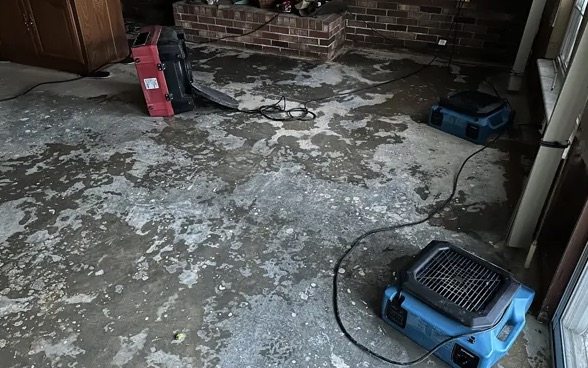
Storm Water Damage Cleanup in Lansing, Michigan
Water from a storm can keep coming in after the rain stops, through a roof that is still open or a window that is still broken.
Storm damage restoration is available in Lansing and nearby Edgemont Park, Waverly and East Lansing. The pros handle board-up, tarping, water extraction and drying after storms of any size.
Storm Damage Restoration Services in Lansing
Wall Cavity Drying After Storms
Storm water inside exterior walls often shows up as bubbling paint or a damp baseboard. Drying the cavity keeps the framing from rotting.
Emergency Board Up Services
Broken windows and doors are covered with plywood so rain and wind stop coming in and the home is secure while drying runs.
Wind-Driven Rain Drying
Strong wind pushes rain sideways through window frames, vents and siding joints. The pros dry the wall cavities and floors that this water reached.
Storm Flooded Basement Cleanup
When heavy rain overwhelms a sump or comes through window wells, the pros extract the water and dry the basement framing and finishes.
Storm Damage Water Extraction
Rainwater that came in through a roof, window or door is removed from floors, carpet and the space under cabinets before it soaks into walls.
Signs You Need Storm Damage Restoration
Wet Carpet Near Windows and Doors
Damp carpet or swollen flooring along exterior walls shows that rain was driven in around frames or under doors.
Bubbling Paint on Exterior Walls
Paint that bubbles on the inside of an exterior wall after a storm points to water that got behind the siding.
Ceiling Stains After a Storm
New brown rings or damp spots on the ceiling after high wind or hail mean water is getting through the roof.
Wet Attic Insulation
Damp or matted insulation in the attic after a storm means rain is getting past the roof deck.
How Storm Damage Restoration Works in Lansing
Step 1: Secure the Building
Broken windows and doors are boarded up and roof damage is tarped so no more rain gets in.
Step 2: Remove Debris
Mud, glass, branches and wet insulation that came inside are cleared so the floors and walls can be reached.
Step 3: Storm Damage Water Extraction
Water is removed from floors, carpet and under cabinets with pumps and extractors, starting where it is deepest.
Step 4: Dry and Monitor
Air movers and dehumidifiers run while the pros take daily readings, until walls and floors match dry areas.
Typical Storm Damage in Lansing, Michigan
Storm Runoff Into Basements
Heavy rain can raise the water around a house and push it through window wells, cracks and floor drains.
Roof Damage From Wind
High winds lift and tear shingles and flashing, exposing the roof deck to rain that soaks into the attic.
Flying Debris
Outdoor furniture, signs and branches carried by wind can break glass and doors and let rain into the home.
Power Outages
Storms that knock out power stop pumps and dehumidifiers, so water that gets in stays longer than it otherwise would.
Home and Business Storm Damage Cleanup in Lansing
Residential Storm Damage Restoration
In condos and townhomes, storm water can come through a neighbor's unit or a shared roof. The pros dry each affected unit and record what they find in each.
Commercial Storm Damage Restoration
Stores and offices with broken glass get boarded up for security, and wet stock and furniture are moved before extraction and drying begin.
When Storm Damage Is Too Big for DIY
Move furniture, electronics and rugs away from wet areas and out from under leaks. Set buckets under drips and lay towels to keep water from spreading.
Pricing Storm Damage Cleanup in Lansing
Board-up and tarping, debris removal, water extraction and drying are each priced separately, so the total depends on which ones your home needs.
Basement Flooding
Pumping out a flooded basement and removing wet finishes adds equipment and labor to the job.
Board-Up and Tarping
Covering broken windows, doors and roof openings adds materials and labor before drying can start.
Water Source
Rain coming through a roof is cleaner than floodwater from outside. Dirty water means more cleaning and removal of porous materials.
Does Insurance Cover Storm Damage Restoration?
Many homeowner policies cover water damage from wind and hail when the storm opens the roof or breaks windows. Flood water from outside usually needs a separate flood policy.
Reasons to Use Local Pros for Storm Cleanup
Notes for Other Trades
Roof, window and siding damage is noted with photos, so roofers and contractors know where water got in.
Homes and Businesses
The same steps apply to houses, condos, stores and offices, scaled to the size of the building and the damage.
Openings Covered First
Board-up and tarping keep more rain out, so drying is not undone by the next storm.
Emergency Storm Damage Help in Lansing, MI
Storm water inside your Lansing home? Call (517) 300-2470 24/7. The pros can board up openings, tarp the roof and start extraction once it is safe.
Call Now (517) 300-2470Areas Served for Storm Damage Restoration Near Lansing
Homes in Lansing and nearby places such as Edgemont Park, Waverly and East Lansing can get help with board-up, tarping, water extraction and drying after storms.
Storm Damage Restoration FAQs
What is emergency board-up?
Plywood is fastened over broken windows and doors so rain and wind stay out and the home is secure while it dries.
Does insurance cover storm damage?
Many policies cover damage from wind and hail. Flooding from rising water outside usually needs a separate flood policy. Your insurer decides coverage.
Do the pros repair roofs and windows?
They cover them with tarps and plywood so the inside can dry. Permanent roof, window and siding repairs are done by those trades.
How soon should storm cleanup start?
As soon as it is safe. Wet drywall, carpet and insulation can start to grow mold in 24 to 48 hours, and open roofs and windows let in more rain.
Do I need to leave my home during storm cleanup?
Usually not, unless the damage makes the home unsafe or power is out. Wet areas are closed off while equipment runs.