Holt Township, MI
Water Damage Repair in Holt Township, MIWater Damaged Floor Repair & Emergency Water Extraction
Effective Water Damage Repair in Holt Township includes pipe burst cleanup service, mold remediation after water, and emergency water removal.
Answered 24/7
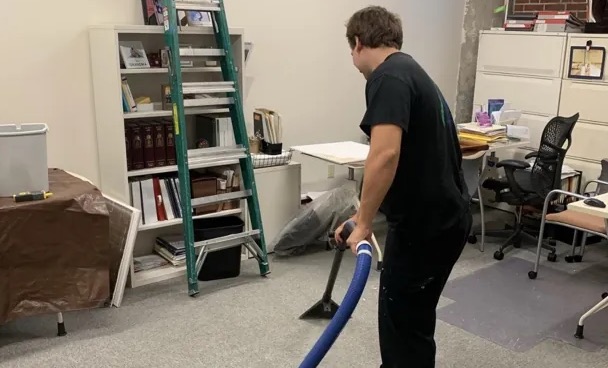
Water Damage Repair Response in Holt Township
Unaddressed moisture from leaks or floods leads to warped floors, stained ceilings, and hidden dampness in wall cavities. Effective water damage cleanup preserves property value and habitability by halting material degradation and preventing secondary issues like mold.
In the Holt Township area, water damage often means wet carpet and leaking ceilings. Local water extraction experts dry to a set plan and document the work with photos and moisture readings.
Water Damage Repair Services in Holt Township
Water Damaged Floor Repair
Water under flooring causes hidden damage. The pros inspect and may pull up planks to access and dry the subfloor, stabilizing the area.
Emergency Water Extraction
Large amounts of water from sudden incidents are removed quickly, which shortens drying and lowers the risk of mold.
Carpet Water Extraction
Commercial extractors make several passes to pull water from carpet fibers and the pad below, which prevents odors and germs after a spill or leak.
Wet Drywall Removal
When drywall soaks up water, pros in Holt Township measure the moisture and cut out the damaged sections so mold does not grow inside the wall.
Mold Remediation After Water
Hidden water damage often leads to mold. Pros remove moldy materials, HEPA vacuum the area and dry it so the mold does not return.
When to Call for Water Damage Repair in Holt Township
Musty or Moldy Odors
A persistent damp, earthy smell often signals hidden moisture and potential mold.
High Humidity in Rooms
A clammy feel in the air or condensation on windows can mean wet materials nearby are releasing moisture.
Wet Drywall and Ceilings
Soft, discolored, or sagging drywall or ceilings are classic signs of water damage.
Leaking Sounds or Drips
Hearing dripping or running water behind walls signals a hidden leak that could cause structural water damage.
How Water Damage Repair Works in Holt Township
Step 1: First Call and Containment
Early work by the pros contains the water damage area to limit its spread to other parts of the property.
Step 2: Flooded Area Water Pumping
For significant flooding, submersible pumps are deployed for basement flood water removal, quickly reducing the water level.
Step 3: Targeted Material Drying
Drying is focused on specific materials like drywall, flooring, and insulation, using techniques for wet drywall repair and drying.
Step 4: Post-Drying Evaluation
After drying, a final check confirms no moisture is left that could lead to mold.
Typical Water Damage Origins in Holt Township
Foundation Cracks and Seepage
Cracks in foundation walls let groundwater seep into the basement, often after heavy rain.
Appliance Malfunctions and Leaks
Water heaters, washing machines and dishwashers can fail and flood the floor around them.
Sump Pump Failure
A sump pump that stops working during heavy rain can quickly flood a basement.
Sewage Backup or Drain Clogs
A main line blockage can push contaminated water back up through floor drains.
Both Home and Business Water Damage Repair in Holt Township
Residential Water Damage Repair
At home, leaks and floods ruin floors, walls and belongings. The pros extract water and remove wet drywall to industry standards to protect the structure and air.
Commercial Water Damage Repair
For businesses, water damage can stop operations and ruin stock. The pros respond day or night to restore the space and control moisture so you can reopen.
The Risks of DIY Water Damage Repair in Holt Township
You can use towels to blot small, recent spills on hard surfaces. However, for any water that has penetrated under flooring or behind walls, call the experts.
Understanding Water Damage Repair Pricing in Holt Township
Emergency service timing can influence restoration costs. 24/7 help to halt spreading damage typically begins with water extraction and mitigation steps.
Affected Materials
Porous materials like drywall, carpet, and insulation often require removal, adding demolition and disposal costs.
Water Contamination Level
Clean water from a pipe burst is less costly to manage. Grey or black water requires advanced safety measures and may mandate more extensive removal.
Location Accessibility
Easily accessed areas simplify service. Confined spaces like attics or basements may require special equipment setup, influencing the overall project labor.
Does Insurance Cover Water Damage Repair?
Coverage for wet drywall removal and related repairs often exists for covered water losses. Insurers generally pay to dry out structures and restore them to pre-loss condition. The experts provide precise documentation of affected areas and the methods used.
Advantages of Hiring Restoration Pros in Holt Township
Controlled Demolition Practices
When materials like wet drywall must be removed, it is done precisely. This minimizes unnecessary disturbance to surrounding, undamaged parts of your home.
Advanced Water Extraction Equipment
Industrial pumps and extractors remove large volumes of water from flooded areas quickly.
Comprehensive Moisture Detection
Specialized tools like moisture meters and thermal cameras help find hidden wetness. This helps ensure all affected areas are addressed during drying.
24/7 Emergency Water Damage Repair for Holt Township
Ceiling leaks can worsen quickly and cause ceiling collapse. For emergency ceiling leak water cleanup, call (517) 300-2470 day or night. The pros can address the water source and start drying affected ceilings and attics.
Call Now (517) 300-2470Water Damage Repair Service Area Including Holt Township
In Holt Township, water damage repair starts with finding and fixing the leak, then drying the structure.
Your Water Damage Repair Questions Addressed
What causes ceiling leaks that need water cleanup?
Common sources are roof leaks, plumbing leaks from upstairs bathrooms, or condensation from HVAC systems. Identifying and stopping the water source is the first step before ceiling repair can begin.
What equipment is used for emergency water removal?
Industrial submersible pumps, truck-mounted or portable extractors, and wet/dry vacuums are used for water removal. These are followed by air movers and dehumidifiers for the structural drying phase.
How quickly should water extraction services begin?
As soon as possible. Water spreads quickly and soaks into materials, so early work limits the damage.
Can water damaged floor repair save my flooring?
It depends on the flooring type, water category, and saturation time. Non-porous materials like tile may be saved, while porous wood or laminate often requires removal and replacement after prolonged wetness.
Is wet drywall removal always necessary?
Drywall is porous and often retains moisture inside wall cavities. If saturated, removal is usually required to allow proper drying of studs and insulation and to prevent mold growth behind walls.