Greater Lansing, MI
Full Structural Restoration in Greater Lansing, MIPost-Flood Structural Repair & Floor Joist Repair Services
Full Structural Restoration in Greater Lansing covers structural water damage repair, foundation water restoration and wall framing drying services.
Answered 24/7
Professional Full Structural Restoration in Greater Lansing, MI
In Greater Lansing, long exposure to water can rot wood framing and crack masonry. Full structural restoration dries and repairs these parts of the building.
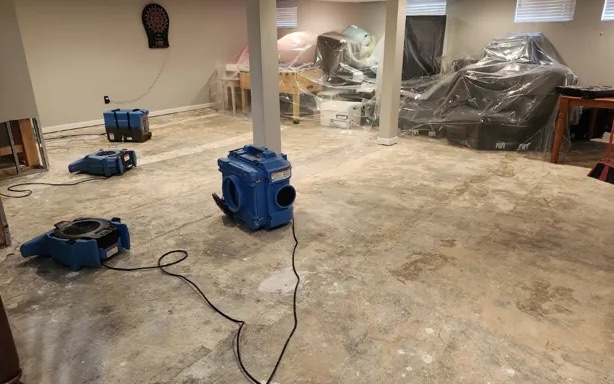
After major water exposure in Greater Lansing, wall framing is dried and the structure dehumidified. Each job in Greater Lansing starts with finding the source of the problem so the structural restoration pros can plan cleanup and repairs around it.
Full Structural Restoration Solutions for Greater Lansing Properties
Post-Flood Structural Repair
Post-flood structural repair addresses the building's load-bearing elements. It often involves foundation stabilization, joist replacement, and wall framing reinforcement. These repairs focus on safety and structural integrity.
Floor Joist Repair Services
Soggy floor joists compromise floor stability. Repair starts with a complete subfloor assessment. Experts measure moisture and test wood integrity to choose a method.
Structural Water Damage Repair
Hidden framing gets wet when water runs into walls and floors. Pros use moisture meters and thermal imaging to find it, then dry it in place.
Load-Bearing Wall Restoration
Water damage to a load-bearing wall requires expert attention. Restoration involves stabilizing the area before drying. Pros may install temporary supports while drying studs.
Structural Integrity Assessment
In the Greater Lansing area, this assessment helps homeowners understand the situation. The pros document the extent of the damage and provide a clear report to support next steps.
When to Consider Full Structural Restoration in Greater Lansing
Musty Odors in Wall Cavities
Persistent musty smells from walls or floors suggest hidden moisture and decay within the structural framing.
Foundation Wall Efflorescence
White, chalky residue on foundation walls means water is seeping through the concrete.
Post-Flood Visible Wood Rot
Discolored, soft or crumbling wood after a flood needs to be checked to see whether it can be dried or must be replaced.
Wall Framing Soft to Touch
Drywall or plaster that feels soft or damp means the framing behind it is likely wet and needs drying.
How Full Structural Restoration Works in Greater Lansing
Step 1: On-Site Structural Integrity Assessment
The job begins with a hands-on assessment of all framing, from the foundation up, to diagnose the full scope of structural damage.
Step 2: Controlled Demolition for Access
Selective, careful removal of finishes provides access to wet structural wood for the upcoming wall framing drying services and repairs.
Step 3: Targeted Drying Protocol Implementation
A customized drying plan using injectidry systems or similar technology addresses hidden moisture in structural members for post-flood structural repair.
Step 4: Reconstruction With Durable Materials
The final phase involves rebuilding with treated or moisture-resistant lumber where needed, solidifying the building structure repair for the long term.
Events That Require Full Structural Restoration in Greater Lansing
Appliance Leaks or Malfunctions
Water heater ruptures or washing machine hose failures release large volumes, compromising structural wood near utilities.
Natural Disaster Impact
Events causing significant water intrusion, such as pipe bursts or appliance failures, necessitate a thorough structural damage assessment for the safety of the building's framework.
Sewage Backup or Clean Water Infiltration
Sewer backups or sump pump failures flood basements, damaging structural posts and foundational elements.
Roof Leaks Over Extended Periods
Chronic roof leaks allow water to drip into attics and walls, slowly degrading structural framing integrity.
Greater Lansing Full Structural Restoration for All Property Types
Residential Full Structural Restoration
For homes, foundation water restoration addresses cracks and seepage. Local structural restoration pros in Greater Lansing dry the area and add exterior or interior drainage to keep water out.
Commercial Full Structural Restoration
For commercial properties, wall framing drying services protect inventory and equipment. The professionals use targeted air movers and dehumidifiers to dry wall cavities in offices or labs without damaging sensitive contents.
Full Structural Restoration vs. DIY: When to Call Local Pros
You can safely document the damage for insurance by taking clear photos and videos from a safe distance. Note any visible cracks, sagging, or water stains. However, avoid touching or applying pressure to compromised structural elements and call the pros for a full structural restoration assessment.
What Affects Full Structural Restoration Cost in Greater Lansing, MI
In Greater Lansing, cost depends on the volume of water, contamination and the structural work needed. Heavy flooding often means more drying and more replaced materials.
Local structural restoration pros Labor Rates
The prevailing rates for the specialists in the Michigan area are a component of the final service estimate.
Required Drying Time
Structural drying and dehumidification processes must run until materials reach a specific moisture content, affecting equipment rental duration and energy use.
Scope of Deconstruction
The amount of drywall, flooring, or insulation that must be removed to access and dry structural elements influences the project's labor intensity.
Does Insurance Cover Full Structural Restoration?
The pros document the damage for a homeowner's claim. Their report explains why drying or wall repairs were needed and includes moisture readings. Coverage decisions belong to the insurer.
Selecting Local Pros in Greater Lansing for Your Structural Restoration
Post-Flood Structural Protocols
Specific procedures for post-flood structural repair address contamination and saturation levels to safely restore the building's framework.
Thorough Dehumidification Process
Industrial dehumidifiers lower the ambient humidity to properly dry dense structural materials like framing lumber, preventing warping and mold.
Precision Framing Repair
Framing and joists are dried and restored to their original load-carrying capacity.
24/7 Emergency Full Structural Restoration in Greater Lansing
When water threatens a home's framework, delay increases repair complexity and potential for mold growth. Homeowners should reach the professionals for urgent structural integrity assessment and mitigation by calling (517) 300-2470 anytime.
Call Now (517) 300-2470Full Structural Restoration in Greater Lansing and Other Areas Served
Load-bearing wall restoration and other structural repairs are necessary to maintain a home's stability after a leak or flood.
- Full Structural Restoration in Bath
- Full Structural Restoration in Charlotte
- Full Structural Restoration in Delhi Township
- Full Structural Restoration in Delta Township
- Full Structural Restoration in DeWitt
- Full Structural Restoration in Dimondale
- Full Structural Restoration in East Lansing
- Full Structural Restoration in Eaton Rapids
Full Structural Restoration in Greater Lansing: Your Questions
Are special methods used for structural water damage repair?
Yes, methods include cutting access openings, building drying chambers and using industrial equipment for dense, waterlogged materials.
Why is foundation water restoration urgent?
Saturated foundation materials can erode, shift, or lose strength, leading to settlement cracks and instability in the entire structure above. Fast drying keeps repairs smaller.
What equipment is used for structural drying methods?
Standard tools are industrial dehumidifiers, air movers, wall cavity drying systems and thermal cameras.
How long does structural drying and dehumidification take?
Drying dense structural wood like floor joists and wall framing typically takes several days, monitored with moisture meters until materials reach a dry standard to prevent future rot.
Can water-damaged load-bearing walls be saved?
Often yes, through professional load-bearing wall restoration involving careful drying and sistering new studs to damaged ones. A structural damage assessment determines if full replacement is necessary.