Greater Lansing, MI
Attic Water Damage Restoration in Greater Lansing, MIAttic Leak Water Cleanup & Roof Leak Water Removal
Attic Water Damage Restoration in Greater Lansing includes roof leak water removal, ceiling water damage cleanup and attic moisture inspection.
Answered 24/7
Get Help with Attic Water Damage Restoration in Greater Lansing
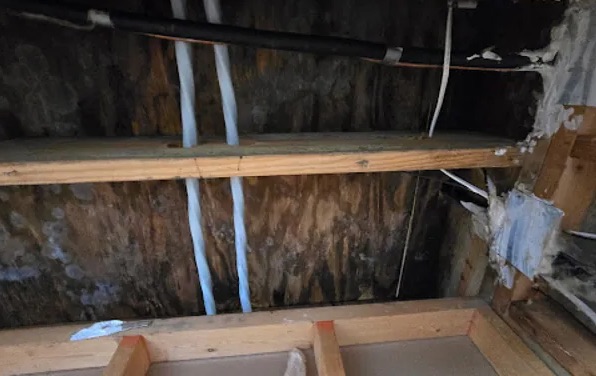
Attics hide water well. Insulation absorbs it, wood soaks it up, and nobody goes up there often. In Greater Lansing, the first sign is usually a ceiling stain, a musty smell upstairs or a drip during heavy rain.
Available Attic Water Damage Restoration Work in Greater Lansing
Attic Leak Water Cleanup
Leak cleanup in an attic means working between joists and around ducts, wiring and insulation, removing water from every spot it pooled.
Roof Leak Water Removal
A roof leak often drips in one spot but spreads along rafters and decking. The pros follow the water path to find every wet area.
Attic Mold Prevention
After drying, an antimicrobial can be applied to roof decking and framing that were wet, to slow mold on surfaces that stay in place.
Ceiling Water Damage Cleanup
Damaged ceiling drywall below the attic is removed, the cavity is dried, and the ceiling is ready for patching once readings are normal.
Attic Moisture Inspection
Readings are recorded before and during drying, giving you and your insurer a clear record of the attic damage.
Do You Need Attic Water Damage Restoration in Greater Lansing?
Wet or Sagging Insulation
Insulation that looks matted, dark or compressed, or sags between joists, has absorbed water.
Sagging or Bowed Roof Decking
Roof decking that sags or bows between rafters may be soaked or starting to rot.
Water Stains on Ceiling
Brown rings or yellow spots on an upstairs ceiling usually mean water is sitting on the drywall from above.
High Energy Bills
Wet insulation loses its insulating value, so heating and cooling bills can rise after a leak.
How Attic Water Damage Restoration Works in Greater Lansing
Step 1: Source Stop and Water Extraction
A tarp is placed over roof damage or the pipe is shut off, and water in the attic is removed.
Step 2: Removal of Damaged Materials
Ruined insulation and sagging ceiling drywall are removed to stop further damage and open the area to air.
Step 3: Attic Drying
Dehumidifiers and air movers run until wood framing and decking return to normal moisture levels.
Step 4: Cleaning and Odor Removal
Debris is cleared, dust is cleaned from the room below, and musty odors are addressed.
What Causes Attic Water Damage in Greater Lansing?
Attic Appliance Leaks
AC air handlers in the attic overflow when the condensate line clogs or the pan cracks.
Condensation From Poor Ventilation
Warm, moist air from the house condenses on cold roof decking when the attic is poorly vented.
Burst or Leaking Plumbing Pipes
Supply lines and water heaters in the attic can leak or burst directly onto the ceiling.
Failing Roof Valley or Flashing
Worn flashing around valleys, chimneys and skylights lets water run into the attic.
Both Residential & Commercial Attic Water Damage Restoration
Residential Attic Water Damage Restoration
Homeowners often store boxes and holiday items in the attic. Wet belongings are moved out and dried or discarded before work on the insulation and framing starts.
Commercial Attic Water Damage Restoration
Offices and stores with roof leaks need the area below protected during work. Drying is planned around business hours where possible to keep the space open.
Why DIY Attic Water Damage Restoration Often Fails in Greater Lansing
Putting a bucket under a drip and moving belongings is a good first step. Call local restoration specialists if the ceiling is stained, sagging or wet, or if the attic insulation is soaked.
Understanding Attic Water Damage Restoration Pricing
The cost of attic water damage restoration in Greater Lansing depends on how much of the attic got wet, whether insulation and ceiling drywall must come out, and how long drying takes.
Ceiling Repair Needs
Replacing, taping and painting ceiling drywall after drying adds to the total.
Type of Water Involved
Clean rainwater is simpler to handle than water from a drain or a contaminated source.
Extent of Water Intrusion
A small leak at one spot costs less to dry than water spread across the attic and the rooms below.
Does Insurance Cover Attic Water Damage Restoration?
Take photos of the ceiling, the attic and any storm damage on the roof before cleanup starts. Keep receipts for tarping and emergency drying.
Why Choose Local Pros for Attic Water Damage Restoration in Greater Lansing
Ceiling Damage Mitigation
Sagging ceiling drywall is drained and removed safely before it can fall.
Wet Insulation Handling
Wet insulation is bagged and removed carefully, keeping debris out of the living space.
Roof Leak Location
The leak point is marked and photographed so the roofer can fix the right spot.
Emergency Attic Water Removal Available Now
A wet attic soaks the ceiling below within hours. Call (517) 300-2470 for attic water damage restoration in Greater Lansing at any time of the day or night.
Call Now (517) 300-2470Local Attic Water Damage Restoration Coverage Area
Help with attic water damage restoration is available across Greater Lansing, including attic leak water cleanup and wet attic insulation removal.
- Attic Water Damage Restoration in Ann Arbor
- Attic Water Damage Restoration in Auburn Hills
- Attic Water Damage Restoration in Bath
- Attic Water Damage Restoration in Bath Township
- Attic Water Damage Restoration in Battle Creek
- Attic Water Damage Restoration in Bay City
- Attic Water Damage Restoration in Charlotte
- Attic Water Damage Restoration in Delhi Township
Your Attic Water Damage Restoration Questions Resolved
Is attic mold prevention always needed after water damage?
Fast drying is always needed. Antimicrobial treatment is added when wood stayed wet long enough to need it.
What happens during attic leak water cleanup?
Pooled water is removed, wet insulation is bagged and taken out, and the framing and decking are dried with air movers and dehumidifiers.
What is structural drying for an attic?
Drying the rafters, joists and roof decking with directed airflow and dehumidifiers until moisture readings return to normal.
How do I know the attic is completely dry?
Moisture readings on decking, rafters and the ceiling are compared to unaffected dry areas until they match.
Can attic water damage affect indoor air?
Wet insulation and wood can cause musty odors that reach the living space, so drying and removing soaked materials matters.