Ann Arbor, MI · Washtenaw County
Attic Water Damage Restoration in Ann Arbor, MIRoof Leak Water Removal & Attic Mold Prevention
Attic Water Damage Restoration in Ann Arbor includes roof leak water removal, ceiling water damage cleanup and attic moisture inspection.
Answered 24/7
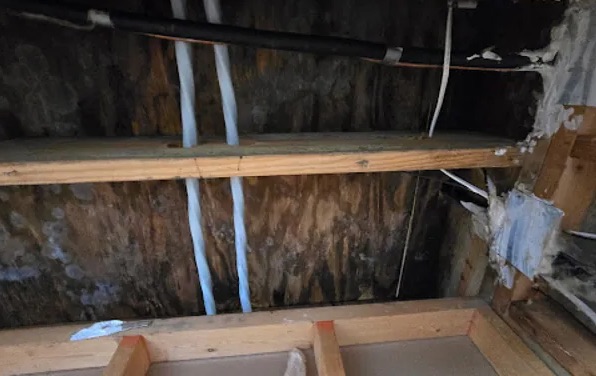
Expert Attic Water Damage Restoration Serving Ann Arbor, MI
Attics hide water well. Insulation absorbs it, wood soaks it up, and nobody goes up there often. In Ann Arbor, the first sign is usually a ceiling stain, a musty smell upstairs or a drip during heavy rain.
A storm leak in Ann Arbor can soak attic insulation in one night. Local restoration specialists serve Ann Arbor and nearby Ypsilanti, Novi and Farmington Hills, with help available around the clock.
Detailed Attic Water Damage Restoration Solutions
Roof Leak Water Removal
A roof leak often drips in one spot but spreads along rafters and decking. The pros follow the water path to find every wet area.
Attic Mold Prevention
After drying, an antimicrobial can be applied to roof decking and framing that were wet, to slow mold on surfaces that stay in place.
Ceiling Water Damage Cleanup
A ceiling stained or soaked from an attic leak is drained safely, and sagging drywall is cut out before it falls into the room.
Attic Drying Services
Air movers and dehumidifiers dry rafters, joists and roof decking. Attic heat speeds drying in summer, while cooler months need more dehumidification.
Emergency Attic Water Extraction
Water in the attic quickly becomes a ceiling problem. Fast extraction keeps the ceiling drywall below from sagging and falling.
When to Call for Attic Water Damage Restoration in Ann Arbor
Wet or Sagging Insulation
Insulation that looks matted, dark or compressed, or sags between joists, has absorbed water.
Dripping Sounds From Ceiling
Dripping or tapping sounds above the ceiling, especially during rain, mean water is getting in.
Rust on Nails or Vents
Rusted nail tips, vent flanges or metal straps in the attic point to repeated moisture.
Crumbling Drywall Tape
Ceiling drywall tape that bubbles, cracks or peels usually means water is soaking the seams.
How Attic Water Damage Restoration Works in Ann Arbor
Step 1: First Call and Inspection
The pros check the attic and ceiling, take photos and note where the water entered the attic.
Step 2: Bulk Water and Debris Removal
Standing water, wet insulation and fallen drywall are removed from the attic and room below.
Step 3: Drying and Monitoring
Readings are taken daily, and equipment is adjusted until every wet material is dry.
Step 4: Detailed Reporting for Insurance
A summary of the damage, the materials removed and the drying results is prepared for your claim.
Common Causes of Attic Leaks in Ann Arbor
Clogged or Damaged Gutters
Clogged gutters overflow at the roof edge, pushing water under shingles and into the soffits.
Ice Dam Formation on Roof
Ice dams at the roof edge force melting snow back under the shingles and into the attic.
Overflow From Bathroom Exhaust Fans
Bathroom fans that vent into the attic, or have disconnected ducts, release moisture onto the decking.
Improperly Sealed Roof Penetrations
Gaps around vents, pipes and antennas that pass through the roof let water in when seals fail.
Home and Business Attic Water Damage Restoration Services
Residential Attic Water Damage Restoration
Homeowners often store boxes and holiday items in the attic. Wet belongings are moved out and dried or discarded before work on the insulation and framing starts.
Commercial Attic Water Damage Restoration
Offices and stores with roof leaks need the area below protected during work. Drying is planned around business hours where possible to keep the space open.
When Attic Water Removal Requires Local Pros
You can check the attic with a flashlight for wet insulation and dripping water if it is safe to do so. Removing soaked insulation and drying the framing takes equipment, protection and safe footing.
Factors Affecting Attic Water Damage Restoration Cost in Ann Arbor
Each attic water damage restoration job in Ann Arbor is priced after the attic is inspected. The pros check how far the water spread and explain what will be removed before starting.
Mold Prevention Measures
Antimicrobial treatment of decking and rafters that stayed wet is an added cost.
Duration Before Response
A leak found right away costs less to fix than one that soaked the attic for weeks.
Required Drying Time
Dense wood framing can take several days to dry, adding equipment time.
Does Insurance Cover Attic Water Damage Restoration?
Many homeowner policies cover sudden roof leaks from storms and burst attic pipes, but not damage from worn-out roofing or slow leaks. Read your policy and call your insurer early.
The Value of Local Attic Water Damage Restoration Experts
Wet Insulation Handling
Wet insulation is bagged and removed carefully, keeping debris out of the living space.
Advanced Moisture Detection
Moisture meters and thermal cameras find wet insulation, wood and drywall that look dry.
Ceiling Damage Mitigation
Sagging ceiling drywall is drained and removed safely before it can fall.
24/7 Emergency Attic Water Damage Restoration in Ann Arbor
Ceiling bulging or sagging? Keep everyone out of the room below it and call (517) 300-2470 now for attic water damage restoration in Ann Arbor.
Call Now (517) 300-2470Local Attic Water Damage Restoration Coverage Area
Each place listed below has its own page with local details.
- Attic Water Damage Restoration in Ypsilanti
- Attic Water Damage Restoration in Novi
- Attic Water Damage Restoration in Farmington Hills
- Attic Water Damage Restoration in Southfield
- Attic Water Damage Restoration in Jackson
- Attic Water Damage Restoration in Flint
- Attic Water Damage Restoration in Saginaw
- Attic Water Damage Restoration in Grand Rapids
Attic Water Damage Restoration Information and Answers
What equipment is used for attic water removal?
Wet vacs, air movers, dehumidifiers, moisture meters and thermal cameras, plus bags and HEPA vacuums for insulation removal.
What causes attic leaks besides storms?
Worn flashing, clogged gutters, attic AC overflows, plumbing leaks and bathroom fans venting into the attic.
How long does the attic drying process take?
Often several days, depending on how wet the wood is, the attic temperature and how much insulation was removed.
What is structural drying for an attic?
Drying the rafters, joists and roof decking with directed airflow and dehumidifiers until moisture readings return to normal.
Is attic mold prevention always needed after water damage?
Fast drying is always needed. Antimicrobial treatment is added when wood stayed wet long enough to need it.