Charlotte, MI · Eaton County
Attic Water Damage Restoration in Charlotte, MICeiling Water Damage Cleanup & Wet Attic Insulation Removal
Get attic water damage restoration in Charlotte for emergency attic water extraction, wet attic insulation removal and attic mold prevention.
Answered 24/7
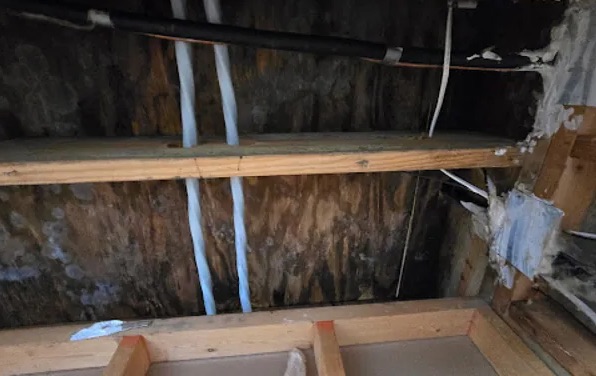
Attic Water Damage Restoration Solutions in Charlotte
Attics hide water well. Insulation absorbs it, wood soaks it up, and nobody goes up there often. In Charlotte, the first sign is usually a ceiling stain, a musty smell upstairs or a drip during heavy rain.
A storm leak in Charlotte can soak attic insulation in one night. Local water removal experts serve Charlotte and nearby Potterville, Eaton Rapids and Dimondale, with help available around the clock.
Detailed Attic Water Damage Restoration Solutions
Ceiling Water Damage Cleanup
A ceiling stained or soaked from an attic leak is drained safely, and sagging drywall is cut out before it falls into the room.
Wet Attic Insulation Removal
Insulation that stayed wet for days is removed rather than dried, since it rarely recovers and keeps the ceiling drywall damp.
Roof Leak Water Removal
A roof leak often drips in one spot but spreads along rafters and decking. The pros follow the water path to find every wet area.
Attic Drying Services
Air movers and dehumidifiers dry rafters, joists and roof decking. Attic heat speeds drying in summer, while cooler months need more dehumidification.
Attic Mold Prevention
After drying, an antimicrobial can be applied to roof decking and framing that were wet, to slow mold on surfaces that stay in place.
Warning Signs You Need Attic Water Damage Restoration
Dripping Sounds From Ceiling
Dripping or tapping sounds above the ceiling, especially during rain, mean water is getting in.
Visible Mold in Attic
Dark spots on roof decking or rafters mean the wood has stayed damp for some time.
Crumbling Drywall Tape
Ceiling drywall tape that bubbles, cracks or peels usually means water is soaking the seams.
Musty Odors in Home
A musty or damp smell on the upper floor can point to wet insulation or wood in the attic.
How Attic Water Damage Restoration Works in Charlotte
Step 1: First Call and Inspection
The pros check the attic and ceiling, take photos and note where the water entered the attic.
Step 2: Bulk Water and Debris Removal
Standing water, wet insulation and fallen drywall are removed from the attic and room below.
Step 3: Drying and Monitoring
Readings are taken daily, and equipment is adjusted until every wet material is dry.
Step 4: Detailed Reporting for Insurance
A summary of the damage, the materials removed and the drying results is prepared for your claim.
Typical Sources of Attic Moisture Issues
Storm Damage From Wind or Hail
Wind and hail can tear shingles or puncture the roof, letting rain in during the storm.
Condensation From Poor Ventilation
Warm, moist air from the house condenses on cold roof decking when the attic is poorly vented.
Ice Dam Formation on Roof
Ice dams at the roof edge force melting snow back under the shingles and into the attic.
Attic Appliance Leaks
AC air handlers in the attic overflow when the condensate line clogs or the pan cracks.
Attic Water Damage Restoration for All Property Types in Charlotte
Residential Attic Water Damage Restoration
In two-story homes, an attic leak can affect both upstairs ceilings and the walls below them. Each wet area is checked with a meter and dried.
Commercial Attic Water Damage Restoration
Flat-roof commercial buildings often have leaks that travel before dripping. The pros trace the water path to find every wet section above the ceiling.
Handling Attic Water Damage: DIY Risks vs. Pro Help
Never step between attic joists, since the ceiling drywall will not hold your weight. If water is pooling up there, call (517) 300-2470 instead of trying to reach it yourself.
Attic Water Damage Restoration Cost in Charlotte, MI
Each attic water damage restoration job in Charlotte is priced after the attic is inspected. The pros check how far the water spread and explain what will be removed before starting.
Mold Prevention Measures
Antimicrobial treatment of decking and rafters that stayed wet is an added cost.
Duration Before Response
A leak found right away costs less to fix than one that soaked the attic for weeks.
Required Drying Time
Dense wood framing can take several days to dry, adding equipment time.
Does Insurance Cover Attic Water Damage Restoration?
Many homeowner policies cover sudden roof leaks from storms and burst attic pipes, but not damage from worn-out roofing or slow leaks. Read your policy and call your insurer early.
Why Choose Local Pros for Attic Water Damage Restoration in Charlotte
Mold Prevention Focus
Fast drying of wood framing is the main way to limit microbial growth after a leak.
Ceiling Damage Mitigation
Sagging ceiling drywall is drained and removed safely before it can fall.
Industry Drying Standards
Drying follows industry water damage standards, with readings taken at each visit.
Emergency Attic Water Removal Available Now
Storm, night or holiday, local water removal experts handle attic leaks in Charlotte. Call (517) 300-2470 to get the water out and drying started.
Call Now (517) 300-2470Local Attic Water Damage Restoration Coverage Area
Each place listed below has its own page with local details.
- Attic Water Damage Restoration in Potterville
- Attic Water Damage Restoration in Eaton Rapids
- Attic Water Damage Restoration in Dimondale
- Attic Water Damage Restoration in Grand Ledge
- Attic Water Damage Restoration in Waverly
- Attic Water Damage Restoration in Perry
- Attic Water Damage Restoration in Saint Johns
- Attic Water Damage Restoration in Portland
Frequently Asked Attic Water Damage Restoration Questions
Is attic mold prevention always needed after water damage?
Fast drying is always needed. Antimicrobial treatment is added when wood stayed wet long enough to need it.
What causes attic leaks besides storms?
Worn flashing, clogged gutters, attic AC overflows, plumbing leaks and bathroom fans venting into the attic.
What is structural drying for an attic?
Drying the rafters, joists and roof decking with directed airflow and dehumidifiers until moisture readings return to normal.
What equipment is used for attic water removal?
Wet vacs, air movers, dehumidifiers, moisture meters and thermal cameras, plus bags and HEPA vacuums for insulation removal.
Why is an attic moisture inspection important after a leak?
Water spreads along rafters and insulation away from the drip point. Meters find all of it, so nothing is left wet.