Saint Johns, MI · Clinton County
Attic Water Damage Restoration in Saint Johns, MIAttic Moisture Inspection & Emergency Attic Water Extraction
Attic Water Damage Restoration in Saint Johns includes roof leak water removal, ceiling water damage cleanup and attic moisture inspection.
Answered 24/7
Attic Water Damage Restoration Solutions in Saint Johns
Wet attic insulation is heavy and holds water against the ceiling drywall. In Saint Johns homes, that weight and moisture can make a ceiling sag and eventually fall if the insulation is not removed.
Homeowners in Saint Johns can call (517) 300-2470 day or night when water is dripping from the ceiling. Service also covers DeWitt, Laingsburg and DeWitt Township, with the same attic inspection and drying process.
Detailed Attic Water Damage Restoration Solutions
Attic Moisture Inspection
An inspection shows how far the water spread from the leak point, which decides what is dried in place and what is removed.
Emergency Attic Water Extraction
Water in the attic quickly becomes a ceiling problem. Fast extraction keeps the ceiling drywall below from sagging and falling.
Attic Leak Water Cleanup
Leak cleanup in an attic means working between joists and around ducts, wiring and insulation, removing water from every spot it pooled.
Attic Drying Services
Attic drying targets the wood framing and the ceiling below, with readings taken until both return to normal levels.
Wet Attic Insulation Removal
Wet fiberglass batts lose their insulating value and hold water against the ceiling. Soaked sections are bagged and removed so the area underneath can dry.
Signs of Attic Water Damage in Saint Johns Homes
Peeling Paint or Wallpaper
Paint that bubbles or peels on upstairs ceilings and walls often has water behind it.
Visible Mold in Attic
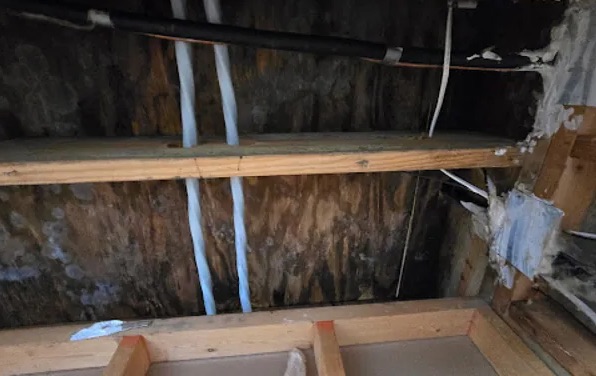
Dark spots on roof decking or rafters mean the wood has stayed damp for some time.
Rust on Nails or Vents
Rusted nail tips, vent flanges or metal straps in the attic point to repeated moisture.
Water Stains on Ceiling
Brown rings or yellow spots on an upstairs ceiling usually mean water is sitting on the drywall from above.
How Attic Water Damage Restoration Works in Saint Johns
Step 1: Source Stop and Water Extraction
A tarp is placed over roof damage or the pipe is shut off, and water in the attic is removed.
Step 2: Removal of Damaged Materials
Ruined insulation and sagging ceiling drywall are removed to stop further damage and open the area to air.
Step 3: Attic Drying
Dehumidifiers and air movers run until wood framing and decking return to normal moisture levels.
Step 4: Cleaning and Odor Removal
Debris is cleared, dust is cleaned from the room below, and musty odors are addressed.
Typical Sources of Attic Moisture Issues
Burst or Leaking Plumbing Pipes
Supply lines and water heaters in the attic can leak or burst directly onto the ceiling.
Overflow From Bathroom Exhaust Fans
Bathroom fans that vent into the attic, or have disconnected ducts, release moisture onto the decking.
Roof Leaks and Damaged Shingles
Missing, cracked or lifted shingles let rain reach the roof deck and drip into the attic.
Condensation From Poor Ventilation
Warm, moist air from the house condenses on cold roof decking when the attic is poorly vented.
Residential and Commercial Attic Water Damage Restoration in Saint Johns
Residential Attic Water Damage Restoration
At home, attic leaks usually show up as a stain on a bedroom or hallway ceiling. The attic is dried, wet insulation removed and the ceiling below repaired or dried in place.
Commercial Attic Water Damage Restoration
In commercial buildings, water above a drop ceiling can soak tiles, wiring and insulation across several rooms. Affected tiles are removed and the space above them is dried.
Why DIY Attic Water Damage Restoration Often Fails in Saint Johns
If a ceiling is bulging with water, do not stand under it. Place a bucket nearby, keep people away and call local attic water damage pros to drain and remove it safely.
What Influences Attic Water Damage Restoration Expenses?
Each attic water damage restoration job in Saint Johns is priced after the attic is inspected. The pros check how far the water spread and explain what will be removed before starting.
Affected Attic Materials
Wet insulation, decking and ceiling drywall that must be removed add labor and disposal costs.
Type of Water Involved
Clean rainwater is simpler to handle than water from a drain or a contaminated source.
Required Drying Time
Dense wood framing can take several days to dry, adding equipment time.
Does Insurance Cover Attic Water Damage Restoration?
Ceiling damage below an attic leak is usually handled as part of the same claim. Make sure the adjuster sees both the attic and the room below.
Why Choose Local Pros for Attic Water Damage Restoration in Saint Johns
Detailed Documentation
Photos, readings and drying logs are kept to support your insurance claim.
Structural Drying Expertise
Drying equipment is placed for attic framing and decking, where moisture is hardest to remove.
Mold Prevention Focus
Fast drying of wood framing is the main way to limit microbial growth after a leak.
Emergency Attic Water Removal Available Now
Storm, night or holiday, local attic water damage pros handle attic leaks in Saint Johns. Call (517) 300-2470 to get the water out and drying started.
Call Now (517) 300-2470Local Attic Water Damage Restoration Coverage Area
Each place listed below has its own page with local details.
- Attic Water Damage Restoration in DeWitt
- Attic Water Damage Restoration in Laingsburg
- Attic Water Damage Restoration in DeWitt Township
- Attic Water Damage Restoration in Bath
- Attic Water Damage Restoration in Wacousta
- Attic Water Damage Restoration in Charlotte
- Attic Water Damage Restoration in Perry
- Attic Water Damage Restoration in Portland
Attic Water Damage Restoration Information and Answers
Does a roof leak always cause attic mold growth?
No. Mold is more likely when wood and insulation stay wet for days, so drying is the main way to prevent it.
What is involved in emergency attic water extraction?
Catching active drips, removing pooled water from decking and drywall tops, and starting drying before the ceiling below is ruined.
Can wet attic insulation be saved after a leak?
Lightly damp insulation sometimes dries, but soaked or matted insulation is usually removed and replaced after the attic is dry.
How do I know the attic is completely dry?
Moisture readings on decking, rafters and the ceiling are compared to unaffected dry areas until they match.
What equipment is used for attic water removal?
Wet vacs, air movers, dehumidifiers, moisture meters and thermal cameras, plus bags and HEPA vacuums for insulation removal.