Delhi Township, MI
Attic Water Damage Restoration in Delhi Township, MICeiling Water Damage Cleanup & Wet Attic Insulation Removal
Attic Water Damage Restoration in Delhi Township runs from roof leak water removal and attic leak water cleanup to attic drying services.
Answered 24/7
Get Help with Attic Water Damage Restoration in Delhi Township
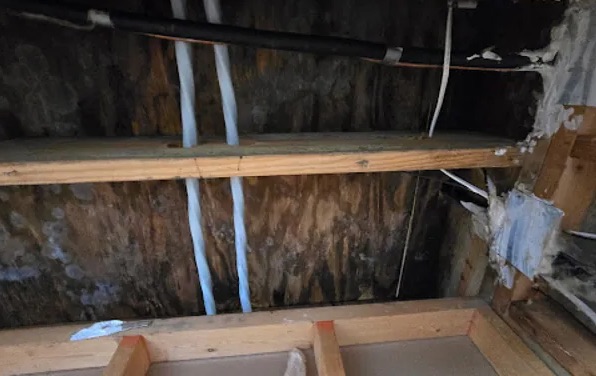
Attics hide water well. Insulation absorbs it, wood soaks it up, and nobody goes up there often. In Delhi Township, the first sign is usually a ceiling stain, a musty smell upstairs or a drip during heavy rain.
Available Attic Water Damage Restoration Work in Delhi Township
Ceiling Water Damage Cleanup
A ceiling stained or soaked from an attic leak is drained safely, and sagging drywall is cut out before it falls into the room.
Wet Attic Insulation Removal
Insulation that stayed wet for days is removed rather than dried, since it rarely recovers and keeps the ceiling drywall damp.
Attic Leak Water Cleanup
After a leak, the attic is checked from the roof deck down to the ceiling below, and all standing water and soaked debris are taken out.
Attic Moisture Inspection
Moisture meters and thermal cameras check decking, rafters, insulation and the ceiling below to find every wet area.
Roof Leak Water Removal
A roof leak often drips in one spot but spreads along rafters and decking. The pros follow the water path to find every wet area.
Warning Signs You Need Attic Water Damage Restoration
Increased Humidity Upstairs
Upstairs rooms that feel clammy even with the AC on may have moisture coming from the attic.
Crumbling Drywall Tape
Ceiling drywall tape that bubbles, cracks or peels usually means water is soaking the seams.
Peeling Paint or Wallpaper
Paint that bubbles or peels on upstairs ceilings and walls often has water behind it.
Water Stains on Ceiling
Brown rings or yellow spots on an upstairs ceiling usually mean water is sitting on the drywall from above.
How Attic Water Damage Restoration Works in Delhi Township
Step 1: Source Stop and Water Extraction
A tarp is placed over roof damage or the pipe is shut off, and water in the attic is removed.
Step 2: Removal of Damaged Materials
Ruined insulation and sagging ceiling drywall are removed to stop further damage and open the area to air.
Step 3: Attic Drying
Dehumidifiers and air movers run until wood framing and decking return to normal moisture levels.
Step 4: Cleaning and Odor Removal
Debris is cleared, dust is cleaned from the room below, and musty odors are addressed.
What Causes Attic Water Damage in Delhi Township?
Failing Roof Valley or Flashing
Worn flashing around valleys, chimneys and skylights lets water run into the attic.
Storm Damage From Wind or Hail
Wind and hail can tear shingles or puncture the roof, letting rain in during the storm.
Attic Appliance Leaks
AC air handlers in the attic overflow when the condensate line clogs or the pan cracks.
Condensation From Poor Ventilation
Warm, moist air from the house condenses on cold roof decking when the attic is poorly vented.
Attic Water Damage Restoration for Homes and Businesses in Delhi Township, MI
Residential Attic Water Damage Restoration
For townhomes and condos, an attic leak can cross into a neighbor's space. Fast drying and clear records help sort out repairs with the association.
Commercial Attic Water Damage Restoration
Property managers get photos and readings for each affected unit or suite, which simplifies insurance claims and roof repair planning.
Attic Water Damage Restoration vs. DIY: When to Call the Pros
You can check the attic with a flashlight for wet insulation and dripping water if it is safe to do so. Removing soaked insulation and drying the framing takes equipment, protection and safe footing.
Cost Considerations for Attic Water Damage Restoration Work
An attic leak caught after the first storm costs less to fix in Delhi Township than one that soaked insulation and decking for a whole season.
Required Drying Time
Dense wood framing can take several days to dry, adding equipment time.
Size and Accessibility
Low, tight attics take longer to work in than tall attics with easy access.
Type of Water Involved
Clean rainwater is simpler to handle than water from a drain or a contaminated source.
Does Insurance Cover Attic Water Damage Restoration?
Coverage for attic water damage restoration depends on the cause of the leak and your policy terms. The pros document the damage and drying, and your insurer decides what is covered.
The Value of Local Attic Water Damage Restoration Experts
Mold Prevention Focus
Fast drying of wood framing is the main way to limit microbial growth after a leak.
Industry Drying Standards
Drying follows industry water damage standards, with readings taken at each visit.
Detailed Documentation
Photos, readings and drying logs are kept to support your insurance claim.
24/7 Attic Water Damage Restoration Response for Delhi Township
If water is coming through a light fixture, turn off that circuit at the panel and keep clear. Then call (517) 300-2470 for help in Delhi Township.
Call Now (517) 300-2470Local Attic Water Damage Restoration Coverage Area
Homes and businesses throughout Delhi Township can get roof leak water removal and attic mold prevention as part of attic water damage restoration.
- Attic Water Damage Restoration in Ann Arbor
- Attic Water Damage Restoration in Auburn Hills
- Attic Water Damage Restoration in Bath
- Attic Water Damage Restoration in Bath Township
- Attic Water Damage Restoration in Battle Creek
- Attic Water Damage Restoration in Bay City
- Attic Water Damage Restoration in Charlotte
- Attic Water Damage Restoration in Delta Center
Your Attic Water Damage Restoration Questions Resolved
How long does the attic drying process take?
Often several days, depending on how wet the wood is, the attic temperature and how much insulation was removed.
Can wet attic insulation be saved after a leak?
Lightly damp insulation sometimes dries, but soaked or matted insulation is usually removed and replaced after the attic is dry.
How is attic water damage documented?
With photos of the leak point and damage, moisture readings, a list of removed materials and daily drying logs.
How do I know the attic is completely dry?
Moisture readings on decking, rafters and the ceiling are compared to unaffected dry areas until they match.
What are common signs of poor attic ventilation?
Damp or dark roof decking, rusted nails, musty smells and condensation on the underside of the roof.