West Lansing, MI
HVAC Fire Damage Cleanup in West Lansing, MISmoke Odor Neutralization & HVAC Fire Damage Cleanup
Air duct soot removal, HVAC filter replacement, and smoke odor neutralization are part of HVAC Fire Damage Cleanup in West Lansing.
Answered 24/7
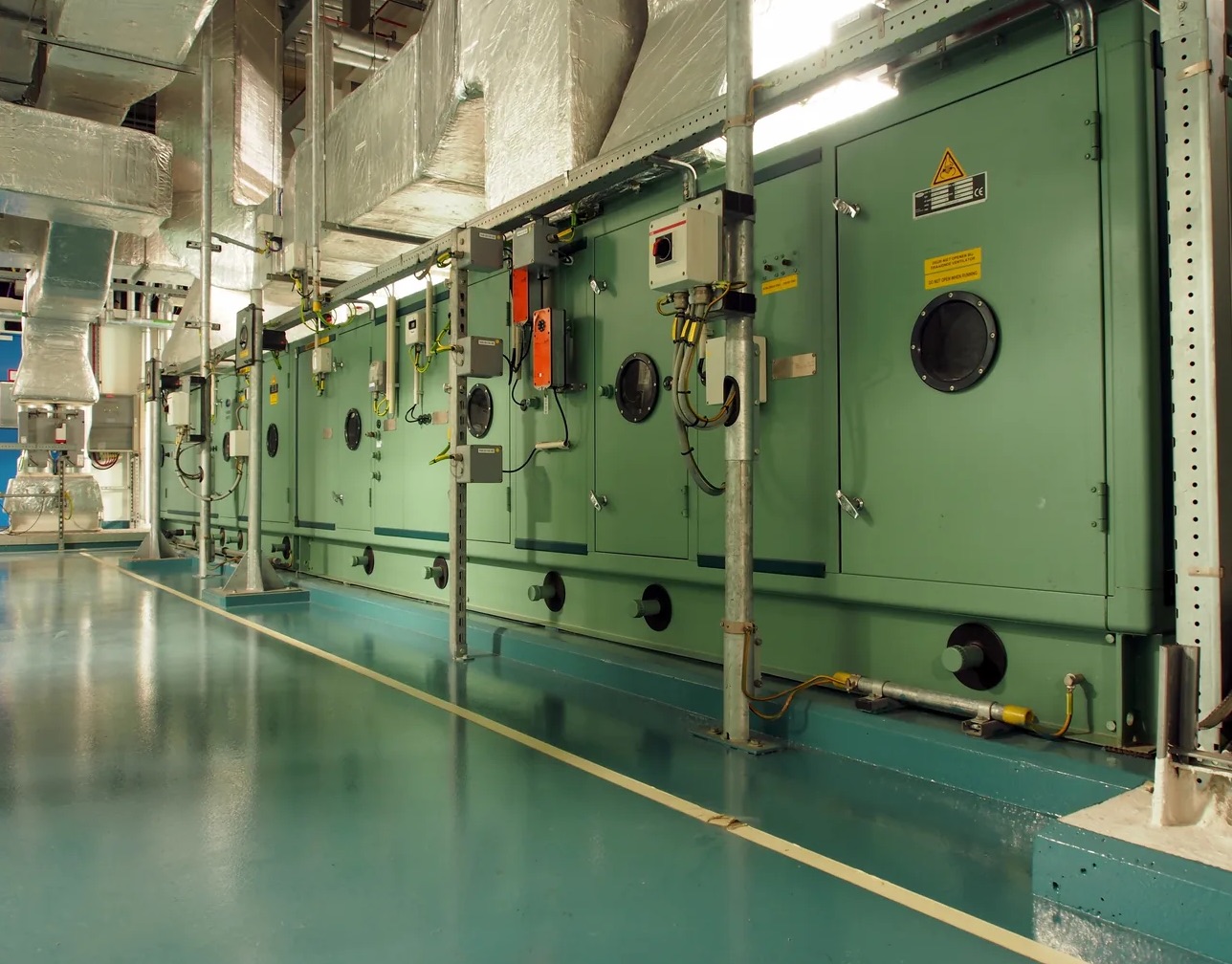
Your Local Solution for HVAC Fire Damage Cleanup in West Lansing
Air quality testing post-cleanup verifies that HVAC fire damage cleanup has effectively removed harmful particulates and gases. This testing confirms the indoor environment is safe for occupancy after a fire.
HVAC fire damage cleanup in West Lansing focuses on soot removal and odor elimination. Lingering smells can disrupt daily life. Local soot removal specialists include smoke odor neutralization to restore comfort.
HVAC Fire Damage Cleanup Services in West Lansing
Smoke Odor Neutralization
Smoke odor neutralization tackles persistent smells in ductwork. Deodorizing agents like oxidizing foggers alter odor molecules. This breaks down the smoky smell at its source for fresh air.
HVAC Fire Damage Cleanup
An HVAC system impacted by fire needs immediate attention to stop secondary damage. The specialists handle HVAC fire damage cleanup with procedures for these complex systems, dislodging and extracting particulate matter from sensitive equipment.
HVAC Soot
Soot accumulation inside your HVAC system after a fire can cause operational issues and circulate contaminants. The specialists perform a thorough removal of all fire-related debris from critical system parts.
Emergency HVAC System Shutdown
Emergency HVAC system shutdown is the first action after a fire. Running the system spreads soot and smoke to every room. A professional can safely secure the system at the breaker.
HVAC Filter Replacement
Fire smoke saturates filters with ash and residues. Cleaning is insufficient; they must be replaced. Fresh units protect equipment and improve air quality.
How to Know You Need HVAC Fire Damage Cleanup in West Lansing
Musty Smell Mixed With Smoke
A combination of smoky and musty odors can indicate mold growth fueled by moisture used during firefighting efforts in ducts.
Ash or Debris Blowing From Vents
Finding particulate matter or ash being discharged from your vents confirms the HVAC system is contaminated and needs attention.
Soot Buildup on Furnace or AC Coils
Visible soot accumulation on internal HVAC coils reduces efficiency and requires professional cleaning for fire damaged HVAC duct cleaning.
Uneven Heating or Cooling Post-Fire
Temperature inconsistencies in different rooms can be caused by blocked vents or registers from fire damage air quality issues.
How HVAC Fire Damage Cleanup Works in West Lansing
Step 1: Source Identification and Inspection
The inspection locates the main pathways of smoke intrusion into the ductwork. Understanding this flow is essential for planning an effective post fire HVAC cleaning strategy for the entire system.
Step 2: Dry Soot and Debris Extraction
The bulk of dry soot is vacuumed out using high-powered HEPA-filtered extraction units. This soot removal from air ducts is a dry process to avoid creating mud-like residues inside the ducts.
Step 3: Detailed Component Cleaning
Attention turns to individual components like the heat exchanger, drip pan, and accessible duct sections. This blower motor and coil cleaning step requires careful disassembly and manual cleaning by the pros.
Step 4: Final Air Scrubbing and Filtration
Air scrubbers with HEPA filters run to purify the air in the home. This final polish captures airborne particles released during cleaning, completing the air quality testing post-cleanup preparation phase.
Sources of Fire and Smoke Damage to HVAC Systems
Chemical Residues From Burning Materials
Modern furnishings and building materials release acidic, corrosive chemicals when burned, which coat and damage HVAC components.
Soot Backdraft During Firefighting
Firefighting activities can create pressure changes that force soot and smoke deep into wall cavities and the air duct system.
House Fire or Kitchen Fire
A primary structure fire forces massive amounts of soot, smoke, and chemical residues directly into the home's HVAC intake and ductwork.
Improper Use of HVAC After Fire
Running the heating or cooling system before cleanup spreads soot and odor throughout the entire home, worsening the contamination.
Home and Business HVAC Fire Damage Cleanup Serving West Lansing
Residential HVAC Fire Damage Cleanup
The goal for any home is to eliminate health hazards after a fire. Smoke odor neutralization and cleaning soot from vents are critical steps. The specialists use IICRC-standard methods for this work.
Commercial HVAC Fire Damage Cleanup
Restoring a business property involves addressing air quality concerns for liability and reopening. Comprehensive post fire HVAC cleaning and vent cleaning for smoke damage ensure the ventilation system no longer distributes harmful particulate.
Professional HVAC Fire Damage Cleanup or DIY Cleanup in West Lansing
If safe, visually inspect air vents for soot and take photos for insurance. Avoid running the HVAC system, as it spreads contamination. For cleaning and air quality testing, contact the specialists in West Lansing.
Understanding HVAC Fire Damage Cleanup Costs in West Lansing
The pros assess the severity of fire damaged HVAC duct cleaning needed, which directly affects labor hours and material usage for decontamination.
Emergency Service Needs
If emergency HVAC system shutdown and professional service are required, it can influence the project's initial mobilization and assessment phase.
Post-Cleanup Verification
Including professional air quality testing post-cleanup adds a step to confirm the effectiveness of the HVAC system restoration after fire.
Filter and Part Replacement
The number of HVAC filters needing replacement and any components damaged by heat or soot impact material costs.
Does Insurance Cover HVAC Fire Damage Cleanup?
For odor removal after fire in HVAC, the insurer evaluates policy language on debris removal. Pros document the necessity of smoke odor neutralization. Reimbursement decisions are made by the insurer.
Advantages of Hiring Soot Removal Specialists in West Lansing
Duct Sanitization Process
Post-fire duct sanitization goes beyond cleaning to address microbial concerns that can arise after smoke and fire exposure.
Thorough Vent and Register Cleaning
Focus on cleaning soot from vents ensures airflow pathways are clear and contaminants are removed from accessible surfaces.
Documentation for Homeowners
Detailed records of the damage and cleanup process are provided to assist you with any necessary insurance communication.
24/7 Emergency HVAC Fire Damage Cleanup in West Lansing
If you suspect smoke has entered your ductwork, fast action limits contamination. Contact the pros at (517) 300-2470 for emergency system shutdown and assessment. Assistance is available around the clock.
Call Now (517) 300-2470HVAC Fire Damage Cleanup Service Area Includes West Lansing
Other places served are listed below, each with its own page.
- HVAC Fire Damage Cleanup in Ann Arbor
- HVAC Fire Damage Cleanup in Auburn Hills
- HVAC Fire Damage Cleanup in Bath Township
- HVAC Fire Damage Cleanup in Battle Creek
- HVAC Fire Damage Cleanup in Bay City
- HVAC Fire Damage Cleanup in Delta Center
- HVAC Fire Damage Cleanup in Delta Township West
- HVAC Fire Damage Cleanup in DeWitt Township
Frequently Asked Questions About HVAC Fire Damage Cleanup
What steps are part of HVAC system restoration after fire?
Steps typically are emergency shutdown, detailed inspection, thorough cleaning of all components, replacement of damaged parts like filters, sanitization, and final air quality verification to ensure completeness.
How long does HVAC filter replacement after fire take?
Replacing filters is a quick task, but it is part of the full inspection and cleaning process. All system filters should be replaced as a first step in restoration.
What areas need vent and register cleaning after a fire?
Every supply and return vent and register in the home should be cleaned, as smoke and soot travel through the entire duct system during a fire event.
What does air quality testing post-cleanup measure?
It measures airborne particulate levels to objectively confirm the effectiveness of the HVAC fire damage cleanup, ensuring the indoor environment meets health and safety benchmarks.
How is odor removal after fire in HVAC achieved?
Specialized smoke odor neutralization techniques, such as sealing duct liners or using antimicrobial treatments and ozone, target odor molecules at their source within the HVAC system.