South Lansing, MI
Attic Water Damage Restoration in South Lansing, MIAttic Moisture Inspection & Attic Drying Services
Attic Water Damage Restoration in South Lansing runs from roof leak water removal and attic leak water cleanup to attic drying services.
Answered 24/7
Expert Attic Water Damage Restoration Serving South Lansing, MI
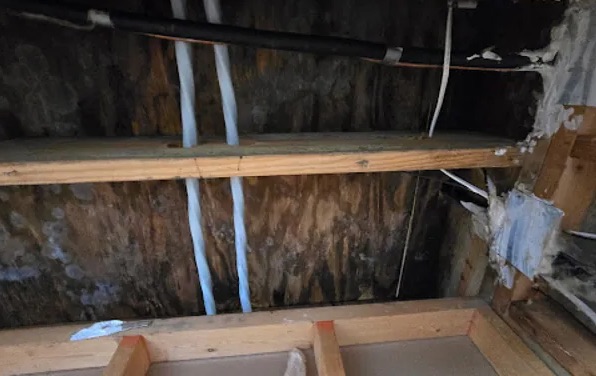
Attics hide water well. Insulation absorbs it, wood soaks it up, and nobody goes up there often. In South Lansing, the first sign is usually a ceiling stain, a musty smell upstairs or a drip during heavy rain.
Comprehensive Attic Water Damage Restoration for South Lansing
Attic Moisture Inspection
An inspection shows how far the water spread from the leak point, which decides what is dried in place and what is removed.
Attic Drying Services
Equipment is placed on boards or platforms in the attic so it can run safely without stressing the ceiling drywall.
Emergency Attic Water Extraction
Emergency extraction in an attic removes standing water from decking and drywall tops, and buckets or containment catch active drips.
Attic Mold Prevention
Poor ventilation keeps attics damp. Blocked soffit vents or a disconnected bath fan duct are pointed out so moisture does not return.
Roof Leak Water Removal
A roof leak often drips in one spot but spreads along rafters and decking. The pros follow the water path to find every wet area.
Signs of Attic Water Damage in South Lansing Homes
Crumbling Drywall Tape
Ceiling drywall tape that bubbles, cracks or peels usually means water is soaking the seams.
Sagging or Bowed Roof Decking
Roof decking that sags or bows between rafters may be soaked or starting to rot.
Wet or Sagging Insulation
Insulation that looks matted, dark or compressed, or sags between joists, has absorbed water.
Increased Humidity Upstairs
Upstairs rooms that feel clammy even with the AC on may have moisture coming from the attic.
How Attic Water Damage Restoration Works in South Lansing
Step 1: First Call and Inspection
The pros check the attic and ceiling, take photos and note where the water entered the attic.
Step 2: Bulk Water and Debris Removal
Standing water, wet insulation and fallen drywall are removed from the attic and room below.
Step 3: Drying and Monitoring
Readings are taken daily, and equipment is adjusted until every wet material is dry.
Step 4: Detailed Reporting for Insurance
A summary of the damage, the materials removed and the drying results is prepared for your claim.
Common Causes of Attic Leaks in South Lansing
Storm Damage From Wind or Hail
Wind and hail can tear shingles or puncture the roof, letting rain in during the storm.
Condensation From Poor Ventilation
Warm, moist air from the house condenses on cold roof decking when the attic is poorly vented.
Burst or Leaking Plumbing Pipes
Supply lines and water heaters in the attic can leak or burst directly onto the ceiling.
Failing Roof Valley or Flashing
Worn flashing around valleys, chimneys and skylights lets water run into the attic.
Attic Water Damage Restoration for Homes and Businesses in South Lansing, MI
Residential Attic Water Damage Restoration
In two-story homes, an attic leak can affect both upstairs ceilings and the walls below them. Each wet area is checked with a meter and dried.
Commercial Attic Water Damage Restoration
Flat-roof commercial buildings often have leaks that travel before dripping. The pros trace the water path to find every wet section above the ceiling.
Professional Attic Water Damage Restoration or DIY Repair?
Never step between attic joists, since the ceiling drywall will not hold your weight. If water is pooling up there, call (517) 300-2470 instead of trying to reach it yourself.
What Influences Attic Water Damage Restoration Expenses?
The cost of attic water damage restoration in South Lansing depends on how much of the attic got wet, whether insulation and ceiling drywall must come out, and how long drying takes.
Duration Before Response
A leak found right away costs less to fix than one that soaked the attic for weeks.
Required Drying Time
Dense wood framing can take several days to dry, adding equipment time.
Mold Prevention Measures
Antimicrobial treatment of decking and rafters that stayed wet is an added cost.
Does Insurance Cover Attic Water Damage Restoration?
Insurers often ask what caused the leak and how long it ran. Notes on the leak point and the condition of the roof help answer those questions.
Selecting Local Pros for Attic Water Damage Restoration in South Lansing, MI
Detailed Documentation
Photos, readings and drying logs are kept to support your insurance claim.
Mold Prevention Focus
Fast drying of wood framing is the main way to limit microbial growth after a leak.
Ceiling Damage Mitigation
Sagging ceiling drywall is drained and removed safely before it can fall.
24/7 Emergency Attic Water Damage Restoration in South Lansing
Water dripping from your ceiling in South Lansing? Put a bucket under it, move belongings and call (517) 300-2470. Help for attic leaks is available 24/7.
Call Now (517) 300-2470Local Attic Water Damage Restoration Coverage Area
Homes and businesses throughout South Lansing can get roof leak water removal and attic mold prevention as part of attic water damage restoration.
- Attic Water Damage Restoration in Ann Arbor
- Attic Water Damage Restoration in Auburn Hills
- Attic Water Damage Restoration in Bath
- Attic Water Damage Restoration in Bath Township
- Attic Water Damage Restoration in Battle Creek
- Attic Water Damage Restoration in Bay City
- Attic Water Damage Restoration in Charlotte
- Attic Water Damage Restoration in Delhi Township
Frequently Asked Attic Water Damage Restoration Questions
How quickly should I respond to an attic leak?
Right away. Water on the attic floor soaks into the ceiling drywall within hours and can make it sag or fall.
What equipment is used for attic water removal?
Wet vacs, air movers, dehumidifiers, moisture meters and thermal cameras, plus bags and HEPA vacuums for insulation removal.
Is attic mold prevention always needed after water damage?
Fast drying is always needed. Antimicrobial treatment is added when wood stayed wet long enough to need it.
Does a roof leak always cause attic mold growth?
No. Mold is more likely when wood and insulation stay wet for days, so drying is the main way to prevent it.
Can wet attic insulation be saved after a leak?
Lightly damp insulation sometimes dries, but soaked or matted insulation is usually removed and replaced after the attic is dry.