Holt Township, MI
Sewage Odor Removal in Holt Township, MIDrywall Sewage Odor Removal & Air Duct Sewage Odor Cleaning
Sewage Odor Removal specialists in Holt Township handle sewage backup odor removal, carpet sewage odor treatment, and air duct sewage odor cleaning.
Answered 24/7
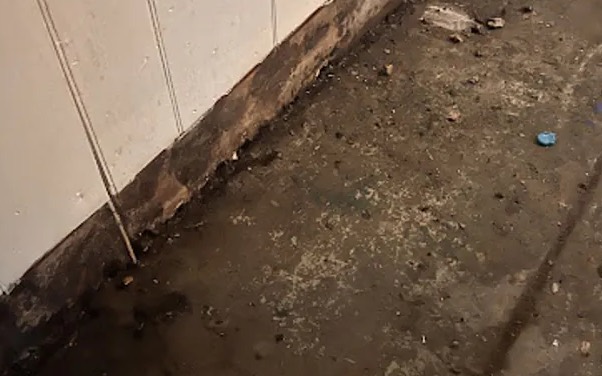
Professional Sewage Odor Removal in Holt Township, MI
Sewer line odor elimination matters in Holt Township to stop persistent sewer gas from infiltrating living spaces. Untreated odors can worsen, requiring comprehensive sewage damage restoration.
For the Holt Township area, sewage smell removal involves treating odors in carpets and HVAC systems. The experts offer sewage backup deodorization using IICRC-standard protocols. Early action helps minimize odor spread.
Sewage Odor Removal Methods Used in Holt Township
Drywall Sewage Odor Removal
Sewage odor removal from drywall usually means removal of the material. The pros carefully remove wet, contaminated panels. They treat the structure with oxidizing agents.
Air Duct Sewage Odor Cleaning
Cleaning sewage odors from air ducts requires a professional approach. The pros access the full system, cleaning supply and return vents. They use antimicrobial foggers to neutralize bacteria.
Sewer Line Odor Elimination
A broken sewer line can release gases indoors. The experts specialize in sewer line odor elimination by identifying the breach. They then clean and deodorize affected soil and materials.
Septic Tank Odor Remediation
Septic tank smells inside are a health concern. The experts in Holt Township use hydroxyl generators and ozone treatments to neutralize complex odor compounds, avoiding perfumed masking agents.
Crawl Space Sewage Deodorization
Sewage odors in a dark, damp crawl space are tackled by the experts. They use air scrubbers for filtration, remove contaminated materials, and treat the subfloor and piers.
Signs of a Sewage Odor Problem in Holt Township
Foul Smell in Specific Rooms
A concentrated sewage smell in one area, like a bathroom or basement, flags localized contamination for sewage damage restoration.
Unexplained Illness or Headaches
Respiratory issues or headaches among occupants can be linked to harmful bioaerosols from sewage, necessitating air purification after sewage.
Animal Activity or Insects Nearby
Increased pest activity can be attracted to sewage residues, a sign of biohazard conditions requiring biohazard odor cleanup.
Odor Worsens With Humidity
If the sewage smell intensifies on humid days, organic matter is likely present and releasing gases, needing sewage odor neutralization.
How Sewage Odor Removal Works in Holt Township
Step 1: Emergency Sewage Odor Containment
The first action is to isolate the affected zone to prevent cross-contamination and the spread of sewage smells to other areas of your property.
Step 2: Affected Material Removal and Disposal
Porous, irreparably contaminated materials like sewage-soaked drywall or carpet are removed and safely disposed of as part of the biohazard odor cleanup protocol.
Step 3: Deep Cleaning and Disinfecting
All remaining structural surfaces and contents undergo aggressive cleaning with EPA-registered disinfectants to eliminate pathogens and organic matter causing the stench.
Step 4: Sealing and Deodorizing Surfaces
After cleaning, sealing agents and long-term deodorizers are applied to lock in any residual odors and prevent future sewage smell removal issues.
Sources of Sewage Smells in Holt Township Homes
Crawl Space Sewage Pooling
Sewage leaking or flooding into a confined crawl space creates a saturated, anaerobic environment that emits powerful, trapped foul odors.
Improperly Vented Plumbing Stacks
Faulty or blocked plumbing vents prevent sewer gases from escaping outdoors, instead letting them build up inside your property's drains.
Dried Sewage Residue After Flooding
After a sewage flood recedes, organic residues left behind in porous materials decompose and produce persistent, harmful odors over time.
Contaminated Drywall and Insulation
Drywall and insulation wick sewage moisture upwards, spreading contamination and odor inside wall cavities unseen, a hidden health risk.
Sewage Odor Removal Services for Holt Township Properties
Residential Sewage Odor Removal
When a sewage smell invades a home, it affects comfort and safety. The specialists target odors absorbed into upholstery, curtains, and HVAC ducts, ensuring complete sewage stench removal.
Commercial Sewage Odor Removal
Restaurants and medical offices cannot afford lingering sewage odors. The experts provide professional service for sewer line odor elimination. They implement rigorous odor control to meet health standards.
Sewage Odor Removal vs. DIY: When to Call Odor Remediation Experts
After a small spill, wearing gloves, remove solid waste and apply disinfectant. Ventilate with fans. Do not clean large-scale backups, as this is a biohazard cleanup situation.
What Influences Sewage Odor Removal Cost in Holt Township?
The investment for professional odor removal after a sewage backup is shaped by the required services. Intensive biohazard odor cleanup and air duct cleaning add to the scope compared to a simple surface treatment.
Contaminated Materials
Porous materials like drywall and carpet that absorb sewage often require removal, adding disposal and replacement costs to the odor elimination process.
Deodorization Method
The selection of treatment, from surface cleaning to thermal fogging or ozone treatment, is based on odor severity and affects pricing.
Biohazard Level
Sewage backup odor removal involving Category 3 blackwater mandates strict safety measures and specialized cleaning agents, impacting the service cost.
Does Insurance Cover Sewage Odor Removal?
Coverage decisions rest with the insurer. Gradual sewage issues are often excluded. IICRC-standard methods and clear documentation are used. Homeowners should review their policy and confirm coverage directly.
Benefits of Local Experts for Sewage Odor Removal in Holt Township
Source Identification Expertise
Effective sewage smell removal begins with accurately locating the origin, whether from a sewer line, septic tank, or hidden backup.
Documentation for Homeowners
Detailed reports and photos are provided, documenting the damage and the steps taken for sewage odor removal, which can be useful for records.
Biohazard Safety Procedures
Sewage backup odor removal involves strict safety measures, including PPE and proper disposal, to protect occupants and workers from hazardous contaminants.
Round-the-Clock Sewage Odor Removal in Holt Township, MI
A sewage backup creates an urgent biohazard situation. For 24/7 emergency sewage odor removal, call the experts at (517) 300-2470. Prompt action limits exposure to harmful bacteria.
Call Now (517) 300-2470Sewage Odor Removal in Holt Township and Other Areas Served
The places below are also served, and each one has its own page.
Common Questions on Sewage Odor Removal in Holt Township
What does septic tank odor remediation involve?
Septic odor remediation requires diagnosing the cause, like a full tank or cracked tank. The process includes pumping the tank, repairing damage, and deodorizing the surrounding soil as needed.
How long does sewage odor neutralization typically take?
The timeline for sewage odor neutralization varies with damage extent. A localized spill may take a day, while extensive contamination requiring drywall removal can take several days.
What is the process for crawl space sewage deodorization?
Crawl space sewage deodorization involves removing contaminated insulation and debris, cleaning and disinfecting all surfaces, and installing new vapor barriers. Industrial fans and dehumidifiers then dry the space completely to prevent mold and residual odors.
What equipment is used for professional sewage stench removal?
Equipment for sewage stench removal includes air scrubbers with HEPA filtration, ozone generators or hydroxyl machines for odor neutralization, thermal foggers, industrial extractors, and moisture meters to ensure complete drying and decontamination.
Are the chemicals used in biohazard odor cleanup safe?
The experts use EPA-registered antimicrobial agents for biohazard odor cleanup. These are applied per IICRC guidelines to neutralize pathogens safely after proper drying and ventilation.