Holt Township, MI
Black Water Extraction (Category 3) in Holt Township, MIBlack Water Drying & Flooded Basement Sewage Cleanup
Black Water Extraction (Category 3) in Holt Township includes septic tank backup cleanup, storm sewer flood water removal and black water drying.
Answered 24/7
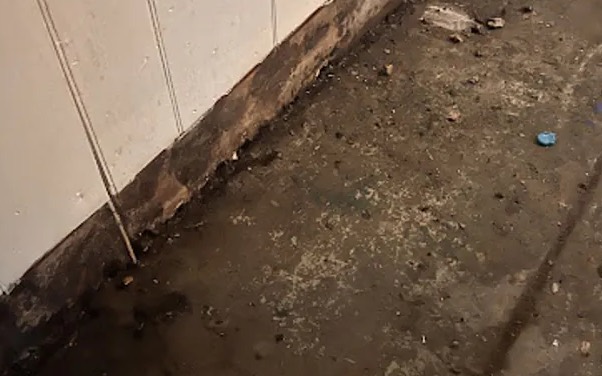
Professional Black Water Extraction (Category 3) in Holt Township, MI
A sewer backup in Holt Township is not a mop-and-bucket job. The water can carry bacteria and viruses, and anything porous it touches, such as carpet, pad and drywall, usually cannot be made safe again.
Complete Black Water Extraction (Category 3) Protocols in Holt Township
Black Water Drying
Drying comes last in black water work. Drying before contaminated materials are removed would leave contamination in place.
Flooded Basement Sewage Cleanup
Sewage or floodwater in a basement is pumped out, contaminated drywall, carpet and insulation are removed, and concrete and framing are disinfected.
Septic Tank Backup Cleanup
Septic water carries the same risks as sewage, so it gets the same protective gear, removal and disinfection steps.
Storm Sewer Flood Water Removal
After storm sewer flooding, mud and debris are cleared before floors and walls are cleaned, disinfected and dried.
Toilet Overflow Water Removal
Rugs, bath mats and carpet soaked by toilet overflow are usually discarded. Tile and hard surfaces are cleaned and disinfected.
When to Call for Black Water Extraction (Category 3) in Holt Township
Persistent Dampness After Flood
Areas that stay damp and smell after a flood still hold contaminated water in floors or walls.
Septic Tank Backup in Yard
Soggy ground, odors or sewage above the septic tank or drain field point to a septic failure.
Foul Odor From Floor Drain
A sewage smell from a floor drain often means water is backing up or the trap has dried out.
Wet Carpet With Visible Contamination
Carpet with brown staining, debris or a sewage smell has absorbed contaminated water and must be removed.
How Black Water Extraction (Category 3) Works in Holt Township
Step 1: Emergency Hazard Assessment
Electrical hazards and the source of the contaminated water are checked before anyone enters the area.
Step 2: Contaminated Water Extraction
Workers in protective gear extract sewage or floodwater and remove solids and debris.
Step 3: Sanitization Process
Porous materials such as carpet and drywall are removed, and hard surfaces are cleaned and disinfected.
Step 4: Structural Drying Verification
Air movers and dehumidifiers dry the structure, and readings confirm when it is dry.
Common Causes of Category 3 Water Damage in Holt Township
Sump Pump Failure
A sump pump failure during a storm can let contaminated groundwater fill the basement.
Severe Storm or Flooding
Heavy storms and flooding push contaminated surface water into basements and ground floors.
Improper Waste Disposal
Flushing wipes, grease and other items that do not break down leads to clogs and backups.
Sanitary Sewer Overflow
An overloaded municipal sewer can back up into homes during heavy rain.
Black Water Extraction (Category 3) for All Property Types in Holt Township
Residential Black Water Extraction (Category 3)
Homeowners need to know what can be saved. Hard furniture and some belongings can be cleaned, while mattresses, upholstery and carpet soaked by sewage are usually discarded.
Commercial Black Water Extraction (Category 3)
Property managers in multi-unit buildings often deal with backups affecting several units. Each unit is cleaned and documented separately.
The Dangers of DIY Black Water Extraction (Category 3) and the Pros Alternative
Do not use a household vacuum or shop vac on sewage without proper protection, and never run fans on contaminated materials. Call (517) 300-2470 for safe extraction.
Evaluating Black Water Extraction (Category 3) Expenses for Holt Township Properties
Sewer line or septic repairs are separate from cleanup. In Holt Township, both are usually needed to prevent another backup.
Documentation Needs
Detailed documentation for insurance adds some time to the job but supports the claim.
Type of Materials Affected
Carpet, drywall and insulation touched by sewage must be removed, which adds labor and disposal.
Required Drying Time
Drying after cleanup can take several days, and each day adds equipment time.
Does Insurance Cover Black Water Extraction (Category 3)?
Outside floodwater is usually covered only by flood insurance, not a standard homeowner policy. Ask your agent which policy applies.
The Value of Local Pros for Black Water Extraction (Category 3) in Holt Township, MI
Disinfection Focus
Every surface the water touched is cleaned and disinfected, not just the visible floor.
Industry Standards
Cleanup follows industry standards for contaminated water, including removal of porous materials.
24/7 Emergency Response
Help is available day or night, because sewage backups cannot wait until business hours.
24/7 Emergency Black Water Extraction (Category 3) in Holt Township
Sewage backing up in Holt Township? Stop running water in the house, keep everyone away from the area and call (517) 300-2470. Help is available 24/7.
Call Now (517) 300-2470Black Water Extraction (Category 3) in Holt Township and Other Areas Served
Help with black water extraction (category 3) is available across Holt Township, including sewage backup water extraction and toilet overflow water removal.
- Black Water Extraction (Category 3) in Ann Arbor
- Black Water Extraction (Category 3) in Auburn Hills
- Black Water Extraction (Category 3) in Bath Township
- Black Water Extraction (Category 3) in Battle Creek
- Black Water Extraction (Category 3) in Bay City
- Black Water Extraction (Category 3) in Delta Center
- Black Water Extraction (Category 3) in Delta Township West
- Black Water Extraction (Category 3) in DeWitt Township
Common Black Water Extraction (Category 3) Questions Answered
What is involved in septic tank backup cleanup?
Extracting wastewater, removing contaminated materials, disinfecting surfaces and drying, while noting the septic problem for a contractor.
What areas need black water sanitization?
Every surface the water touched, including floors, lower walls, framing, cabinets and anything kept from the affected rooms.
Why is quick action critical for black water?
Contamination spreads into more materials over time, which increases what must be removed and the health risk.
Does flood water from outside become black water?
Yes. Outside floodwater picks up sewage, chemicals and soil, so it is treated as Category 3.
What safety measures are used during extraction?
Protective gear, plastic containment, controlled air pressure and air scrubbers to keep contamination in the work area.