Holt Township, MI
Roof Leak Water Removal in Holt Township, MIAttic Water Extraction & Wet Insulation Removal
When rain gets into a Holt Township attic, roof leak water removal means emergency roof tarping, attic water extraction and structural drying services.
Answered 24/7
Help With Roof Leak Water Damage in Holt Township
A roof leak rarely stays in one spot. Rain soaks the decking, runs along rafters, pools on the ceiling drywall and can drip into walls before a stain shows in the room below.
In Holt Township, a roof leak that runs overnight can soak the attic, the ceiling and the carpet below. Local restoration pros dry each level and keep a record of readings and photos for the claim.
Roof Leak Water Removal Work in Holt Township
Attic Water Extraction
In Holt Township homes with low attics, extraction is done with compact equipment that fits between joists and over ceiling drywall without stepping through it.
Wet Insulation Removal
Soaked batts and blown insulation hold water against the ceiling and framing for weeks. The pros bag and remove it so the attic can dry.
Wall Cavity Drying
Water that follows a top plate or a pipe chase can soak insulation inside a wall. Moisture meters find it, and air is pushed into the cavity to dry it.
Wet Contents Protection
Wet contents are sorted into items that can be dried and items that cannot. A photo list of each is kept for the insurance claim.
Leak Source Identification
Photos of the entry point, the wet decking and the path of the water give the roofer and your insurer a clear record of the leak.
How to Tell Water Is Coming Through the Roof
Dark Spots on Attic Wood
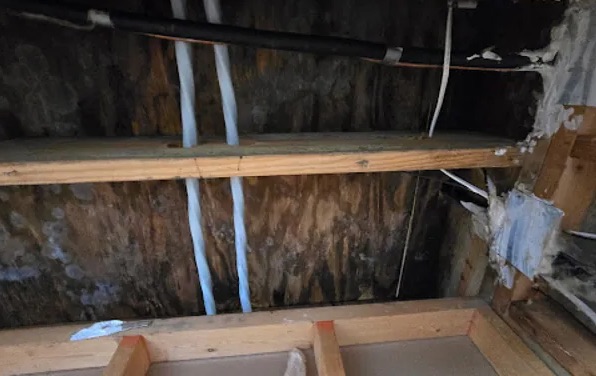
Dark streaks or spots on rafters and roof decking show where water has been running or sitting for a while.
Dripping From a Light Fixture
Water dripping from a light or ceiling fan means it has pooled above the ceiling. Turn off that circuit and keep people clear.
Wet or Flattened Insulation
Insulation that is matted, stained or damp to the touch in the attic means rain is getting past the roof deck.
Water Stains on the Ceiling
Brown or yellow rings on the ceiling, often growing after each rain, mean water is reaching the drywall from above.
How Roof Leak Water Removal Works in Holt Township
Step 1: Safety Check
Power to wet ceiling fixtures is shut off and sagging areas are marked so no one walks under them during the work.
Step 2: Roof Tarp and Extraction
The roof is tarped if rain is still possible, then water is removed from the attic, ceiling cavities and floors.
Step 3: Drying Setup
Dehumidifiers and air movers are placed in the attic and the rooms below so both levels dry at the same time.
Step 4: Final Readings
When the wood and drywall read dry, equipment is removed and the roofer and drywall repairs can be scheduled.
Causes of Ceiling Water Damage in Holt Township
Ice Dam Formation
In freezing weather, ice at the roof edge traps melting snow, and the water backs up under the shingles into the attic.
Storm Debris and Hail
Falling branches and hail can crack shingles or puncture the deck, opening a direct path for rain into the attic.
Skylight Seals
Skylight gaskets and curb flashing wear out, and water runs into the shaft and down the drywall around the opening.
Worn Flashing
Flashing around chimneys, skylights and wall joints can crack, rust or pull loose, and water runs in along the gap.
Home and Business Roof Leak Cleanup in Holt Township
Residential Roof Leak Water Removal
In the Holt Township area, a roof leak in a home usually means a wet attic, a stained bedroom or hallway ceiling and soaked insulation. The pros dry each layer and photograph the damage for your claim.
Commercial Roof Leak Water Removal
On commercial buildings with flat roofs, water can spread across a drop ceiling before it shows. The pros remove wet ceiling tiles, extract the water and dry the space around business hours.
DIY Steps and Their Limits After a Roof Leak in Holt Township
If water is near lights or outlets, turn off that circuit at the breaker. Do not stand on a wet floor to reach a fixture that is dripping.
What Drives Roof Leak Cleanup Cost in Holt Township
A single stain over one room costs far less to dry than a leak that soaked the attic for weeks. Tarping, insulation removal and drywall cuts each add to the total.
Emergency Tarping
If the roof needs a tarp before drying can start, the materials and labor for that step add to the bill.
Insulation Removal
Bagging and hauling soaked insulation takes labor, and the attic needs new insulation once the framing is dry.
Drying Time
Each extra day of air movers, dehumidifiers and moisture checks adds to the cost, so wet wood that dries slowly costs more.
Does Insurance Cover Roof Leak Water Removal?
Many homeowner policies cover sudden roof leaks caused by a storm or falling tree, but not leaks from wear and age. Your insurer decides what is covered.
Why Call Local Restoration Pros for Roof Leak Water Removal in Holt Township
One Job, Start to Finish
Tarping, extraction, insulation removal and drying happen in order, so each step is not left waiting on another company.
Drying to Measured Targets
Drying stops only when meters show the wood and drywall are dry, not when the surface looks dry.
Finding Hidden Water
Thermal cameras and moisture meters find wet insulation and wall cavities that are not visible from the room below.
Around-the-Clock Roof Leak Water Removal in Holt Township
Do not wait for a dry day to deal with a roof leak. Call (517) 300-2470 24/7 to stop the water and start drying the attic and ceilings.
Call Now (517) 300-2470Local Roof Leak Water Removal Coverage for Holt Township
Help with roof leak water removal is available across Holt Township, including emergency roof tarping and attic water extraction.
- Roof Leak Water Removal in Ann Arbor
- Roof Leak Water Removal in Auburn Hills
- Roof Leak Water Removal in Bath Township
- Roof Leak Water Removal in Battle Creek
- Roof Leak Water Removal in Bay City
- Roof Leak Water Removal in Delta Center
- Roof Leak Water Removal in Delta Township West
- Roof Leak Water Removal in DeWitt Township
Common Questions After a Roof Leak
Does every roof leak lead to mold?
No. Mold needs materials to stay wet for a day or more. When water is removed and the attic is dried promptly, mold usually does not take hold.
Why should rainwater be removed from the attic quickly?
Water in the attic soaks through the ceiling into the rooms below and keeps the framing wet. Removing it early limits drywall and insulation losses.
Is it safe to stay in a room with a wet ceiling?
Keep people out from under a ceiling that sags or drips. Turn off power to wet light fixtures until the ceiling has been checked.
Are old ceiling stains a sign of an active leak?
Not always. A dry stain may be from a past leak. A stain that is damp, growing or bulging means water is still getting in.
How is water removed from an attic?
Standing water is pulled out with wet vacuums and extractors, then soaked insulation is removed so the ceiling and framing can be dried.