Perry, MI · Shiawassee County
Ceiling Water Damage Restoration in Perry, MICeiling Water Stain Removal & Roof Leak Ceiling Water Removal
Ceiling Water Damage Restoration in Perry handles emergency ceiling water extraction, ceiling water stain removal, and ceiling mold prevention.
Answered 24/7
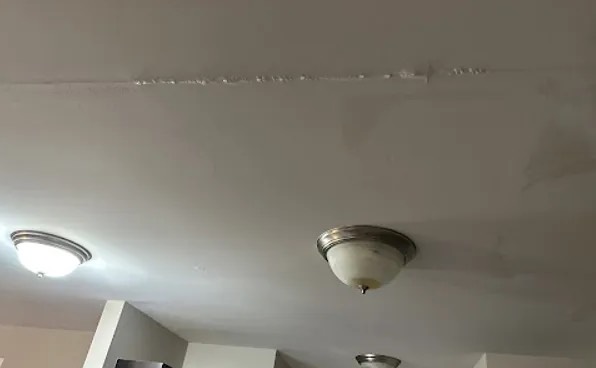
Local Ceiling Water Damage Restoration Solutions in Perry
In Perry, ceiling leaks often originate from roof failures around vents or flashing, or from plumbing issues like supply line leaks or drain pan overflows.
Ceiling water damage restoration for the Perry area focuses on halting water intrusion and initiating rapid drying. Local water removal pros handle roof leak ceiling water removal and ceiling leak water cleanup, serving this community and nearby locations like Laingsburg, Williamston and Bath Township.
Detailed Ceiling Water Damage Restoration Process in Perry
Ceiling Water Stain Removal
For persistent ceiling stains, professional removal techniques are most effective. In Perry, local pros assess the stain type and use appropriate chemical agents or sealants to eliminate the discoloration before final refinishing.
Roof Leak Ceiling Water Removal
A roof leak requires ceiling water removal to protect your home's interior. Water is extracted from insulation and cavities, then air movers and dehumidifiers start drying.
Ceiling Mold Prevention
The pros use professional-grade dehumidifiers and air scrubbers to dry the area completely, a key step for homeowners in Perry to avoid future issues.
Emergency Ceiling Water Extraction
The experts are available 24/7 in Perry to remove water using powerful truck-mounted or portable extractors. This fast action limits damage to your home's structure and finishes.
Ceiling Leak Water Cleanup
Ceiling leak cleanup involves extracting water from both the visible surface and the hidden spaces above. Moisture meters map the damp areas.
Ceiling Water Damage: Visible Signs
Sagging or Bubbling Drywall
A ceiling that sags or shows bubbling indicates trapped water. Wet ceiling drywall removal may be necessary to address the compromised area.
Soft Spots to the Touch
A ceiling that feels soft or spongy when pressed is waterlogged. Wet ceiling repair by the pros are urgently needed.
Increased Utility Bills
Unexplained spikes in your water bill can point to a hidden leak. A ceiling moisture inspection can help find the source of waste.
Persistent Dripping Sounds
Hearing constant dripping from above often means an active leak. Emergency ceiling water extraction can stop further ceiling water damage.
How Ceiling Water Damage Restoration Works in Perry
Step 1: First Call and Water Containment
A 24/7 response contains the water quickly. The pros in Perry set up containment barriers and begin extracting visible water.
Step 2: Detailed Moisture Mapping
No-touch moisture detection ceiling tools identify wet areas behind walls and above ceilings. This map guides all subsequent drying and removal efforts precisely.
Step 3: Aggressive Drying With Industrial Equipment
Industrial-grade air movers force evaporation, while dehumidifiers capture the airborne moisture. This aggressive approach is the core of professional ceiling drying services.
Step 4: Documentation for Insurance and Repair
Throughout the job, detailed logs of moisture readings and photos are kept.
Ceiling Water Damage: Frequent Causes
Poor Attic Ventilation
Inadequate attic ventilation traps heat and moisture against the roof deck. This condensation can drip onto insulation and ceiling drywall below.
HVAC Condensation Drainage Issues
A clogged condensate drain line from an attic air handler can overflow. This constant drip causes significant ceiling water damage over time.
Bathroom Vent Fan Exhaust
A bathroom fan that vents into the attic, not outside, deposits moist air. This promotes mold growth on ceiling materials and framing over time.
Failed Appliance Connections
A leaking washing machine, water heater, or ice maker line upstairs can fail. The water often travels along floor joists to damage the ceiling underneath.
Both Residential & Commercial Ceiling Water Damage Restoration
Residential Ceiling Water Damage Restoration
Residential ceiling water damage can weaken drywall and framing if left wet. The pros use moisture meters to map damage before the ceiling drying process.
Commercial Ceiling Water Damage Restoration
Ceiling mold cleanup and prevention are critical to pass health inspections and protect reputation. The pros use industrial-grade equipment for rapid drying and odor control in these sensitive environments.
Ceiling Water Damage Restoration vs. DIY: When to Call Water Restoration Pros
After a minor leak, a wet-dry vacuum can remove standing water if safe. Fans may help surface drying. For ceiling drying services that prevent hidden mold, the specialized equipment of the pros are required.
Getting Clarity on Ceiling Water Damage Restoration Expenses
Labor intensity for emergency ceiling water extraction and the required drying time with specialized equipment are primary cost factors in Perry. The need for attic access or structural drying above the ceiling adds to project scope.
Mold Prevention Needs
If moisture detection ceiling inspection finds elevated humidity, antimicrobial treatments and added drying for ceiling mold prevention become necessary cost components.
Emergency Service Timing
Emergency ceiling water extraction calls outside standard business hours may involve premium rates for after-hours work to halt worsening damage.
Ceiling Material Type
Drywall, plaster and textures like popcorn ceilings differ in material and labor costs.
Does Insurance Cover Ceiling Water Damage Restoration?
Many homeowner's policies cover sudden ceiling water damage from events like a burst pipe. The pros document all damage with photos and moisture readings for the claim. Coverage decisions belong to the insurer, so review policy details.
Benefits of Local Ceiling Local Experts
Controlled Demolition Approach
Precise wet ceiling drywall removal preserves undamaged materials and allows for targeted drying of wooden framing, reducing overall repair scope and cost.
Mold Prevention Focus
Applying EPA-registered antimicrobials during the ceiling drying services inhibits mold growth on ceiling surfaces and inside wall cavities where spores can thrive.
Thorough Water Extraction
Powerful truck-mounted or portable extractors remove bulk water from ceilings and insulation quickly, a critical first step in all water mitigation services.
Emergency Ceiling Water Damage Restoration Available Now
If water is dripping or pooling from overhead, act now. Get emergency help from the pros for ceiling drying services by calling (517) 300-2470 anytime.
Call Now (517) 300-2470Ceiling Water Damage Restoration Throughout the Perry Region
The places below are also served, and each one has its own page.
- Ceiling Water Damage Restoration in Laingsburg
- Ceiling Water Damage Restoration in Williamston
- Ceiling Water Damage Restoration in Haslett
- Ceiling Water Damage Restoration in Webberville
- Ceiling Water Damage Restoration in Charlotte
- Ceiling Water Damage Restoration in Saint Johns
- Ceiling Water Damage Restoration in Eaton Rapids
- Ceiling Water Damage Restoration in Portland
Frequently Asked Ceiling Water Damage Restoration Questions
Is ceiling moisture inspection needed after the drying equipment is removed?
Yes. A final moisture check confirms the framing and insulation are dry before repairs begin.
What tools are used for moisture detection ceiling assessment?
Non-invasive moisture meters measure moisture content in materials, while thermal imaging cameras visualize temperature differences that indicate hidden damp areas behind walls or above.
What is the goal of local water damage restoration for a ceiling?
The aim is to dry, clean and repair the ceiling while preventing mold in the cavity above.
Why is emergency water extraction important for a ceiling leak?
Rapid removal limits water weight that can cause drywall to sag or collapse, reduces absorption into insulation and framing, and shortens the overall ceiling drying services timeline.
How does the ceiling drying process prevent future odor issues?
Drying removes the moisture that bacteria and mold need to grow, which are the primary sources of musty odors following water damage in ceilings and wall cavities.