West Lansing, MI
Ceiling Mold Removal in West Lansing, MICeiling Mold Testing & Ceiling Mold Remediation
Ceiling Mold Removal involves ceiling mold testing, black mold ceiling removal, and ceiling mold remediation in West Lansing.
Answered 24/7
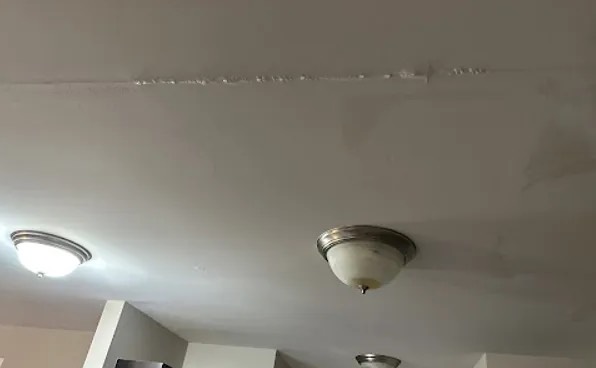
Reliable Ceiling Mold Removal in the West Lansing Area
Toxic mold removal in West Lansing homes demands professional care. Ceiling mold remediation protects occupants from respiratory irritants. Mold removal services should be comprehensive to ensure all spores are addressed.
For ceiling mold in West Lansing, local mold removal specialists provide mold removal. Services include ceiling mold testing and remediation. They serve the community with 24/7 availability.
Ceiling Mold Removal Services in West Lansing
Ceiling Mold Testing
Before and after ceiling mold removal, ceiling mold testing provides objective evidence. Local mold removal specialists document results homeowners can share with insurers. This adds clarity to the remediation process.
Ceiling Mold Remediation
Complete ceiling mold remediation addresses every aspect of fungal contamination. The specialists use specialized equipment like HEPA scrubbers to achieve IICRC-standard results. Thorough remediation restores indoor air quality for residents in the West Lansing area.
Ceiling Mold Prevention
Ceiling mold prevention strategies focus on controlling indoor humidity and fixing leaks. The specialists recommend improvements like better ventilation or roof maintenance after ceiling mold removal in West Lansing. These measures help keep ceilings dry.
Emergency Ceiling Mold Removal
Emergency ceiling mold removal prevents rapid spore dissemination. The specialists begin work to set up containment and begin removal. They follow IICRC-standard methods for urgent ceiling mold removal. This action safeguards homes in West Lansing.
Water Damage Ceiling Mold
Water damage ceiling mold remediation begins with structural drying. The specialists use dehumidifiers and air movers. They remove moldy materials. This dual approach creates a durable fix.
Indicators for Ceiling Mold Removal in West Lansing Homes
Health Symptoms That Improve Outdoors
If respiratory symptoms lessen when you leave your home, it suggests an indoor air quality issue like ceiling mold.
Dampness or Moisture on Ceiling Surface
Feeling dampness or seeing moisture beads on a ceiling surface is a direct warning sign of active mold conditions.
Peeling Paint or Bubbling Ceiling Texture
When paint peels or textured ceilings bubble, moisture is present behind the surface, creating an ideal environment for ceiling mold.
Visible Mold Growth in Attic Spaces
Mold found in the attic on rafters or insulation often spreads to the ceiling below, requiring comprehensive remediation.
How Ceiling Mold Removal Works in West Lansing
Step 1: Initial Consultation and Damage Documentation
The job starts with documenting the visible mold and water damage for insurance purposes. Photos and moisture readings create a record for your claim.
Step 2: Isolation of the Contaminated Ceiling Area
The work area is isolated with plastic sheeting to create a containment chamber. This is a standard practice in professional ceiling mold remediation.
Step 3: Mold Removal and Structural Cleaning
The specialists physically remove the growth and clean all structural surfaces. Non-porous materials are salvaged through deep cleaning and sanitizing.
Step 4: Dehumidification and Moisture Verification
Industrial dehumidifiers and fans dry the space completely. Moisture meters verify that all materials are dry to prevent immediate mold regrowth.
Frequent Causes of Mold on Ceilings in West Lansing
Plumbing Leaks in Upper Floor Walls
Leaking pipes inside walls or above ceilings release water slowly, often causing hidden black mold on ceiling growth.
Condensation From High Indoor Humidity
High humidity levels cause condensation to form on cooler ceiling surfaces, providing the dampness mold spores need.
Air Conditioner Condensate Drain Leaks
A clogged or disconnected AC drain line can cause water to overflow and leak through the ceiling, fostering mold.
Slow Leaks From Appliance Supply Lines
Dripping supply lines for washing machines or refrigerators on upper floors can saturate ceilings over a long period.
Domestic and Commercial Ceiling Mold Removal in West Lansing
Residential Ceiling Mold Removal
Homeowners face ceiling mold from attic condensation or slow leaks. The specialists in West Lansing perform thorough ceiling mold cleanup. They remove contaminated drywall and resolve the moisture issue to prevent recurrence.
Commercial Ceiling Mold Removal
Commercial properties like retail stores need thorough ceiling mold remediation to maintain a safe environment. Specialists handle water damage ceiling mold in large, open spaces with industrial-grade air scrubbers and drying equipment.
DIY vs. Professional Ceiling Mold Removal in West Lansing
Check the attic periodically for roof leak signs like stained insulation. Ensure soffit vents are not blocked. Finding attic mold is a job for the experts.
What Influences Ceiling Mold Removal Expense in West Lansing
Ceiling mold cleanup costs reflect labor for safe removal and materials for disposal. Job complexity, like working around light fixtures, can affect the overall price.
Emergency Service Timing
Responding to urgent ceiling mold situations outside of standard business hours may involve different rate structures for the professional service and work.
Local Disposal Regulations
Proper bagging and disposal of mold-contaminated materials according to local guidelines incur specific fees that are part of the service cost.
Type of Mold Present
Identifying black mold or other toxic varieties necessitates stricter safety protocols and specialized disposal methods, which can increase the overall project cost.
Does Insurance Cover Ceiling Mold Removal?
Coverage for ceiling mold removal depends on the homeowner's insurance policy and the origin of the moisture. Property owners should confirm coverage details directly with their insurer before remediation begins.
Reasons to Select Local Specialists for Ceiling Mold Removal in West Lansing
Post-Remediation Verification Options
Ceiling mold testing after the work provides a clearance check to confirm that mold levels have returned to a normal, safe range.
Moisture Source Identification
Addressing the root cause of water damage ceiling mold is a priority to prevent the issue from recurring after the cleanup is complete.
Ceiling Mold Prevention Guidance
After removal, insights on controlling indoor humidity and ventilation can be offered to help discourage future mold growth on ceilings.
24/7 Emergency Ceiling Mold Removal in West Lansing
Suspected toxic mold in your ceiling requires an urgent professional assessment. Do not disturb the area. For emergency ceiling mold removal services, you can initiate contact by dialing (517) 300-2470.
Call Now (517) 300-2470Ceiling Mold Removal Service Area Including West Lansing, MI
Each place listed below has its own page with local details.
Ceiling Mold Removal Common Questions Answered
How quickly should I act after discovering ceiling mold?
Prompt action is recommended to prevent further spread and potential structural damage. For significant growth, contact the specialists for an assessment without delay.
Can I remove ceiling mold myself with bleach?
Bleach is not recommended for porous surfaces like drywall as it only bleaches the surface and does not kill roots; improper DIY can worsen spore dispersal.
What documentation do mold removal specialists provide?
Professionals typically document the job with before-and-after photos, moisture reading logs, and details of the work performed, which you can use for your personal records or insurance.
How does ceiling mold remediation differ from simple cleaning?
Remediation is a comprehensive process that addresses the root cause, contains the area to prevent cross-contamination, safely removes the mold, and cleans the air, unlike surface wiping alone.
What happens during a ceiling mold inspection?
An inspector visually assesses the growth, may use moisture meters to find dampness, and could recommend air or surface sampling to identify the mold type and spore concentration.