Farmington Hills, MI · Oakland County
Attic Water Damage Restoration in Farmington Hills, MIWet Attic Insulation Removal & Roof Leak Water Removal
Attic Water Damage Restoration in Farmington Hills runs from roof leak water removal and attic leak water cleanup to attic drying services.
Answered 24/7
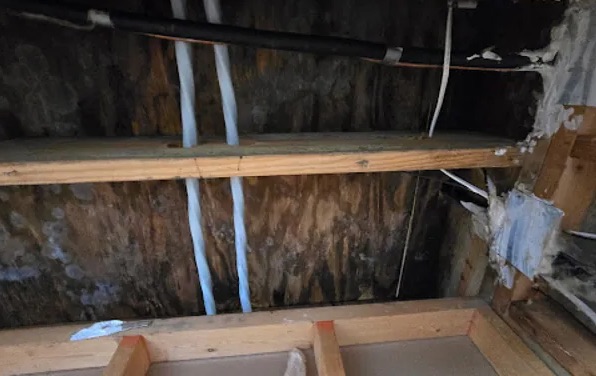
Professional Attic Water Damage Restoration in Farmington Hills, MI
In Farmington Hills, attics get hot in summer and damp in cooler months. That cycle matters after a leak: heat can speed drying, but poor ventilation can trap moisture and keep wood damp.
Homes in Farmington Hills and nearby Novi, Southfield and Pontiac see attic leaks from roof damage, AC drain pans in the attic and bathroom vent ducts. Help with attic water damage restoration covers water removal, insulation removal and drying of the attic and the ceiling below.
Attic Water Damage Restoration Services in Farmington Hills
Wet Attic Insulation Removal
Wet fiberglass batts lose their insulating value and hold water against the ceiling. Soaked sections are bagged and removed so the area underneath can dry.
Roof Leak Water Removal
A tarp can be placed over the damaged roof section to stop more rain from getting in while drying begins below.
Ceiling Water Damage Cleanup
Small ceiling stains can often be dried in place and sealed. Sagging, soft or crumbling drywall is replaced.
Attic Mold Prevention
Poor ventilation keeps attics damp. Blocked soffit vents or a disconnected bath fan duct are pointed out so moisture does not return.
Attic Moisture Inspection
Moisture meters and thermal cameras check decking, rafters, insulation and the ceiling below to find every wet area.
Indicators for Emergency Attic Water Removal
Musty Odors in Home
A musty or damp smell on the upper floor can point to wet insulation or wood in the attic.
Dripping Sounds From Ceiling
Dripping or tapping sounds above the ceiling, especially during rain, mean water is getting in.
Peeling Paint or Wallpaper
Paint that bubbles or peels on upstairs ceilings and walls often has water behind it.
Sagging or Bowed Roof Decking
Roof decking that sags or bows between rafters may be soaked or starting to rot.
How Attic Water Damage Restoration Works in Farmington Hills
Step 1: Source Stop and Water Extraction
A tarp is placed over roof damage or the pipe is shut off, and water in the attic is removed.
Step 2: Removal of Damaged Materials
Ruined insulation and sagging ceiling drywall are removed to stop further damage and open the area to air.
Step 3: Attic Drying
Dehumidifiers and air movers run until wood framing and decking return to normal moisture levels.
Step 4: Cleaning and Odor Removal
Debris is cleared, dust is cleaned from the room below, and musty odors are addressed.
What Causes Attic Water Damage in Farmington Hills?
Roof Leaks and Damaged Shingles
Missing, cracked or lifted shingles let rain reach the roof deck and drip into the attic.
Improperly Sealed Roof Penetrations
Gaps around vents, pipes and antennas that pass through the roof let water in when seals fail.
Attic Appliance Leaks
AC air handlers in the attic overflow when the condensate line clogs or the pan cracks.
Clogged or Damaged Gutters
Clogged gutters overflow at the roof edge, pushing water under shingles and into the soffits.
Attic Water Damage Restoration for Homes and Businesses in Farmington Hills, MI
Residential Attic Water Damage Restoration
Homeowners often store boxes and holiday items in the attic. Wet belongings are moved out and dried or discarded before work on the insulation and framing starts.
Commercial Attic Water Damage Restoration
Offices and stores with roof leaks need the area below protected during work. Drying is planned around business hours where possible to keep the space open.
When Attic Water Removal Requires Local Pros
If a ceiling is bulging with water, do not stand under it. Place a bucket nearby, keep people away and call local attic water damage pros to drain and remove it safely.
Cost Considerations for Attic Water Damage Restoration Work
In Farmington Hills, insulation removal and ceiling repair often make up a large share of the bill, along with drying equipment days in the attic.
Mold Prevention Measures
Antimicrobial treatment of decking and rafters that stayed wet is an added cost.
Ceiling Repair Needs
Replacing, taping and painting ceiling drywall after drying adds to the total.
Type of Water Involved
Clean rainwater is simpler to handle than water from a drain or a contaminated source.
Does Insurance Cover Attic Water Damage Restoration?
Insurers often ask what caused the leak and how long it ran. Notes on the leak point and the condition of the roof help answer those questions.
Selecting Local Pros for Attic Water Damage Restoration in Farmington Hills, MI
Industry Drying Standards
Drying follows industry water damage standards, with readings taken at each visit.
Advanced Moisture Detection
Moisture meters and thermal cameras find wet insulation, wood and drywall that look dry.
Wet Insulation Handling
Wet insulation is bagged and removed carefully, keeping debris out of the living space.
Round-the-Clock Attic Water Damage Restoration in Farmington Hills
Every day insulation stays wet, more ceiling and decking are at risk. Call (517) 300-2470 for attic water damage restoration in Farmington Hills as soon as you see a stain.
Call Now (517) 300-2470Local Attic Water Damage Restoration Coverage Area
Other places served are listed below, each with its own page.
- Attic Water Damage Restoration in Novi
- Attic Water Damage Restoration in Southfield
- Attic Water Damage Restoration in Pontiac
- Attic Water Damage Restoration in Royal Oak
- Attic Water Damage Restoration in Troy
- Attic Water Damage Restoration in Kalamazoo
- Attic Water Damage Restoration in Midland
- Attic Water Damage Restoration in Mount Pleasant
Frequently Asked Attic Water Damage Restoration Questions
What causes attic leaks besides storms?
Worn flashing, clogged gutters, attic AC overflows, plumbing leaks and bathroom fans venting into the attic.
Can wet attic insulation be saved after a leak?
Lightly damp insulation sometimes dries, but soaked or matted insulation is usually removed and replaced after the attic is dry.
Can attic water damage affect indoor air?
Wet insulation and wood can cause musty odors that reach the living space, so drying and removing soaked materials matters.
Is attic mold prevention always needed after water damage?
Fast drying is always needed. Antimicrobial treatment is added when wood stayed wet long enough to need it.
How do I know the attic is completely dry?
Moisture readings on decking, rafters and the ceiling are compared to unaffected dry areas until they match.