Haslett, MI · Ingham County
AC Fire Restoration in Haslett, MIEmergency AC Fire Restoration & Post-Fire AC System Sanitization
AC Fire Restoration for Haslett involves AC unit fire damage cleanup, fire damaged ductwork cleaning, and AC smoke odor removal.
Answered 24/7
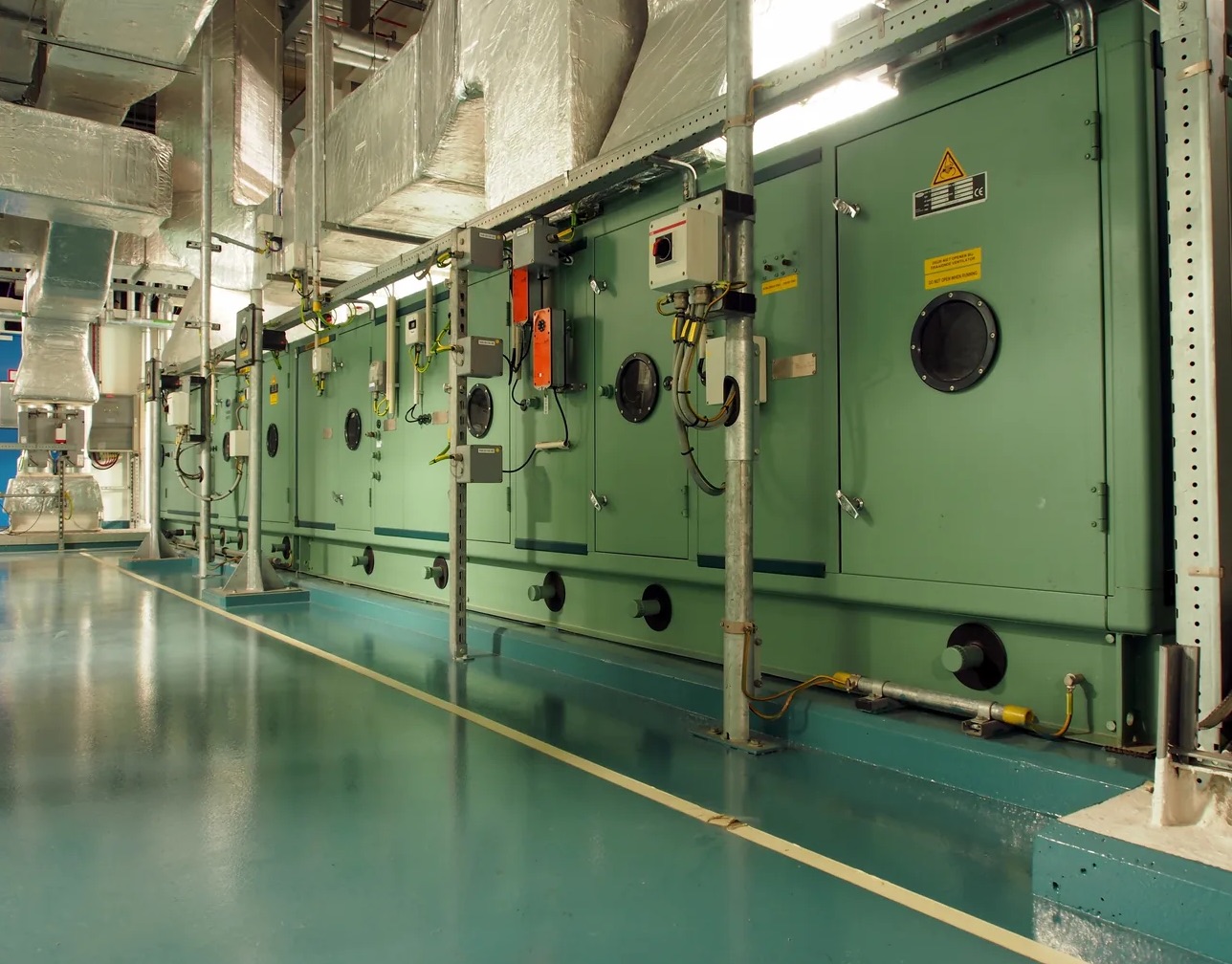
Your Local Source for AC Fire Restoration in Haslett
AC fire damage in Haslett can spread soot and corrosive residues through your ductwork, compromising indoor air quality and system efficiency. Local soot damage pros remove smoke residue from each HVAC component.
AC fire restoration near Haslett addresses both visible soot and hidden smoke residues that travel through ducts. The pros clean fire-damaged ductwork and check the system.
AC Fire Restoration Solutions for Haslett
Emergency AC Fire Restoration
For AC systems, this may involve temporary sealing of duct openings or shutting down power to prevent soot from being distributed or electrical shorts from occurring.
Post-Fire AC System Sanitization
Sanitizing is the last step before the system restarts, so clean air reaches the rooms again.
Fire Damaged Ductwork Cleaning
The cleaning process for fire damaged ductwork in Haslett focuses on both sheet metal and flexible ducting. Residual soot can irritate airways and wear out HVAC parts.
AC Smoke Odor Removal
Professionals often use thermal fogging or ozone treatment to neutralize odor molecules trapped deep within insulation, plastics, and other porous materials of the unit.
Air Conditioner Soot Removal
For residents in Haslett, professional AC soot and ash removal is the first defense against permanent staining and circuit board failure.
Warning Signs You Need AC Fire Restoration
AC System Tripping Circuit Breaker
Frequent breaker trips after a fire suggest possible electrical shorts or damage within the air conditioner's components.
AC Unit Making Unusual Noises
Scraping, grinding, or squealing from your AC unit post-fire could signal internal damage from heat or debris.
Reduced Airflow From AC Vents
A significant drop in cooling airflow can mean fire-damaged ductwork or debris blockage inside the air conditioner system.
Visible Soot Inside AC Unit
Seeing soot accumulation on the indoor coil or blower fan is a clear indicator of AC fire damage that needs cleanup.
How AC Fire Restoration Works in Haslett
Step 1: 24/7 Emergency Response Call
The pros usually move to stop soot from spreading further in the building.
Step 2: AC Unit Fire Damage Cleanup
The focus turns to the air conditioner itself, with careful disassembly and cleaning of internal parts affected by heat, smoke, and soot damage.
Step 3: Odor Neutralization Treatment
Odor treatments such as thermal fogging or ozone neutralize smoke molecules in the system.
Step 4: Post-Restoration System Validation
A final check confirms the system is clean, has no smoke smell and runs normally through a full cycle.
Origins of AC Fire Damage in Haslett
Electrical Short in AC Unit
Faulty wiring, overloaded circuits, or damaged components within the air conditioner itself can ignite an internal electrical fire.
Lightning Strike to HVAC System
A direct or nearby lightning strike can cause catastrophic electrical damage, potentially igniting components within the air conditioning equipment.
Faulty Electrical Panel Wiring
Problems in the home's main electrical panel can cause surges or shorts that damage the sensitive circuitry of the air conditioner.
Kitchen Grease Fire Spread
Grease fires can quickly spread smoke and soot into kitchen vents, which then draws contamination into the central HVAC system.
Home and Business AC Fire Restoration in Haslett
Residential AC Fire Restoration
In a house, the electrical assessment comes first. The pros check wiring, capacitors, and controls before any cleaning or restoration work begins.
Commercial AC Fire Restoration
A commercial AC fire restoration project requires coordinating with facility managers. Airflow to occupied areas is restored first, and repairs meet safety codes.
The Risks of DIY AC Fire Restoration in Haslett
Check your circuit breaker to see if the AC's breaker has tripped after a fire. Cease DIY efforts and schedule an AC electrical damage assessment with the pros.
Understanding AC Fire Restoration Costs in Haslett
The cost for fire damage restoration on your air conditioner in Michigan is influenced by the required safety assessments. An AC electrical damage assessment must precede any cleaning, affecting the overall project scope.
Smoke Odor Penetration
Persistent smoke smells may need extra deodorizing passes, which adds time and equipment to the job.
System Size and Type
The capacity and model of your air conditioner and HVAC ductwork determine the scale of the fire damage cleanup effort required.
Sanitization Requirements
Post-fire AC system sanitization may involve specialized antimicrobial treatments, adding a step to the standard cleanup.
Does Insurance Cover AC Fire Restoration?
Whether emergency AC fire restoration is covered involves your policy's language about sudden and accidental damage. The pros focus on proper documentation of the soot and smoke damage cleanup for your claim file.
Why Choose Local Soot Damage Pros for AC Fire Restoration in Haslett
Containment of Affected Areas
Containment practices during the AC fire restoration process help limit the spread of soot to clean areas.
Focused Soot and Residue Removal
The process targets stubborn soot removal from AC coils and components to help restore system function.
24/7 Emergency Response
Help with emergency AC fire restoration is available to help secure your property and begin mitigation.
24/7 Emergency AC Fire Restoration Response in Haslett
After a fire, quick AC cleanup protects air quality and the system itself. Get assistance from the specialists by dialing (517) 300-2470 for service.
Call Now (517) 300-2470Local AC Fire Restoration Areas Including Haslett
Other places served are listed below, each with its own page.
Common AC Fire Restoration Questions Answered
How is soot removal from AC units performed?
Soot removal uses cleaners made for HVAC parts like coils and blowers, so metal and fins are not damaged.
What happens during HVAC smoke residue removal?
Residue removal involves cleaning all accessible interior surfaces of the air handler and ducts with tools and solutions designed to dissolve smoke films.
Why document damage for AC fire restoration?
Detailed documentation with photos and notes helps create a record for your insurance claim, showing the pre-cleaning condition and scope of work needed.
How quickly should AC fire damage cleanup begin?
Cleanup should begin as soon as it is safe to do so, as soot can become more difficult to remove over time and may corrode metals.
What is post-fire AC system sanitization?
Post-fire AC system sanitization involves applying EPA-registered antimicrobial treatments after cleaning. It also addresses mold in damp, fire-affected ducts.