Haslett Heights, MI
Wall Mold Removal in Haslett Heights, MIMold Damaged Paint Removal & Wallpaper Mold Remediation
Wall Mold Removal experts in Haslett Heights provide black mold removal, drywall mold removal, and mold prevention treatments.
Answered 24/7
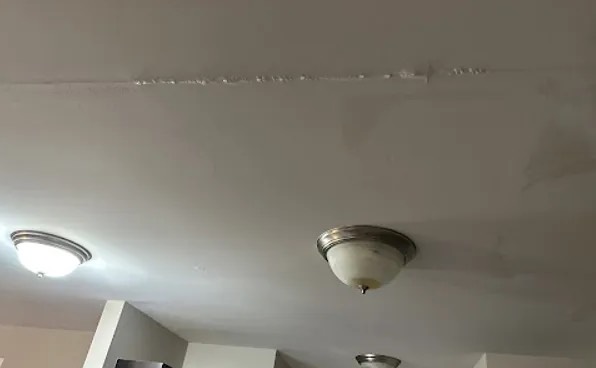
Expert Wall Mold Removal in Haslett Heights, MI
Mold growth on interior walls in Haslett Heights can compromise structural materials and indoor air quality quickly. Prompt wall mold removal is crucial to prevent further damage and potential health concerns.
In Haslett Heights, professional mold remediation for wall mold addresses both visible growth and hidden spores. Local mold removal pros use air scrubbing and drywall mold treatment to ensure complete removal for local residents.
Complete Wall Mold Removal Solutions
Mold Damaged Paint Removal
Mold can grow on and behind painted surfaces. Removing mold-damaged paint involves scraping, sanding with HEPA-filtered equipment, and applying a mold-killing primer before repainting. This ensures the new paint adheres to a clean, stable surface.
Wallpaper Mold Remediation
Remediating mold under wallpaper is a delicate process. The pros use steam or enzymatic solutions to loosen adhesive, minimize damage to the wall, and ensure complete access to the mold colony for effective treatment and removal.
Drywall Mold Removal
Mold feeds on the paper backing of drywall. Effective drywall mold removal involves precise cutting, safe disposal, and treating the underlying framing. This approach, used by the pros, addresses the root cause to prevent rapid regrowth.
Mold Spore Air Scrubbing
Air scrubbing is a vital containment step. These powerful machines create negative air pressure, pulling spore-laden air through a series of filters. This controlled environment prevents cross-contamination, ensuring the remediation is effective and contained.
Wall Cavity Mold Remediation
Wall cavity remediation is complex. After identifying the extent of growth, the pros in Haslett Heights establish containment, clean structural members with HEPA vacuums and wire brushing, and apply sealants to protect the wood from future moisture damage.
Do You Need Wall Mold Removal? Common Signs
Visible Mold in Corners
Mold thrives in dark, stagnant corners, especially behind furniture. This localized growth needs targeted wall mold removal.
New or Worsening Allergies
Unexplained respiratory issues, sneezing, or itchy eyes at home can be caused by airborne mold spores from wall growth.
Deteriorating Wood Baseboards
Soft, crumbling wood trim adjacent to walls can indicate spreading moisture and mold, complicating the mold remediation process.
Condensation on Interior Walls
Excess moisture beading on cold walls creates the perfect environment for mold, highlighting a need for mold prevention treatments.
How Wall Mold Removal Works in Haslett Heights
Step 1: Detailed Moisture and Mold Survey
The experts use thermal imaging and probes to find hidden moisture and mold behind walls, informing the precise mold remediation process needed.
Step 2: Controlled Demolition of Affected Walls
Damaged sections of wallboard are cut out and disposed of safely. This step is central to drywall mold treatment and prevents the spread of debris.
Step 3: Aggressive Air Filtration and Scrubbing
Air filtration devices run 24/7 to remove contaminants. This mold spore cleanup is essential for restoring safe indoor air during and after wallpaper mold remediation.
Step 4: Reconstruction Guidance and Documentation
Once remediation is complete, pros can provide documentation of the work and moisture readings, which may be useful for your insurance claim or future repairs.
Common Sources of Wall Mold Growth
Flooding or Spill Oversights
Incomplete drying after any water event leaves moisture trapped behind drywall, creating a perfect habitat for toxic mold removal needs.
Faulty or Clogged Gutters
Gutters that overflow can saturate exterior walls, allowing water to seep inside and cause mold on walls removal scenarios.
Roof or Plumbing Leaks
Slow, hidden leaks from pipes or a compromised roof introduce moisture into wall cavities, a primary cause of wall mold.
Landscaping Grading Issues
Soil sloping toward the foundation directs groundwater against basement or crawlspace walls, promoting moisture and mold growth inside.
Wall Mold Removal for All Property Types
Residential Wall Mold Removal
Protecting your home from mold involves dealing with hidden moisture in walls. The service includes bathroom wall mold cleanup and comprehensive drying to prevent recurring problems in your residence.
Commercial Wall Mold Removal
For facilities managers, unchecked wall mold leads to liability and repair costs. The remediation scope covers toxic mold removal, documentation for insurance, and application of antimicrobial coatings.
Wall Mold Removal vs. Do-It-Yourself Cleaning
You can visually inspect for leaks and fix minor plumbing drips to prevent further moisture. For existing mold damage inside walls, a professional mold remediation process with containment is necessary to stop spread.
Factors Affecting Wall Mold Removal Pricing
The pros in Haslett Heights provide estimates based on the mold remediation process your home requires. The cost to remove mold from drywall is different from treating mold behind wallpaper or addressing widespread spore contamination throughout a room.
Affected Building Materials
Costs differ between mold damaged paint removal, drywall mold removal, and more complex wallpaper mold remediation or treating structural wood.
Accessibility Challenges
Mold in tight wall cavities or behind finished surfaces requires more time and careful demolition for proper access and treatment.
Air Quality Restoration
Mold spore air scrubbing with industrial HEPA filters is often necessary to clean the air, adding equipment and time expenses.
Does Insurance Cover Wall Mold Removal?
Insurance may cover how to remove mold from drywall only if the cause is a covered peril. The specialists document the damage progression. Homeowners should get coverage clarification from their insurer.
Why Choose Expert Wall Mold Removal
Detailed Documentation
Thorough notes, photos, and moisture maps are created for your records, which can be useful for personal reference or insurance.
Air Quality Verification
The process often includes post-remediation testing or visual clearance to help confirm the indoor air has been properly addressed.
Safety-Oriented Demolition
Careful access into wall cavities minimizes dust and disturbance, allowing for effective wall cavity mold remediation when needed.
24/7 Help for Severe Mold Issues
Extensive mold growth requires 24/7 support. Call (517) 300-2470 to start the professional mold remediation process. Early action from the pros helps manage the situation, begin documentation, and plan for effective mold spore cleanup.
Call Now (517) 300-2470Areas Served for Wall Mold Removal
Other places served are listed below, each with its own page.
Your Wall Mold Removal Questions Resolved
What is the process for professional wall mold removal?
The mold remediation process involves containment of the area, removal of contaminated materials like drywall, HEPA vacuuming and cleaning of surfaces, application of antimicrobials, and air scrubbing to remove spores, followed by drying and verification.
What should I look for in a mold inspection report?
A clear report should identify the locations and extent of moisture and mold, likely causes, the types of mold found if tested, and a detailed scope of work recommended for remediation and repairs.
What is involved in wall cavity mold remediation?
This involves creating access to the cavity, often by removing drywall, inspecting and cleaning or removing insulation, treating the interior framing with antimicrobial solutions, and ensuring the space is completely dry before sealing it back up.
What happens during mold damaged paint removal?
Paint blistered or stained by mold moisture must be scraped or sanded off. The underlying surface is then cleaned, treated, and must be completely dry before new primer and paint can be properly applied.
What are mold prevention treatments applied after removal?
These are EPA-registered antimicrobial coatings applied to cleaned, dry surfaces like wall studs and subflooring to inhibit future fungal growth. They are part of a complete strategy that includes moisture control.