Holt Township, MI
Full Structural Restoration in Holt Township, MIFloor Joist Repair Services & Post-Flood Structural Repair
Full Structural Restoration in Holt Township covers structural water damage repair, foundation water restoration and wall framing drying services.
Answered 24/7
What is Full Structural Restoration in Holt Township?
The importance of full structural restoration for Holt Township properties lies in preventing progressive deterioration; wet structural wood can lose strength rapidly, leading to costly failures.
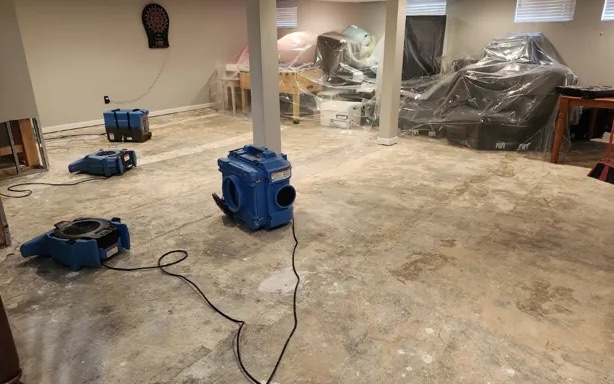
After major water exposure in Holt Township, wall framing is dried and the structure dehumidified. Each job in Holt Township starts with finding the source of the problem so the structural repair specialists can plan cleanup and repairs around it.
Full Structural Restoration Work in Holt Township: What's Involved
Floor Joist Repair Services
Water-damaged floor joists are reached by removing subfloor sections if needed. The wood is cleaned, dried and treated before it is repaired or replaced.
Post-Flood Structural Repair
Flooding applies hydrostatic pressure and leaves silt. Post-flood structural repair cleans and dries the framework before rebuilding. The experts may replace contaminated or compromised wood sections to restore a safe, habitable home.
Wall Framing Drying Services
Wet wall studs are common after water events. Services involve removing drywall to access the framework. Pros then direct high-velocity air and dehumidification into cavities.
Foundation Water Restoration
For properties in Holt Township, foundation water restoration may address drainage issues. Local pros extract standing water and use industrial dehumidifiers. They document damage for insurance claims.
Load-Bearing Wall Restoration
Wet load-bearing walls need to be dried and checked. Compromise can lead to structural failure. Pros conduct an assessment to plan drying and reinforcement.
How to Know If You Need Full Structural Restoration in Holt Township
Sagging or Uneven Floors
Sagging floors point to weakened joists and subfloor, a sign of serious water damage.
Foundation Wall Efflorescence
White, chalky residue on foundation walls means water is seeping through the concrete.
Post-Flood Visible Wood Rot
Discolored, soft or crumbling wood after a flood needs to be checked to see whether it can be dried or must be replaced.
Doors and Windows Sticking
Doors and windows that stick or won't close properly often mean the structural wood framing has swollen.
How Full Structural Restoration Works in Holt Township
Step 1: On-Site Structural Integrity Assessment
The job begins with a hands-on assessment of all framing, from the foundation up, to diagnose the full scope of structural damage.
Step 2: Controlled Demolition for Access
Selective, careful removal of finishes provides access to wet structural wood for the upcoming wall framing drying services and repairs.
Step 3: Targeted Drying Protocol Implementation
A customized drying plan using injectidry systems or similar technology addresses hidden moisture in structural members for post-flood structural repair.
Step 4: Reconstruction With Durable Materials
The final phase involves rebuilding with treated or moisture-resistant lumber where needed, solidifying the building structure repair for the long term.
Events That Require Full Structural Restoration in Holt Township
Foundation Cracks and Hydrostatic Pressure
Cracked foundations permit groundwater intrusion, a primary cause for foundation water restoration work. The damage needs drying and repair before it spreads.
Major Plumbing System Failures
Burst supply lines or drain pipe failures can flood a structure, saturating load-bearing walls and floor systems.
Natural Disaster Impact
Events causing significant water intrusion, such as pipe bursts or appliance failures, necessitate a thorough structural damage assessment for the safety of the building's framework.
Firefighting Water After a Blaze
The substantial water used to extinguish fires soaks structural members, demanding post-fire structural drying methods.
Full Structural Restoration in Holt Township: Houses and Commercial Buildings
Residential Full Structural Restoration
For homes, foundation water restoration addresses cracks and seepage. The specialists in Holt Township dry the area and add exterior or interior drainage to keep water out.
Commercial Full Structural Restoration
For commercial properties, wall framing drying services protect inventory and equipment. The professionals use targeted air movers and dehumidifiers to dry wall cavities in offices or labs without damaging sensitive contents.
Why Full Structural Restoration Requires Structural Repair Specialists in Holt Township
Removing superficial water with a wet-dry vacuum from non-structural surfaces like floor coverings is acceptable if there is no collapse risk. Never pull down wet drywall or plaster from load-bearing walls, as this may destabilize them. Leave wall restoration after water damage to the pros.
What Affects Full Structural Restoration Cost in Holt Township, MI
In Holt Township, cost depends on the volume of water, contamination and the structural work needed. Heavy flooding often means more drying and more replaced materials.
Equipment Requirements
Rental of dehumidifiers, air movers and moisture meters for the drying period adds to the cost.
Extent of Structural Damage
The scale of damage to framing, foundation, or load-bearing elements dictates the materials and labor required for complete structural integrity restoration.
Required Drying Time
Structural drying and dehumidification processes must run until materials reach a specific moisture content, affecting equipment rental duration and energy use.
Does Insurance Cover Full Structural Restoration?
Building structure repair after water damage is frequently a covered loss, subject to the deductible. The professionals document every step of the repair. Homeowners should submit this documentation to their insurer.
Advantages of Hiring Local Specialists in Holt Township for Full Structural Restoration
Documentation for Insurance
The professionals provide detailed logs and photos of the structural damage assessment and drying progress for your insurance claim file.
Advanced Moisture Detection
Using penetrating meters and thermal imaging, the specialists locate hidden moisture within wall cavities and structural wood for targeted drying.
Post-Flood Structural Protocols
Specific procedures for post-flood structural repair address contamination and saturation levels to safely restore the building's framework.
24/7 Emergency Full Structural Restoration in Holt Township
After a flood, structural drying should start as soon as possible to save the framing. Call the pros at (517) 300-2470 for emergency drying in Holt Township.
Call Now (517) 300-2470Full Structural Restoration in Holt Township and Other Areas Served
Load-bearing wall restoration and other structural repairs are necessary to maintain a home's stability after a leak or flood.
- Full Structural Restoration in Ann Arbor
- Full Structural Restoration in Auburn Hills
- Full Structural Restoration in Bath Township
- Full Structural Restoration in Battle Creek
- Full Structural Restoration in Bay City
- Full Structural Restoration in Delta Center
- Full Structural Restoration in Delta Township West
- Full Structural Restoration in DeWitt Township
Full Structural Restoration in Holt Township: Your Questions
Why is wall restoration after water damage complex?
Wood inside the wall must dry fully before finishes are repaired so no moisture is sealed in.
What are signs of hidden structural water damage?
Warped floors, sticking doors, cracks emanating from corners, and a musty smell can indicate moisture within wall cavities or floor systems, requiring investigation by the professionals.
When is floor joist repair necessary?
Repair is needed when joists are warped, sagging, or have sustained prolonged wetting that compromises their strength. Sistering new joists alongside damaged ones is a common repair method.
Can a home be lived in during structural restoration?
Often, sections are contained, but major projects involving extensive deconstruction or load-bearing work may require temporary relocation for safety and to allow unimpeded access for pros.
What happens during wall framing drying services?
Drywall and insulation are removed to expose the wood studs. High-velocity air movers and dehumidifiers then create airflow to evaporate moisture from the lumber until it is dry.