West Lansing, MI
Mold Structural Damage Restoration in West Lansing, MIMold Infested Drywall Removal & Mold Damaged Flooring Removal
Mold Structural Damage Restoration for West Lansing properties includes structural wood mold treatment, post-remediation structural drying, and HVAC duct mold cleaning.
Answered 24/7
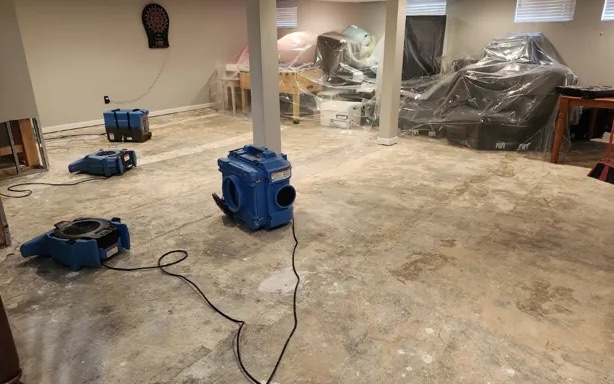
Mold Structural Damage Restoration Solutions in West Lansing, Michigan
Structural damage from mold in West Lansing can silently spread through walls and floors, requiring immediate attention to halt deterioration and protect your investment. Black mold removal is often part of the work.
For homes in the West Lansing area, contaminated insulation and flooring are removed to protect the structure. The area's climate can influence moisture levels that promote fungal mold. Local mold remediation pros offer 24/7 emergency containment and cleanup.
Detailed Mold Structural Damage Restoration Offerings in West Lansing
Mold Infested Drywall Removal
Mold growth on drywall signals that moisture has penetrated the material. The removal process involves precise cutting, bagging the debris onsite, and thorough cleaning of the adjacent surfaces. The mold is removed, not just covered up.
Mold Damaged Flooring Removal
Mold-damaged flooring removal is more than a demolition job. It involves identifying the moisture pathway, protecting unaffected areas, and preparing a clean substrate for whatever new flooring you choose.
Subfloor Mold Remediation
Mold remediation for subfloors requires accessing a confined, often damp space. The process includes moisture mapping, controlled demolition, antimicrobial treatment, and structural drying to create a stable base for new flooring.
Mold Contaminated Insulation Removal
Once mold grows in insulation, it cannot be cleaned. The removal process involves establishing containment, extracting the material, and performing a final air scrub of the space to remove lingering particulate.
HVAC Duct Mold Cleaning
In West Lansing, HVAC systems can harbor mold, especially after water damage. The pros offer duct cleaning services to remove this contamination at its source, helping you breathe easier.
Indicators You Require Mold Structural Damage Restoration
Insulation That Feels Damp
Wet or compacted attic or wall insulation stops insulating well and often hides mold growth.
Condensation on Windows or Pipes
Constant high humidity from condensation promotes mold growth on nearby structural materials and insulation.
Peeling Paint or Wallpaper
Adhesive failure and paint blistering are common signs of moisture and mold behind the surface.
Cracking or Splitting Wood Joints
As mold weakens structural wood, joints and supports may start to show physical stress cracks.
How Mold Structural Damage Restoration Works in West Lansing
Step 1: Mold Inspection and Damage Assessment
The pros begin with a detailed inspection, using tools to map moisture and locate all mold damage within the structure.
Step 2: Emergency Mold Containment Setup
To prevent spore spread, pros establish containment with barriers and negative air machines, isolating the work area from the rest of the property.
Step 3: Structural Mold Removal and Treatment
Affected materials like drywall, insulation, and wood are removed or treated. This includes removing drywall and treating structural wood.
Step 4: Post-Remediation Structural Drying
Drying equipment removes the remaining moisture from the structure so mold does not return.
Common Causes of Mold Structural Damage
Foundation Water Seepage
Groundwater or poor drainage can wet subfloors and support posts, causing mold in crawl spaces and basements.
Roof Leaks Into Attics
Water intrusion from damaged shingles or flashing soaks insulation and wood, creating ideal mold growth conditions.
Improper Drying After Water Damage
Incomplete drying after any water incident leaves hidden moisture that turns into mold within days.
Condensation in HVAC Ducts
Temperature differences in ductwork can create condensation, leading to mold growth inside the air distribution system.
Mold Structural Damage Restoration for Homes & Businesses in West Lansing
Residential Mold Structural Damage Restoration
Residential mold cleanup often involves delicate materials like plaster and historic wood. The specialists remove drywall and repair the structure while keeping the home's character.
Commercial Mold Structural Damage Restoration
In commercial settings, mold can spread quickly through shared HVAC systems. The experts clean ducts and dry the structure so air circulates safely.
When to DIY and When to Hire Local Experts for Mold Structural Damage Restoration
You can safely improve ventilation by using exhaust fans and dehumidifiers to lower general humidity after a minor spill. Active mold or water damage inside walls needs a professional inspection and drying.
Pricing for Mold Structural Damage Restoration in West Lansing
The cost of mold structural damage restoration in West Lansing is shaped by the square footage affected and the severity of mold colonization. Materials like framing lumber and drywall also factor into the final estimate.
Extent of Damage
The square footage of mold-compromised structural materials, from a small section to an entire wall system, dictates labor and material needs.
Access Challenges
Hard-to-reach areas like ducts or closed subfloors take more time and tools to clean.
Testing and Verification
Post-remediation mold testing to confirm clearance adds a final step and associated lab analysis fees.
Does Insurance Cover Mold Structural Damage Restoration?
A homeowners policy may provide for mold structural damage restoration if the mold is a direct result of a covered loss. The role of the experts is to accurately document the extent of damage with photos and moisture readings for the property owner's records. All final determinations about payment for structural repair are made by the insurer.
Advantages of Hiring Water Damage Restoration Experts in West Lansing
IICRC-Standard Remediation
Methods follow industry guidelines for safe mold abatement and structural repair, focusing on containment and proper removal.
Targeted Material Treatment
Each material gets its own procedure, such as structural wood versus ducts.
Comprehensive Mold Removal
The process addresses both visible mold and hidden spores in materials like drywall, insulation, and subfloors.
24/7 Emergency Mold Structural Damage Restoration in West Lansing
If black mold is discovered on structural elements like studs or floor joists, contact (517) 300-2470 for 24/7 assistance. Emergency containment and remediation keep wood and drywall from deteriorating further.
Call Now (517) 300-2470Mold Structural Damage Restoration in West Lansing and Other Areas Served
Homes and businesses throughout West Lansing can get mold contaminated insulation removal and subfloor mold remediation as part of mold structural damage restoration.
- Mold Structural Damage Restoration in Ann Arbor
- Mold Structural Damage Restoration in Auburn Hills
- Mold Structural Damage Restoration in Bath Township
- Mold Structural Damage Restoration in Battle Creek
- Mold Structural Damage Restoration in Bay City
- Mold Structural Damage Restoration in Delta Center
- Mold Structural Damage Restoration in Delta Township West
- Mold Structural Damage Restoration in DeWitt Township
Frequently Asked Questions About Mold Structural Damage Restoration
How is mold contaminated insulation removal performed?
Affected insulation is carefully bagged and removed, the cavity is cleaned and treated, and new insulation is installed only after the area passes mold inspection and is fully dry.
When is HVAC duct mold cleaning recommended?
If an inspection finds mold in the ductwork, it needs to be cleaned so the system does not spread spores through the home.
Can mold remediation and structural repair happen simultaneously?
The order matters: removal and containment come first, then structural drying, then any structural repairs.
How is mold and mildew removal from structural elements different?
Mildew is surface-level and can often be cleaned. Deep structural mold gets into materials, so those materials must be removed.
Why is emergency mold containment setup important?
Containment with plastic sheeting and negative air pressure isolates the work area, preventing mold spores from spreading to clean parts of your home during remediation.