North Lansing, MI
Ceiling Water Damage Repair in North Lansing, MIWet Drywall Ceiling Repair & Ceiling Structural Damage Assessment
Ceiling Water Damage Repair in North Lansing covers ceiling water stain removal, wet drywall ceiling repair and ceiling cavity drying services.
Answered 24/7
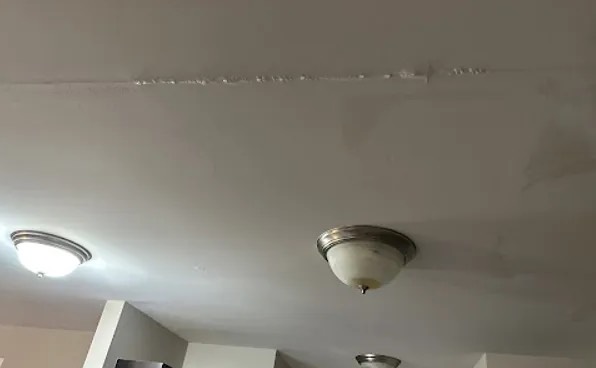
Local Ceiling Water Damage Repair for North Lansing Homes
Repairing a water-damaged ceiling in North Lansing works only in the right order: stop the leak, dry the cavity, then fix the drywall and stain. Skipping a step usually means the stain comes back or the patch sags.
Comprehensive Ceiling Water Damage Repair Services in North Lansing
Wet Drywall Ceiling Repair
New drywall is screwed to dry joists, taped and finished in several coats so the repair sits flush with the old ceiling.
Ceiling Structural Damage Assessment
Damage to joists or trusses is noted for a contractor, since structural repairs go beyond drywall work.
Emergency Ceiling Water Extraction
Draining a ceiling quickly relieves the weight and often limits how much drywall must be replaced.
Ceiling Mold Remediation
Affected material is bagged inside the work area, and air scrubbers filter dust while the ceiling is opened and cleaned.
Ceiling Cavity Drying Services
The space above the ceiling is dried with air movers and dehumidifiers, through the repair opening or small holes, until readings are normal.
When to Schedule Ceiling Water Damage Repair in North Lansing
Musty Odors in Room
A musty smell in the room points to wet insulation or framing above the ceiling.
Dripping or Active Leak
Water dripping from the ceiling or a light fixture means there is an active leak above right now.
Soft or Spongy Drywall
Drywall that feels soft or gives when pressed has lost strength and needs to be replaced.
Brownish Water Stains
Brown or yellow rings on the ceiling mean water has soaked into the drywall from above.
How Ceiling Water Damage Repair Works in North Lansing
Step 1: Leak Stopping and Safety
The water source is shut off or tarped, and power to wet fixtures is turned off.
Step 2: Moisture Removal
Water is drained and extracted, and wet insulation above the ceiling is removed.
Step 3: Antimicrobial Treatment
Joists and drywall edges that stayed wet are treated once they are dry.
Step 4: Ceiling Repair After Leak
The ceiling is rebuilt, textured and painted so the repair blends in.
Common Causes of Ceiling Water Damage in North Lansing
Overflowing Bathtubs or Sinks
Overflowing tubs and sinks on an upper floor soak through to the ceiling beneath them.
Storm Damage to Roof
Wind and hail can tear roofing open and let rain pour onto the ceiling during a storm.
Plumbing Leaks Above
Pipes in the floor or attic above can leak slowly or burst onto the ceiling below.
Window or Skylight Seal Failure
Failed seals around skylights and windows let rain run into the ceiling nearby.
Ceiling Water Damage Repair for All Property Types in North Lansing
Residential Ceiling Water Damage Repair
Families can usually use the rest of the house during ceiling repair. The room being repaired is closed off until the work is done.
Commercial Ceiling Water Damage Repair
Retail spaces with high ceilings may need lifts to reach the damage, with work scheduled to keep aisles and exits clear.
Ceiling Water Damage Repair vs. DIY: When to Call the Pros
Painting over a wet stain hides it for a short time, but it usually returns. Have the ceiling checked with a moisture meter before painting.
Factors Influencing Ceiling Water Damage Repair Cost in North Lansing
Roof or plumbing repairs are separate from ceiling repair. In North Lansing, the leak must be fixed before the ceiling is finished.
Emergency Response Timing
Night, weekend and holiday calls can cost more than a scheduled weekday visit.
Ceiling Square Footage
Larger stained or sagging areas need more drywall, more finishing and more paint.
Leak Source Complexity
Leaks that are hard to trace, such as roof water traveling along rafters, take more inspection time.
Does Insurance Cover Ceiling Water Damage Repair?
The ceiling repair may be covered even when the roof or pipe repair is not. Ask your adjuster how your policy separates the two.
Advantages of Local Pros for Ceiling Water Damage Repair in North Lansing, MI
Damage Assessment
Drywall, joists, insulation and the walls below are all checked before repair starts.
Moisture Mapping
Meters and thermal cameras show the full wet area above the ceiling, not just the stain.
Stain Sealing
Stains are sealed with stain-blocking primer after drying, so they do not bleed through new paint.
24/7 Emergency Ceiling Water Damage Repair for North Lansing Residents
Water coming through a light fixture? Turn off that circuit at the panel and call (517) 300-2470 now for help with the ceiling in North Lansing.
Call Now (517) 300-2470Ceiling Water Damage Repair in North Lansing and Other Areas Served
Homes and businesses throughout North Lansing can get ceiling leak source identification and ceiling mold remediation as part of ceiling water damage repair.
- Ceiling Water Damage Repair in Ann Arbor
- Ceiling Water Damage Repair in Auburn Hills
- Ceiling Water Damage Repair in Bath Township
- Ceiling Water Damage Repair in Battle Creek
- Ceiling Water Damage Repair in Bay City
- Ceiling Water Damage Repair in Delta Center
- Ceiling Water Damage Repair in Delta Township West
- Ceiling Water Damage Repair in DeWitt Township
Frequently Asked Questions About Ceiling Water Damage Repair
How is a ceiling leak source identified?
Moisture meters and thermal cameras follow the wet pattern back to the roof, plumbing or appliance above.
What is the goal of ceiling water damage restoration?
To leave a ceiling that is dry inside, structurally sound and finished to match the rest of the room.
How long does ceiling water damage repair take?
Drying often takes a few days, and drywall finishing and painting usually take a few more.
What tools are used for ceiling drying services?
Air movers, dehumidifiers, moisture meters and thermal cameras, plus drywall tools for opening the ceiling.
What is emergency ceiling water extraction?
Draining water trapped on top of the ceiling through a controlled hole and extracting water from the room below.