Williamston, MI · Ingham County
Toxic Odors & Volatile Emissions Services in Williamston, MIToxic Fume Cleanup & Airborne Contaminant Cleanup
Toxic Odors & Volatile Emissions Services in Williamston includes chemical odor removal, VOC mitigation services, and toxic fume cleanup.
Answered 24/7
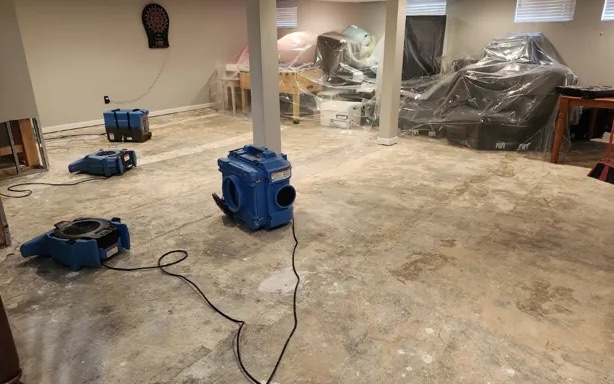
Trusted Toxic Odors & Volatile Emissions Services in Williamston
In Williamston, vapor intrusion from soil can bring gases like radon inside through foundation cracks. This hidden pathway requires detection and sealing to protect indoor air.
Properties in Williamston and nearby areas like Webberville, Okemos and Haslett face air quality challenges from local sources. Local toxic odor removal pros address chemical odor removal and VOC mitigation with area-suited protocols. Their professional service helps contain emissions before they spread.
Toxic Odors & Volatile Emissions Services for Williamston
Toxic Fume Cleanup
Toxic fume cleanup after an accidental release involves rapid containment and air scrubbing for properties in Williamston. Specialists then decontaminate surfaces to eliminate residual toxicity.
Airborne Contaminant Cleanup
Airborne contaminant cleanup captures microscopic pollutants like mold spores using HEPA filtration and controlled containment in Williamston. This prevents redistribution during cleaning.
Toxic Odor Decontamination
When toxic odors permeate a space, specialized decontamination is required. These methods break down the volatile compounds. The local toxic odor removal pros focus on eliminating the odor, not masking it. They document the process.
Industrial Odor Elimination
Industrial odor elimination tackles complex smells from manufacturing in Williamston. The pros use ozone generators and thermal foggers for commercial spaces.
VOC Mitigation Services
In Williamston, VOC mitigation services address the invisible threat from building products and furnishings. The process includes air testing and continuous purification to remove gaseous contaminants, creating a safer breathing environment for occupants.
Symptoms Suggesting Toxic Odors & Volatile Emissions Services Are Needed
Odors That Return After Cleaning
If smells disappear briefly but then return, the source likely requires deep VOC mitigation and air purification.
Odors After Renovation Work
Chemical smells lingering after construction or painting are classic signs of volatile emissions from new materials and adhesives.
Odors Near Stored Chemicals
Pungent smells emanating from storage areas for paints or cleaners hint at chemical odor release and VOCs.
New or Strange Smells
Sudden onset of unfamiliar odors, like solvents or gases, often signals hazardous gas intrusion requiring immediate investigation.
How Toxic Odors & Volatile Emissions Services Work in Williamston
Step 1: Initial Containment Strategy
The pros first establish containment barriers to isolate the affected area, preventing the spread of toxic odors during the remediation.
Step 2: Deep Airborne Decontamination
A multi-stage decontamination process using air scrubbers and fogging agents tackles deep-seated airborne contaminants and volatile organic compounds.
Step 3: Structural Deodorization
Surfaces and porous materials are treated to remove embedded odors, completing the industrial odor elimination phase of the service.
Step 4: Client Walk-Through & Documentation
A final walk-through with the client, accompanied by documentation of the work, concludes the toxic odor removal service.
Common Causes of Toxic Odors in Williamston
Fire or Combustion Residue
Soot and chemicals left after a fire create persistent toxic odors and require specialized toxic fume cleanup.
Decomposing Building Materials
Certain older insulation, adhesives, or treated woods can break down and release toxic smells and hazardous gases.
Off-Gassing From New Materials
New furniture, carpets, and building materials often emit VOCs and formaldehyde, leading to prolonged volatile emissions indoors.
Malfunctioning Appliances
Faulty furnaces, water heaters, or stoves may produce carbon monoxide or other hazardous gases, creating an immediate danger.
Toxic Odors & Volatile Emissions Services for Homes and Businesses in Williamston
Residential Toxic Odors & Volatile Emissions Services
Toxic smells in a home can be subtle but constant, causing discomfort. Sources include attached garages or new carpets. The pros perform indoor air quality testing and home air purification.
Commercial Toxic Odors & Volatile Emissions Services
For restaurants or offices, strange odors can damage reputation. They may indicate a deeper air quality issue. The pros use industrial odor elimination techniques to protect business assets.
Toxic Odors & Volatile Emissions Services vs. DIY: When to Call Local Pros
Identify and safely remove an obvious source, like an open container, using gloves. Do not attempt large chemical spills yourself. For significant hazardous gas removal or vapor intrusion, the pros in Williamston have the proper equipment.
Pricing Considerations for Toxic Odors & Volatile Emissions Services in Williamston
For volatile organic compound cleanup, costs are influenced by the required level of air purification, the number of rooms affected, and the type of industrial odor elimination techniques needed to restore safe indoor air quality.
Containment and Safety Protocols
Creating sealed containment zones and using protective gear for toxic fume cleanup ensures safety but adds to material and procedural costs.
Air Quality Testing Needs
Initial and post-remediation indoor air quality testing to identify VOCs and verify cleanup adds to the project scope and required expertise.
Vapor Intrusion Complexity
Addressing subsurface vapor intrusion requires specialized diagnostics and mitigation systems, making it a more involved and costly remediation scenario.
Does Insurance Cover Toxic Odors & Volatile Emissions Services?
Commercial policies may address airborne contaminant cleanup from operations differently. Coverage for chemical odor removal depends on pollution clauses. The pros in Williamston follow IICRC-standard methods and document all work for the insurer's review.
Benefits of Hiring Local Pros for Toxic Odors & Volatile Emissions Services in Williamston
Focused Hazardous Gas Removal
Procedures are designed to safely evacuate and neutralize dangerous gases, addressing both immediate health risks and long-term air quality concerns.
Thorough Contamination Containment
Pros establish containment barriers to prevent the spread of toxic fumes during cleanup, protecting unaffected areas of your property from cross-contamination.
Holistic Odor Elimination Strategy
Remediation goes beyond masking smells, using oxidation and absorption techniques to eliminate toxic odors at the molecular level for lasting results.
Emergency Toxic Odors & Volatile Emissions Services Available Around the Clock in Williamston
For a toxic gas leak or severe chemical odor in Williamston, call (517) 300-2470 now. The experts are on standby 24/7 to respond.
Call Now (517) 300-2470Toxic Odors & Volatile Emissions Services Coverage Area Including Williamston
The places below are also served, and each one has its own page.
- Toxic Odors & Volatile Emissions Services in Webberville
- Toxic Odors & Volatile Emissions Services in Okemos
- Toxic Odors & Volatile Emissions Services in Haslett
- Toxic Odors & Volatile Emissions Services in Perry
- Toxic Odors & Volatile Emissions Services in East Lansing
- Toxic Odors & Volatile Emissions Services in Laingsburg
- Toxic Odors & Volatile Emissions Services in Eaton Rapids
- Toxic Odors & Volatile Emissions Services in Mason
Frequently Asked Questions About Toxic Odors & Volatile Emissions Services
What happens during airborne contaminant cleanup?
The area is contained, high-efficiency air filtration devices run continuously to remove particles and gases, all affected surfaces are cleaned or removed, and the air is retested to confirm contaminant levels are safe.
What does indoor air quality testing for VOCs involve?
Testing uses specialized equipment to sample the air, identifying the types and concentrations of volatile organic compounds present. This data guides the targeted remediation strategy for volatile emissions services.
What are common signs of a toxic fume problem?
Signs include persistent chemical smells, sudden onset of headaches or dizziness among occupants, visible chemical residue, or a known history of spills or industrial activity on or near the property.
When is vapor intrusion remediation necessary?
It is necessary when soil gases like radon or chemical vapors from groundwater enter a building through cracks in the foundation, requiring sub-slab depressurization or other mitigation systems to block the pathway.
What is the difference between odor masking and true odor elimination?
Masking uses fragrances to cover smells temporarily. True odor elimination services use oxidation, chemical neutralization, or absorption to destroy odor molecules at the source for a permanent solution.