Pontiac, MI · Oakland County
Full Structural Restoration in Pontiac, MIStructural Integrity Assessment & Structural Water Damage Repair
Full Structural Restoration in Pontiac covers structural water damage repair, foundation water restoration and wall framing drying services.
Answered 24/7
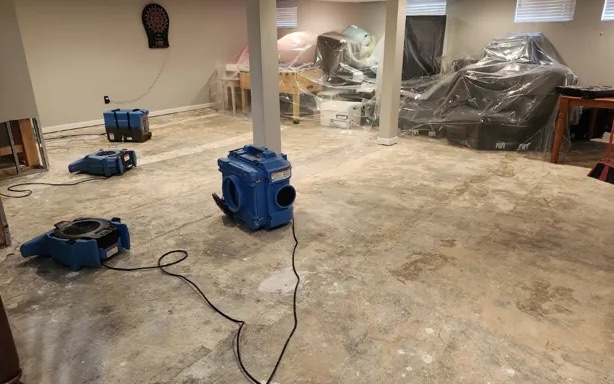
Full Structural Restoration Experts Serving Pontiac
In Pontiac, water often reaches hidden sill plates and header beams that hold the structure up. The restoration professionals in the area handle it by prioritizing structural drying and dehumidification to stabilize the environment before any physical repairs begin.
In Pontiac, the work covers foundation repairs and structural drying after water incidents. Homes in nearby places like Auburn Hills, Troy and Farmington Hills can get the same structural wood repairs. The specialists apply consistent, detailed protocols to every job.
Comprehensive Full Structural Restoration Offerings in Pontiac
Structural Integrity Assessment
A structural integrity assessment evaluates the building's framework after water damage. The professionals inspect for compromised wood, metal corrosion, and hidden moisture. This creates the plan for restoration.
Structural Water Damage Repair
When water soaks load-bearing elements, structural water damage repair is needed. The professionals assess saturation and apply targeted drying. Timely action prevents costly reconstruction later.
Structural Moisture Removal
Structural repairs target the home's wooden framework. The specialists identify beams, joists, or studs that have lost integrity. They execute precise repairs to restore strength and alignment.
Load-Bearing Wall Restoration
Repairs return the wall to its original load capacity. Experts inspect for twisting or bowing in structural members. Repair can include adding steel brackets or replacing frame sections.
Floor Joist Repair Services
Water-damaged floor joists are reached by removing subfloor sections if needed. The wood is cleaned, dried and treated before it is repaired or replaced.
Warning Signs You Need Full Structural Restoration in Pontiac
Post-Flood Visible Wood Rot
Discolored, soft or crumbling wood after a flood needs to be checked to see whether it can be dried or must be replaced.
Cracks in Load-Bearing Walls
New or expanding cracks in foundation walls or load-bearing walls signal serious structural stress from moisture saturation.
Foundation Wall Efflorescence
White, chalky residue on foundation walls means water is seeping through the concrete.
Musty Odors in Wall Cavities
Persistent musty smells from walls or floors suggest hidden moisture and decay within the structural framing.
How Full Structural Restoration Works in Pontiac
Step 1: On-Site Structural Integrity Assessment
The job begins with a hands-on assessment of all framing, from the foundation up, to diagnose the full scope of structural damage.
Step 2: Controlled Demolition for Access
Selective, careful removal of finishes provides access to wet structural wood for the upcoming wall framing drying services and repairs.
Step 3: Targeted Drying Protocol Implementation
A customized drying plan using injectidry systems or similar technology addresses hidden moisture in structural members for post-flood structural repair.
Step 4: Reconstruction With Durable Materials
The final phase involves rebuilding with treated or moisture-resistant lumber where needed, solidifying the building structure repair for the long term.
What Leads to Structural Damage in Pontiac Homes?
Foundation Cracks and Hydrostatic Pressure
Cracked foundations permit groundwater intrusion, a primary cause for foundation water restoration work. The damage needs drying and repair before it spreads.
HVAC Condensation Drain Blockages
Clogged condensate drains cause overflow that can drip into wall cavities and ceiling joists unnoticed.
Severe Weather Flooding
Heavy rain or overland flooding can soak a foundation and the framing above it.
Major Plumbing System Failures
Burst supply lines or drain pipe failures can flood a structure, saturating load-bearing walls and floor systems.
Residential and Commercial Full Structural Restoration in Pontiac
Residential Full Structural Restoration
In homes, structural water damage repair focuses on restoring the safety of living spaces. The pros address sagging floors, compromised wall studs, and wet attic framing to protect your family and property value.
Commercial Full Structural Restoration
For businesses, foundation and load-bearing wall repairs keep the building open. The specialists secure the building and keep people safe while downtime stays short. They document all damage thoroughly for commercial insurance claims.
Why Full Structural Restoration Requires Local Specialists in Pontiac
You can safely document the damage for insurance by taking clear photos and videos from a safe distance. Note any visible cracks, sagging, or water stains. However, avoid touching or applying pressure to compromised structural elements and call the specialists for a full structural restoration assessment.
Cost Considerations for Full Structural Restoration in Pontiac
In Pontiac, cost depends on how much foundation and framing work is needed and how hard the damaged parts are to reach.
Scope of Deconstruction
The amount of drywall, flooring, or insulation that must be removed to access and dry structural elements influences the project's labor intensity.
Local structural repair specialists Labor Rates
The prevailing rates for the specialists in the Michigan area are a component of the final service estimate.
Equipment Requirements
Rental of dehumidifiers, air movers and moisture meters for the drying period adds to the cost.
Does Insurance Cover Full Structural Restoration?
The pros document the damage for a homeowner's claim. Their report explains why drying or wall repairs were needed and includes moisture readings. Coverage decisions belong to the insurer.
The Value of Local Experts for Pontiac Full Structural Restoration
Foundation Restoration Focus
Attention to foundation water restoration helps prevent long-term settlement issues and preserves the stability of the entire structure above.
Documentation for Insurance
The professionals provide detailed logs and photos of the structural damage assessment and drying progress for your insurance claim file.
Thorough Dehumidification Process
Industrial dehumidifiers lower the ambient humidity to properly dry dense structural materials like framing lumber, preventing warping and mold.
Emergency Response for Full Structural Restoration in Pontiac
Hidden moisture can rot a home's structural bones, leading to costly repairs and safety hazards. For 24/7 emergency structural drying and repair, call the specialists at (517) 300-2470.
Call Now (517) 300-2470Full Structural Restoration in Pontiac and Other Areas Served
Other places served are listed below, each with its own page.
- Full Structural Restoration in Auburn Hills
- Full Structural Restoration in Troy
- Full Structural Restoration in Farmington Hills
- Full Structural Restoration in Southfield
- Full Structural Restoration in Royal Oak
- Full Structural Restoration in Midland
- Full Structural Restoration in Bay City
- Full Structural Restoration in Kalamazoo
Full Structural Restoration in Pontiac: Your Questions
Can a home be lived in during structural restoration?
Often, sections are contained, but major projects involving extensive deconstruction or load-bearing work may require temporary relocation for safety and to allow unimpeded access for pros.
Why is wall restoration after water damage complex?
Wood inside the wall must dry fully before finishes are repaired so no moisture is sealed in.
How long does structural drying and dehumidification take?
Drying dense structural wood like floor joists and wall framing typically takes several days, monitored with moisture meters until materials reach a dry standard to prevent future rot.
What is the first step after discovering structural damage?
Call for emergency water extraction first, then book a structural assessment to plan the repairs.
Are special methods used for structural water damage repair?
Yes, methods include cutting access openings, building drying chambers and using industrial equipment for dense, waterlogged materials.