Pontiac, MI · Oakland County
Smoke Damage Cleanup in Pontiac, MISoot Residue Cleanup & Wall Ceiling Soot Cleaning
Smoke Damage Cleanup for Pontiac includes smoke odor removal, soot residue cleanup, and emergency smoke damage mitigation.
Answered 24/7
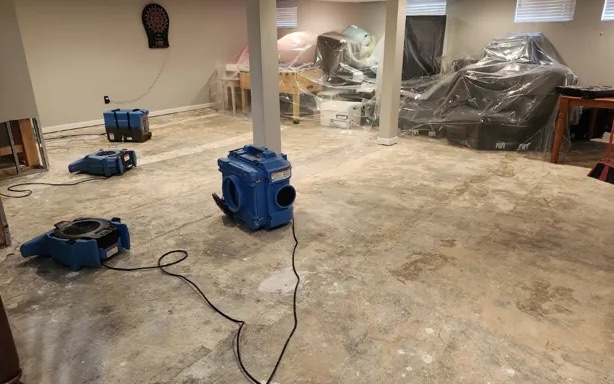
Expert Smoke Damage Cleanup for Pontiac Homes and Businesses
In Pontiac, thorough smoke damage cleanup is essential to eliminate health risks and prepare for rebuilding. Soot contains carbon and toxic chemicals that can irritate respiratory systems, making professional soot cleanup a safety matter.
Across Pontiac and nearby areas like Auburn Hills, Troy and Farmington Hills, professional soot cleanup after a fire helps limit permanent damage. Local smoke removal experts use soot residue removal and smoke odor removal methods to reduce lingering smoke traces.
Available Smoke Damage Cleanup Procedures in Pontiac
Soot Residue Cleanup
Cleaning soot residue is a delicate process demanding professional expertise. The specialists employ dry sponges and HEPA vacuums for safe removal. Incorrect cleaning can grind particles deeper. This service protects property finishes in Pontiac.
Wall Ceiling Soot Cleaning
The type of soot, whether dry, wet, or oily, determines the cleaning method. Protocols adjust, using degreasers for oily residues from plastics or petroleum.
Smoke Odor Removal
Smoke odor removal addresses persistent smells in fabrics and building materials. Specialized equipment neutralizes odor particles throughout a property.
Fire Damage Surface Restoration
Surface restoration addresses permanent effects like yellowed varnish on wood or blistered paint. Industry-standard methods involve stripping, sanding, and refinishing damaged items.
HVAC Duct Smoke Cleaning
After a fire, smoke particles often coat HVAC duct interiors. A thorough inspection and cleaning of all components, including supply and return ducts, is required.
Indicators for Smoke Damage Cleanup in Pontiac Residences
Water Stains From Firefighting Efforts
These secondary issues combine with smoke, creating a complex situation for comprehensive smoke damage repair.
Persistent Smoke Odor Lingers Indoors
A smoky smell that remains after airing out indicates hidden smoke residues requiring professional smoke odor removal.
Tacky or Oily Surfaces After a Fire
This sticky residue is corrosive soot, a job for professional soot cleanup to prevent lasting damage.
Ash in the HVAC Vents
Finding particulate matter blowing from vents means your system requires HVAC duct smoke cleaning.
How Smoke Damage Cleanup Works in Pontiac
Step 1: Emergency Smoke Damage Mitigation
The professional service involves emergency smoke damage mitigation to prevent worsening conditions. This professional service can limit secondary damage from acidic soot.
Step 2: Comprehensive Soot and Residue Cleanup
Every surface receives attention from the experts performing professional soot cleanup. This phase is the core of the post-fire cleaning effort to remove all deposits.
Step 3: Whole-Structure Deodorization
The entire property is treated for smoke odor removal using industrial equipment. This ensures odors are not just masked but permanently neutralized.
Step 4: Restoration and Reassembly
The final step involves returning cleaned contents and performing any minor smoke damage repair. The goal is to restore the property to its pre-fire state.
What Leads to Needing Smoke Damage Cleanup in Pontiac
Improper Use of a Fireplace
Closing a damper too soon or burning wet wood fills a room with smoke, creating a need for post-fire cleaning.
Kitchen Grease Fires
These intense blazes produce thick, oily smoke and soot that spreads quickly, coating surfaces and requiring extensive cleanup.
Candle or Incense Ignition
Small, smoldering sources produce surprising amounts of soot that can stain ceilings and walls, requiring wall and ceiling soot cleaning.
Burning of Plastics or Synthetics
These materials release harsh chemicals and sticky, acidic residues that complicate standard fire damage cleanup efforts.
Residential and Commercial Smoke Damage Cleanup in Pontiac
Residential Smoke Damage Cleanup
Residential fire damage cleanup after smoke intrusion focuses on eliminating the persistent smell from carpets, drapes, and upholstery that families encounter daily. The experts use advanced deodorization to tackle these embedded odors.
Commercial Smoke Damage Cleanup
For retail or restaurant spaces, smoke damage mitigation is urgent to remove odors and residues that could deter customers. The specialists address visible damage on walls, ceilings, and equipment to maintain brand image and safety.
The Risks of DIY Smoke Damage Cleanup for Pontiac Homeowners
After ensuring structural safety, a homeowner may take photos and notes of damage. Sorting personal belongings for potential content cleaning is possible. For smoke residue removal, rely on the experts in Pontiac.
Factors Influencing Smoke Damage Cleanup Cost in Pontiac
Costs for smoke damage repair depend on the materials affected; synthetic materials produce different soot than natural ones, changing the cleanup approach. Post-fire cleaning of delicate items versus structural surfaces carries different time and resource requirements.
HVAC System Contamination
The degree of smoke infiltration into the HVAC system, requiring dedicated duct cleaning, adds a specialized service line to the estimate.
Emergency Mitigation Services
If emergency smoke damage mitigation was performed, those initial stabilization and boarding-up services are part of the complete cost calculation.
Smoke Odor Penetration Depth
Deeper permeation of smoke odor into drywall, insulation, and fabrics necessitates more intensive and time-consuming deodorization techniques and equipment.
Does Insurance Cover Smoke Damage Cleanup?
Coverage for services like smoke odor removal is subject to a policy's specific terms. The pros document soot residue and smoke penetration to illustrate the necessity of the cleanup for the claim.
Benefits of Local Smoke Removal Experts for Smoke Damage Cleanup in Pontiac
Comprehensive Air Quality Testing
Post-cleaning air quality testing after fire provides verification that the indoor environment has been properly restored for safety.
Sequential Smoke Damage Repair Protocol
A logical sequence is followed for smoke damage repair, starting with source removal and ending with final air scrubbing.
Detailed Content Cleaning Process
A systematic approach is used for content cleaning for smoke damage, assessing and cleaning salvageable items individually.
24/7 Emergency Smoke Damage Cleanup in Pontiac
A professional service is critical for smoke damage restoration to limit the extent of cleaning needed later. For 24/7 emergency assistance with soot cleaning services and odor containment, reach out directly at (517) 300-2470.
Call Now (517) 300-2470Smoke Damage Cleanup Availability in the Pontiac Region
Other places served are listed below, each with its own page.
Common Smoke Damage Cleanup Questions Answered for Pontiac
What is content cleaning for smoke damage?
Content cleaning is the specialized process of cleaning, deodorizing, and restoring salvageable personal belongings affected by smoke, often performed off-site in a controlled facility using various techniques.
Why is HVAC duct smoke cleaning a critical step?
HVAC duct smoke cleaning is critical because the system can distribute soot and odor throughout the entire house; cleaning it prevents recontamination after other surfaces are cleaned.
Can wall and ceiling soot cleaning restore original surfaces?
Wall and ceiling soot cleaning can often restore surfaces using dry sponging, chemical cleaning, or gentle abrasive methods, but severely damaged materials may require sealing or replacement.
Why is smoke odor so difficult to remove from a home?
Smoke odor is difficult because microscopic particles penetrate deep into porous materials like drywall, insulation, and upholstery, requiring advanced deodorization methods beyond surface cleaning to fully eliminate.
What happens during the smoke odor removal process?
The smoke odor removal process typically involves source removal, cleaning of all surfaces, and then application of sealants or gas-phase deodorizers like ozone or hydroxyl to neutralize odor molecules.