Lansing, MI · Ingham County
Mold Structural Damage in Lansing, MIPost-Remediation Structural Drying & Structural Wood Mold Treatment
In Lansing, Mold Structural Damage covers mold contaminated insulation removal, mold damaged flooring removal, and emergency mold containment setup.
Answered 24/7
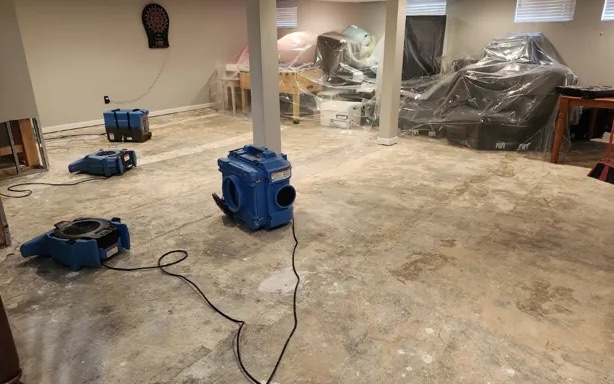
Mold Structural Damage Services for Ingham County
For homes in Lansing, restoration is needed when water lets mold grow and weaken building materials. Drying after remediation leaves no moisture for new mold.
In Lansing and nearby communities like Edgemont Park, Waverly and East Lansing, moldy drywall and ducts must be removed or cleaned. Local structural damage restoration pros handle these tasks. The structural damage restoration pros in Lansing remove only what cannot be saved and clean or restore the rest whenever practical.
Mold Structural Damage Services in Lansing
Post-Remediation Structural Drying
Drying the structure completely after remediation is what seals the success of the project. Using moisture meters, the pros monitor the drying process until all materials meet dry standard specifications.
Structural Wood Mold Treatment
Mold can break down wood fibers over time and weaken framing. Treatment cleans the wood and stops further decay, and badly weakened pieces are replaced.
Subfloor Mold Remediation
Mold remediation for subfloors requires accessing a confined, often damp space. The process includes moisture mapping, controlled demolition, antimicrobial treatment, and structural drying to create a stable base for new flooring.
HVAC Duct Mold Cleaning
Mold in air ducts spreads spores. Professional cleaning uses specialized brushes and vacuums to remove mold and apply treatment to inhibit regrowth.
Emergency Mold Containment Setup
The pros erect plastic barriers at a project's start. They use negative air machines with HEPA filtration to create a sealed work zone.
Signs of Mold Structural Damage
Warping or Bubbling Drywall
When drywall softens, bulges, or shows bubbles, moisture and mold are likely inside the cavity.
HVAC System With Dusty Smell
Mold in air ducts often circulates a dusty, musty odor whenever the heating or cooling runs.
Cracking or Splitting Wood Joints
As mold weakens structural wood, joints and supports may start to show physical stress cracks.
Condensation on Windows or Pipes
Constant high humidity from condensation promotes mold growth on nearby structural materials and insulation.
How Mold Structural Damage Works in Lansing
Step 1: Detailed Moisture Mapping
Using advanced sensors, the experts create a moisture map of all affected structural areas to guide the entire mold cleanup.
Step 2: HVAC Duct Mold Cleaning
If the HVAC system is contaminated, the ducts are cleaned to stop spores circulating.
Step 3: Contaminated Material Extraction
Mold-contaminated building materials like insulation and drywall are safely removed and disposed of according to local guidelines for mold abatement.
Step 4: Structural Integrity Restoration
Remaining wood and framing are then repaired and treated against new mold.
Typical Sources of Mold Structural Damage
Appliance Overflow Incidents
Washing machine, dishwasher, or water heater failures can flood floors and walls, starting rapid mold growth.
Flooding From Storms
Stormwater entering a home saturates porous building materials, requiring drying to prevent structural mold damage.
Poor Bathroom Ventilation
Shower steam with no exhaust fan leads to moisture buildup on walls and ceilings, encouraging mold.
Roof Leaks Into Attics
Water intrusion from damaged shingles or flashing soaks insulation and wood, creating ideal mold growth conditions.
Mold Structural Damage for All Property Types in Lansing
Residential Mold Structural Damage
Homeowners face risks from mold in structural wood, like support beams and studs, which compromises safety. Local pros treat structural wood and dry the home to protect it and the indoor air.
Commercial Mold Structural Damage
Commercial properties need mold removed to meet health rules and protect the building. The experts set up containment and remove large areas of damaged flooring.
DIY Mold Removal vs. Professional Mold Structural Damage in Lansing
If a musty smell suggests hidden mold, a homeowner can avoid the area and limit airflow by closing doors to contain spores temporarily. For safe black mold removal, schedule professional testing to find the full extent of the damage.
Cost Considerations for Mold Structural Damage in Lansing
Costs vary based on the accessibility of the damaged areas, such as tight crawlspaces or spaces behind finished walls. The necessity of post-remediation verification testing or clearance sampling also contributes to the final project scope and its associated factors.
Access Challenges
Hard-to-reach areas like ducts or closed subfloors take more time and tools to clean.
Extent of Damage
The square footage of mold-compromised structural materials, from a small section to an entire wall system, dictates labor and material needs.
Testing and Verification
Post-remediation mold testing to confirm clearance adds a final step and associated lab analysis fees.
Does Insurance Cover Mold Structural Damage?
There is no standard answer for insurance covering mold and mildew removal from structures. Review your policy for mold riders or specific exclusions. The pros supply the necessary damage assessment documentation. Your adjuster approves any structural repair after mold, so confirm with them.
Benefits of Local Pros for Mold Structural Damage
Structural Damage Focus
The work prioritizes assessing and addressing compromised load-bearing elements and building materials, not just surface mold cleanup.
Detailed Damage Documentation
Pros document all affected areas with photos and moisture data, which can assist in your insurance claim process.
Clear Scope Communication
You receive a clear explanation of necessary steps, from mold contaminated insulation removal to final repairs.
24/7 Emergency Mold Structural Restoration in Lansing
When mold from water damage compromises your home's framework, urgent action is needed. Reach the specialists at (517) 300-2470 day or night to start containment.
Call Now (517) 300-2470Mold Structural Damage Service Area Around Lansing
For mold that has damaged the structure, not just the surface, it is available in Lansing. It covers areas like Edgemont Park, Waverly and East Lansing for tasks from containment to final drying.
Frequently Asked Questions About Mold Structural Damage
Can structural wood mold treatment save damaged beams?
If the damage is only on the surface, cleaning and antimicrobial treatment can often save the wood. Badly weakened load-bearing members may need to be reinforced or replaced by a contractor.
How is mold and mildew removal from structural elements different?
Mildew is surface-level and can often be cleaned. Deep structural mold gets into materials, so those materials must be removed.
How is mold contaminated insulation removal performed?
Affected insulation is carefully bagged and removed, the cavity is cleaned and treated, and new insulation is installed only after the area passes mold inspection and is fully dry.
How long does mold structural damage restoration typically take?
The timeline depends on the scope, but a project can range from a few days for a localized issue to a week or more for extensive structural damage repair.
Can mold remediation and structural repair happen simultaneously?
The order matters: removal and containment come first, then structural drying, then any structural repairs.