Greater Lansing, MI
Heating Unit Mold Cleanup in Greater Lansing, MIVent Register Mold Cleaning & HVAC Mold Inspection
Heating Unit Mold Cleanup in Greater Lansing includes ductwork sealing, furnace mold cleanup, air duct mold remediation, and HVAC mold inspection.
Answered 24/7
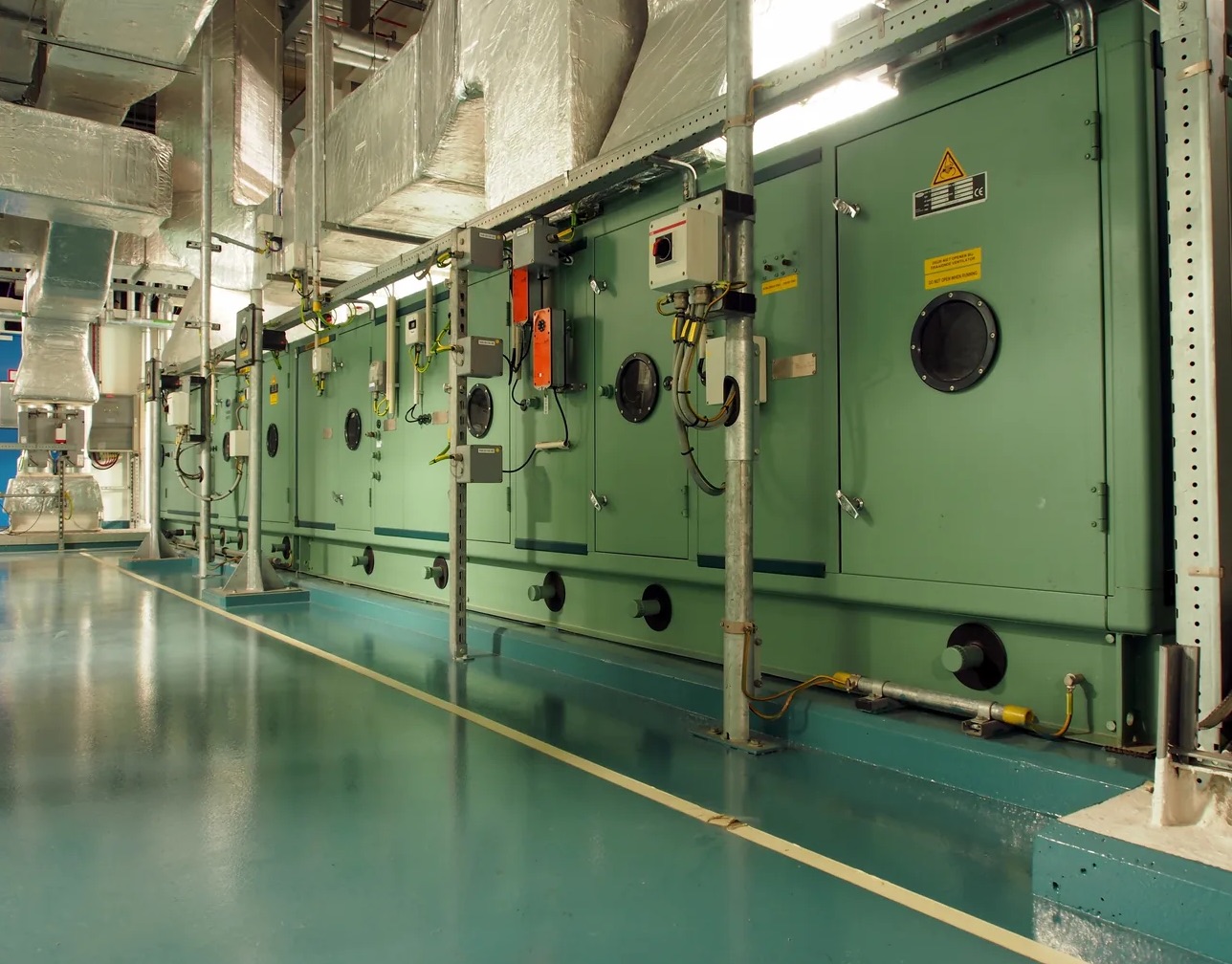
Local Heating Unit Mold Cleanup for Greater Lansing Residents
Heating vents and duct interiors can harbor active mold colonies that continuously release spores into the air supply. Duct cleaning and sanitizing keep the home's air cleaner.
In Greater Lansing and nearby communities, mold in air handlers or ducts needs duct cleaning and sanitizing. Local HVAC restoration experts clean moldy ducts and test the air afterward. Help is available to prevent further contamination.
Available Heating Unit Mold Cleanup Procedures in Greater Lansing
Vent Register Mold Cleaning
Cleaning supply and return vents addresses air entry points. The experts scrub and disinfect register faces. It is a visible component of heating unit mold cleanup.
HVAC Mold Inspection
An HVAC mold inspection checks forced-air systems for visible mold and musty odors. The experts look for moisture sources in the unit and ducts. It sets the cleanup plan.
Air Handler Mold Sanitization
The process addresses residual spores and odors. The experts use fogging techniques. It follows the cleanup.
Air Duct Mold Remediation
Cleaning mold from ducts addresses the system of supply and return vents throughout a home. The experts mechanically agitate and extract visible mold and debris. Cleanup and system repair depend on it.
Evaporator Coil Mold Removal
The process involves brushing and rinsing the coil assembly. The experts eradicate mold and biofilm. This cleaning is a key objective of heating unit mold cleanup.
Warning Signs You Need Heating Unit Mold Cleanup
Increased Allergy Symptoms
Worsening allergies or respiratory irritation at home often points to mold spores circulating from the HVAC system.
Black Specks in Airflow
Seeing small black particles blowing from vents is a direct indicator of mold spore release from ductwork.
Reduced Heating Efficiency
Higher energy bills and weak airflow can mean mold is obstructing ductwork or coating the furnace heat exchanger.
Recent Water Damage Nearby
Past leaks or flooding near the HVAC unit can lead to hidden mold growth inside the heating system components.
How Heating Unit Mold Cleanup Works in Greater Lansing
Step 1: Initial Air Quality and Visual Inspection
The experts conduct an initial assessment, noting visible mold and using tools to gauge spore levels in the air from the HVAC.
Step 2: Aggressive Ductwork and Vent Cleaning
Vent and register cleaning is performed alongside deep duct cleaning to remove all mold-laden dust from the air distribution system.
Step 3: Air Handler and Coil Mold Removal
The air handler and evaporator coil, where mold most often grows, are cleaned and treated.
Step 4: Verification and System Performance Test
A final walk-through and system operation test verify that the HVAC mold remediation is complete and the unit functions properly.
Common Causes of HVAC Mold in Greater Lansing
Basement or Crawl Space Moisture
Damp conditions under the home introduce moisture into ductwork running through those spaces, causing ductwork mold growth.
Undersized or Faulty Dehumidifiers
An HVAC system that fails to properly dehumidify the air allows moisture to accumulate inside ductwork and vents.
Air Duct Leaks and Gaps
Leaky ductwork pulls in humid air from attics or crawl spaces, depositing moisture that fosters mold inside the ducts.
Improper Furnace Maintenance
Neglected furnace cleaning allows dust and organic debris to accumulate, which mold uses as a food source when damp.
Both Residential & Commercial Heating Unit Mold Cleanup in Greater Lansing
Residential Heating Unit Mold Cleanup
Residential heating unit mold cleanup by the experts targets hidden mold in vents and the air handler. That stops allergens from spreading through the home's ducts.
Commercial Heating Unit Mold Cleanup
Commercial buildings with large central air systems need full duct mold cleanup. The experts apply scaled methods for large-volume air duct mold remediation, often concluding with post-cleanup verification testing to confirm results.
Heating Unit Mold Cleanup vs. DIY: When to Call HVAC Restoration Experts
Schedule regular HVAC maintenance with a qualified service provider to catch issues early. Keep the furnace cabinet area clean and clear of stored items. For any evidence of mold spores from HVAC systems affecting air quality, seek Heating Unit Mold Cleanup from the pros to address the contamination safely.
Primary Factors Affecting Heating Unit Mold Cleanup Cost in Greater Lansing
Estimates include containment, such as plastic sheeting and negative air machines, to keep spores from spreading during cleanup.
Extent of Contamination
The square footage of mold growth within the air ducts and heating unit directly influences the scope and duration of work.
Time of Service
Emergency heating unit mold cleanup requests outside standard business hours may involve different service rate structures.
Disposal Requirements
The cost for safe disposal of contaminated materials, like insulation or filters, is factored into the final service price.
Does Insurance Cover Heating Unit Mold Cleanup?
Homeowners insurance policies may cover heating unit mold cleanup if the contamination stems directly from a covered sudden event, such as a burst pipe within the heating system. Coverage decisions belong solely to the insurer. Documentation of the damage with photos and moisture readings is typically prepared for the homeowner's claim file.
Reasons to Hire Local Experts for Heating Unit Mold Cleanup in Greater Lansing
Comprehensive System Approach
The process addresses the entire air pathway, from furnace mold cleaning to vent and register cleaning, for a complete solution.
IICRC-Standard Remediation Methods
Protocols for HVAC mold removal follow industry standards for containment, cleaning, and verification to address the contamination properly.
24/7 Emergency Response
Help is available 24/7 for heating system mold that is spreading odors or spores through the home.
24/7 Emergency Heating Unit Mold Cleanup in Greater Lansing
Discovering mold in your air handler or furnace demands quick action to prevent spore circulation. Call the experts at (517) 300-2470 for 24/7 HVAC mold remediation in Greater Lansing.
Call Now (517) 300-2470Local Heating Unit Mold Cleanup Availability for Greater Lansing
Help with heating unit mold cleanup is available across Greater Lansing, including HVAC mold inspection and air duct mold remediation.
- Heating Unit Mold Cleanup in Bath
- Heating Unit Mold Cleanup in Charlotte
- Heating Unit Mold Cleanup in Delhi Township
- Heating Unit Mold Cleanup in Delta Township
- Heating Unit Mold Cleanup in DeWitt
- Heating Unit Mold Cleanup in Dimondale
- Heating Unit Mold Cleanup in East Lansing
- Heating Unit Mold Cleanup in Eaton Rapids
Frequently Asked Questions About Heating Unit Mold Cleanup
Can I perform heating system mold removal myself?
DIY cleaning often misses hidden mold and can spread spores through the home without containment.
What happens during vent and register cleaning?
Registers are removed, cleaned, and sanitized, and the accessible first few feet of vent openings are scrubbed to remove visible mold deposits.
How often should air duct mold cleanup be performed?
There's no set schedule; it's performed reactively when mold is detected, but maintaining low humidity helps prevent conditions for mold.
What is involved in heating unit mold cleanup?
The process typically includes inspection, containment, specialized cleaning of the furnace, air handler, and ducts, followed by optional post-remediation air testing for verification.
Will HVAC mold inspection disrupt my home?
Inspection is minimally invasive, involving visual checks with cameras and possibly air samples, causing little to no disruption to your daily routine.