Delta Township, MI
Heating Equipment Fire Restoration in Delta Township, MISmoke Odor Elimination & HVAC Component Assessment
Heating Equipment Fire Restoration in Delta Township addresses heating system soot cleanup, smoke odor elimination, and fire damaged duct cleaning.
Answered 24/7
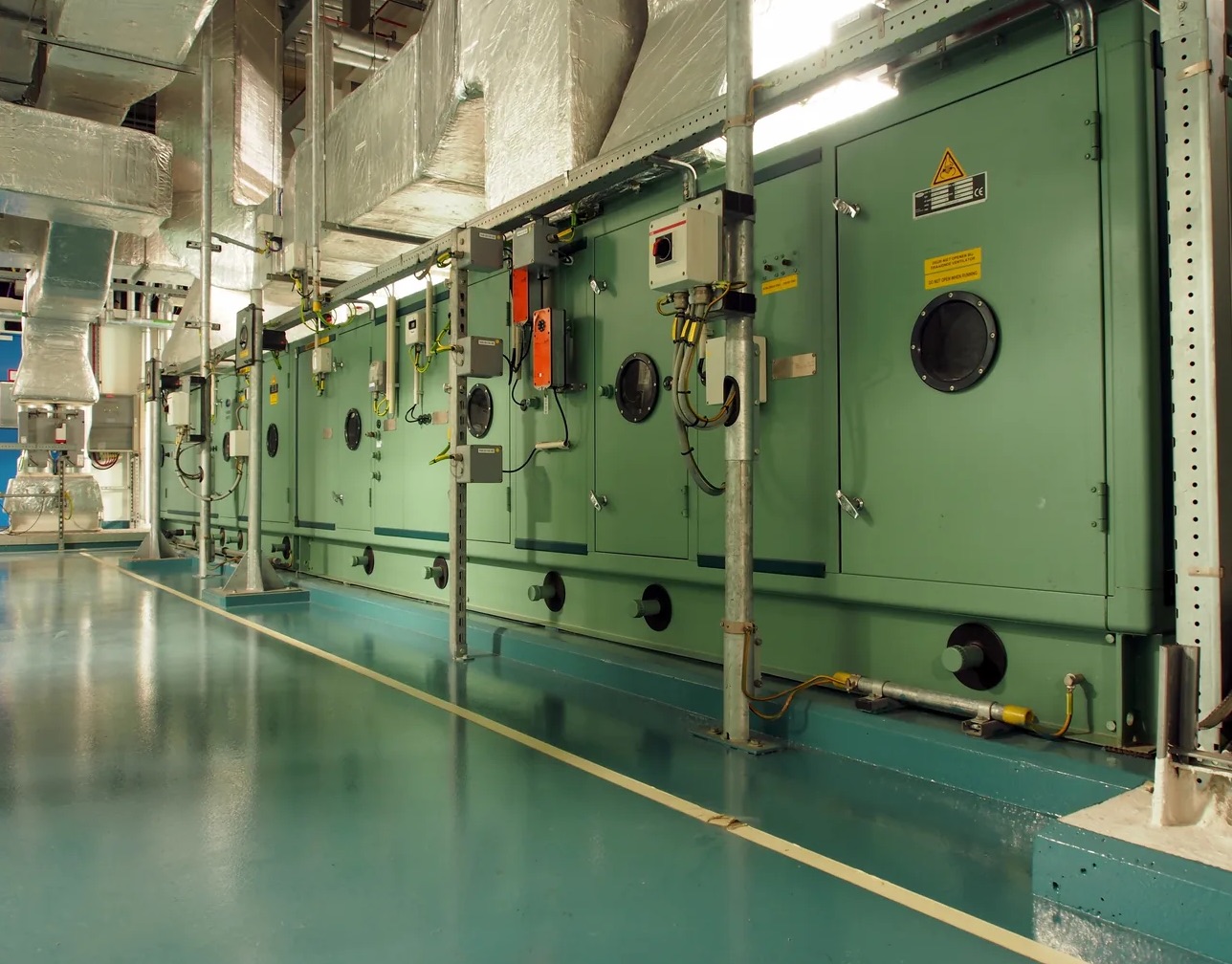
Heating Equipment Fire Restoration Solutions in Delta Township, Michigan
In the Delta Township area, smoke odor and soot from a heating unit fire can spread through ducts and contents. Local smoke remediation specialists address this with thorough fire damaged duct cleaning and content cleaning after fire.
In Delta Township, cleanup after a heating unit fire keeps soot from spreading through the HVAC system. The pros board up and remove soot in this community and nearby. Help is available 24/7 to mitigate further damage.
Detailed Heating Equipment Fire Restoration Services for Delta Township
Smoke Odor Elimination
Smoke odor elimination tackles the persistent smell permeating fabrics and drywall after a heating equipment fire. The process involves advanced techniques like thermal fogging to neutralize odor molecules.
HVAC Component Assessment
Post-fire HVAC assessment identifies which system components are salvageable through professional cleaning. The pros document the condition of each part for your records.
Heating Equipment Fire Debris Removal
The specialists carefully extract charred components, ash, and soot from the appliance. Debris removal comes first.
Fire Damaged Duct Cleaning
Fire damaged duct cleaning removes soot and debris from your entire air distribution system. The specialists use negative-air machines and specialized brushes to clean ducts thoroughly.
Heating System Soot Cleanup
Fine, oily soot from a heating system fire infiltrates tiny crevices. Local pros perform detailed cleaning to halt corrosive damage to metal parts and sensitive electronics.
Warning Signs You Need Heating Equipment Fire Restoration
Visible Ductwork Discoloration
Discolored metal on your heating ducts often means internal smoke damage cleanup is required.
Persistent Smoke Odor in Rooms
A lingering smoke smell after a heating system fire means smoke odor elimination is likely necessary.
Soot on Heating System Vents
Soot deposits on your heating vents mean the system needs professional cleanup before you run it.
Compromised Windows or Doors
Broken openings from firefighting efforts create security risks that emergency fire board up can address.
How Heating Equipment Fire Restoration Works in Delta Township
Step 1: Emergency Assessment and Board Up
The specialists first secure the site with emergency fire board up. They document all heating unit fire damage for your insurance claim with photos and notes.
Step 2: Soot and Smoke Residue Removal
Soot is removed from all surfaces first, including the walls around the unit and the heating system itself.
Step 3: Deep Duct and HVAC Cleaning
Fire damaged duct cleaning uses industry-standard equipment to remove soot and ash. An HVAC component assessment verifies each part's safety and function after the fire incident.
Step 4: Air Quality Testing and Odor Elimination
Final smoke odor removal techniques are applied. Post-fire air quality testing confirms the environment is clean before the heating equipment fire restoration is complete.
Typical Origins of Heating Unit Fires in Delta Township
Mechanical Furnace Component Failure
A failing blower motor or bearing can create extreme friction and sparks, causing heating equipment fire damage.
Faulty Wiring in Heating Systems
Aged or improper wiring connected to your heating system is a frequent cause of heating system fire cleanup.
Dust and Lint Ignition in Ducts
Built-up dust in ductwork can catch a spark and burn, leaving soot inside the ducts.
Overheating Boiler or Heat Exchanger
A failing boiler or cracked heat exchanger can overheat and start a fire.
Heating Equipment Fire Restoration for All Property Types in Delta Township
Residential Heating Equipment Fire Restoration
Homeowners face unique challenges after a heater fire. The specialists in Delta Township provide thorough smoke odor removal from carpets and drapes. They use IICRC-standard methods for content cleaning after fire and detailed HVAC component assessment.
Commercial Heating Equipment Fire Restoration
Restaurants or shops hit by a heating fire require specialized care. The pros execute intensive soot damage restoration for kitchen hoods or inventory areas. Their fire restoration process includes air quality testing to meet health codes.
Professional Heating Equipment Fire Restoration Over DIY Cleanup in Delta Township
After confirming with your insurer, you can compile a list of damaged contents. Do not attempt to wipe down electronic devices covered in soot. Refrain from using the heating system until it is inspected. For a thorough HVAC component assessment, contact the pros.
Cost Considerations for Heating Equipment Fire Restoration in Delta Township
Heating equipment fire restoration cost in Delta Township depends on how badly the unit was damaged and how far soot spread through the ducts and house.
Emergency Board Up
Emergency board-up to secure the property is an early cost in the restoration.
Soot Contamination Level
Dense soot from a heating system fire requires more intensive cleaning methods and time, directly impacting the restoration labor costs for the specialists in Delta Township.
Air Quality Testing
Air quality testing confirms the cleanup worked and is a separate step.
Does Insurance Cover Heating Equipment Fire Restoration?
Heating unit fire damage may be covered, but you should always verify with your insurance company. The specialists document the restoration for your claim.
Why Choose Local Smoke Remediation Specialists for Heating Equipment Fire Restoration in Delta Township
IICRC-Standard Soot Cleaning
Soot removal follows industry standards so delicate surfaces are not damaged during cleaning.
Documentation for Claims
Detailed documentation of all damage and restoration steps is prepared to assist you when you file an insurance claim for the loss.
24/7 Emergency Response
Fast action after a heating fire prevents secondary damage from soot and smoke.
Urgent Heating Equipment Fire Restoration Availability in Delta Township
Delay can worsen soot damage and embed odors. For smoke damage cleanup and assessment from the specialists in Michigan, call (517) 300-2470.
Call Now (517) 300-2470Locations for Heating Equipment Fire Restoration Including Delta Township
In Delta Township, heating system fires leave odors and residue that need smoke damage treatment.
- Heating Equipment Fire Restoration in Bath
- Heating Equipment Fire Restoration in Charlotte
- Heating Equipment Fire Restoration in Delhi Township
- Heating Equipment Fire Restoration in DeWitt
- Heating Equipment Fire Restoration in Dimondale
- Heating Equipment Fire Restoration in East Lansing
- Heating Equipment Fire Restoration in Eaton Rapids
- Heating Equipment Fire Restoration in Edgemont Park
Common Heating Equipment Fire Restoration Questions Answered
What are the steps in the fire restoration process?
Key steps include emergency work to secure the home, soot and smoke cleanup, odor removal, content cleaning and a final check.
What does heating equipment fire restoration involve?
It usually includes soot cleanup, smoke odor removal, an HVAC assessment and cleaning of fire-damaged ducts.
Can belongings be saved after a heating fire?
Content cleaning after fire uses specialized methods like dry cleaning, ultrasonic cleaning, and ozone chambers to salvage many items affected by soot and smoke.
How long does fire damage restoration typically take?
The time required depends on the fire's severity, the area affected, and the specific restoration tasks needed, like soot removal from structures or cleaning of belongings.
How quickly should soot be cleaned after a fire?
Soot is acidic and can etch or stain surfaces, so removal prevents permanent damage.