Auburn Hills, MI · Oakland County
Smoke Odor Removal in Auburn Hills, MIHVAC Duct Smoke Cleaning & Smoke Odor Air Purification
Smoke Odor Removal in Auburn Hills uses HVAC duct smoke cleaning, thermal fogging odor treatment and smoke odor sealing service so the smell does not return.
Answered 24/7
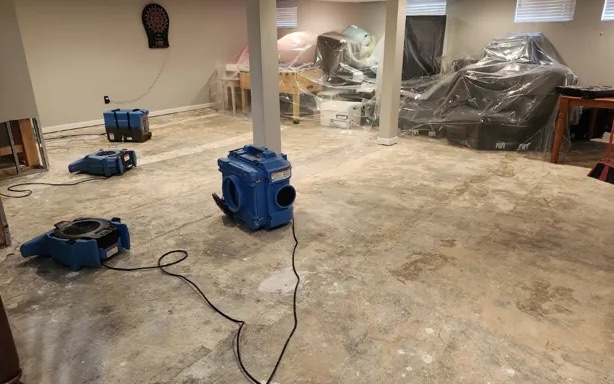
Smoke Odor Removal in Auburn Hills: Expert Odor Elimination
For any home in Auburn Hills, cleanup after a fire must include strong odor control. Smoke odor is not just unpleasant; it can keep irritating the people who live there.
Smoke Odor Removal in Auburn Hills and nearby areas like Pontiac, Troy and Royal Oak deals with smoke that has worked into homes and businesses. Local smoke odor removal pros use thermal fogging and ozone treatment to neutralize odor deep in materials for a full result.
The Smoke Odor Removal Process in Auburn Hills, MI
HVAC Duct Smoke Cleaning
Pros extract soot from ductwork with specialized tools so the system stops spreading odor through homes in Auburn Hills.
Smoke Odor Air Purification
The specialists run machines that pull contaminated air through a series of filters, leaving the indoor air cleaner.
Emergency Smoke Odor Containment
Temporary barriers and filtration control air movement, which keeps clean areas clean and makes later treatment work better.
Thermal Fogging Odor Treatment
A fine mist of deodorizer fills the room and finds odor particles embedded in surfaces, working on the most stubborn smells.
Ozone Generator Odor Removal
For severe, widespread odors, pros run industrial ozone generators in sealed areas to neutralize odor in the air and surfaces.
Indicators You Require Professional Smoke Odor Removal
Visible Smoke Residue in Ductwork
Dark streaks around vent registers show the smoke traveled through the ducts.
Odor Absorption Into Soft Materials
Curtains, upholstery or carpet that still smell of fire have absorbed odor deeply.
New Odors Emerging Over Time
A sour, stale smell weeks after a fire means residue is still breaking down somewhere.
Odor Intensifies With Heat or Humidity
A fire smell that gets stronger on warm or humid days means odor is stored in materials.
How Smoke Odor Removal Works in Auburn Hills
Step 1: First Call and Odor Source Containment
The pros contain affected areas first so odor does not spread to clean rooms during cleanup.
Step 2: Dry and Wet Soot Extraction Process
Specialized vacuums and sponges remove dry and wet soot so surfaces are ready for deodorizing.
Step 3: Ozone Generator Odor Oxidation Cycle
For severe odors, an ozone cycle runs in sealed areas to destroy odor molecules chemically.
Step 4: Final Cleaning and Reinstallation of Contents
A final cleaning is done and cleaned belongings are put back in place.
Sources of Smoke Damage Odors in Auburn Hills Homes
Furnace or Water Heater Malfunction
A faulty furnace or water heater can puff smoke and soot into the home.
Fireplace or Chimney Backdraft
A chimney backdraft can blow smoke into living areas and leave strong odor nearby.
Tobacco Smoke Accumulation Over Years
Years of tobacco smoke soak into materials and contents and are hard to remove.
Electrical Malfunction or Overheating
Burning wires or overheated appliances release acrid plastic smoke with a harsh odor.
Residential and Commercial Smoke Odor Removal in Auburn Hills
Residential Smoke Odor Removal
At home, odor removal focuses on carpets, drapes and other porous materials, plus cleaning belongings to save valuable items in Auburn Hills.
Commercial Smoke Odor Removal
In commercial buildings, smoke can reach HVAC systems and ceiling spaces, so specialists clean ducts and fog the ductwork.
Hiring Local Pros vs. DIY Smoke Odor Removal in Auburn Hills
You can clean light residue on cabinets or appliances with degreasers and wash fabrics in hot water with vinegar. When odor comes from walls, ducts or absorbent materials, call the pros.
Understanding Smoke Odor Removal Pricing in Auburn Hills
The pros look at the size of the area and how deep cleaning must go, and jobs that need several methods cost more.
Structural Material Types
Upholstery and drywall absorb odor more than hard surfaces and need stronger treatment.
Soot Residue Level
Heavy, oily soot takes more labor and specific cleaners to remove from surfaces.
Required Deodorization Methods
Using several methods, like air purification, ozone and sealers, adds equipment and materials.
Does Insurance Cover Smoke Odor Removal?
For coverage, the fire or smoke event must be a covered cause of loss under your policy. The pros provide readings, soot maps and photos for the claim.
The Value of Local Smoke Odor Removal Experts in Auburn Hills
IICRC-Standard Deodorization Methods
The pros follow accepted steps that treat both surface residue and airborne contaminants.
Source Identification Focus
Every odor source is found, from obvious residue to hidden spots, so the plan covers it all.
Advanced Air Purification Technology
Hydroxyl generators and HEPA filtration clean smoke odor and particles out of the air.
Urgent Smoke Odor Removal Services for Auburn Hills Properties
Smoke damage does not keep business hours. For urgent cleanup and odor containment, call (517) 300-2470 at any time to reach local experts.
Call Now (517) 300-2470Smoke Odor Removal Service Area Including Auburn Hills
Each place listed below has its own page with local details.
Common Smoke Odor Removal Questions Answered
Why is HVAC duct cleaning necessary after a fire?
Soot and odor in ducts spread through the house every time the system runs, so cleaning them prevents recontamination.
Why does smoke odor removal sometimes fail?
It can fail when a source is missed or the ducts are not cleaned, which lets odor recirculate through the house.
How is odor removal after fire different from regular cleaning?
It targets microscopic odor molecules with neutralizers and sealers, far beyond the visible dirt regular cleaning removes.
What is smoke odor removal?
It is a professional process that removes fire smells with air purification, thermal fogging and ozone, treating the source instead of masking it.
What does emergency smoke odor containment involve?
Sealing off areas with plastic, filtering air with negative air machines and closing vents so odor does not spread.