South Lansing, MI
Drywall Water Damage Repair in South Lansing, MIDrywall Mold Prevention & Drywall Water Extraction
Drywall Water Damage Repair in South Lansing runs from drywall water extraction and wet drywall removal to drywall water stain removal.
Answered 24/7
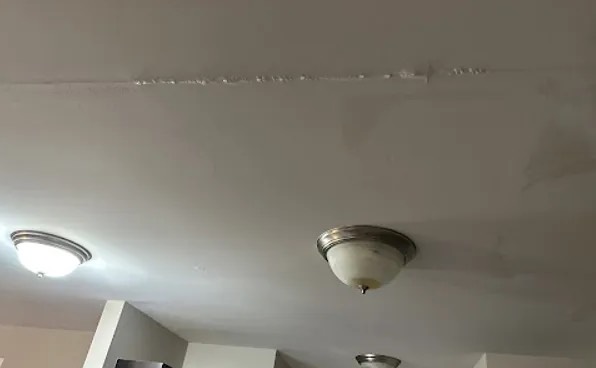
Professional Drywall Water Damage Repair in South Lansing, MI
Drywall Water Damage Repair in South Lansing works in a set order: stop the leak, remove water and wet materials, dry the cavity, then repair the drywall. Skipping a step usually means the stain or odor comes back.
Drywall Water Damage Repair Services in South Lansing
Drywall Mold Prevention
Drywall paper is a food source for mold when it stays damp, so walls are dried until readings are normal.
Drywall Water Extraction
Drywall itself does not hold standing water for long, but the cavity behind it can. Extraction targets that space before drying begins.
Ceiling Water Damage Repair
The ceiling cavity is dried along with the insulation and joists, then new drywall is hung and the texture is matched.
Drywall Water Stain Removal
Drywall that is firm and only stained can often be sealed and painted instead of replaced.
Emergency Drywall Water Repair
Fast action can mean drying drywall in place instead of replacing it, which keeps repairs smaller.
Indicators for Drywall Water Damage Repair in South Lansing Homes
Discolored or Stained Drywall
Discolored patches on drywall, especially near the floor or ceiling, point to a slow leak.
High Indoor Humidity Levels
A room that stays humid after a leak may have wet drywall and insulation releasing moisture.
Visible Mold
Dark spots on drywall mean it has stayed wet long enough for mold to start.
Bubbling Drywall Texture
Wall or ceiling texture that bubbles or flakes off has moisture behind it.
How Drywall Water Damage Repair Works in South Lansing
Step 1: Emergency Inspection and Assessment
The wall or ceiling is checked with meters, and the source of the water is located.
Step 2: Water Extraction and Controlled Drying
Water in the cavity is drained, and air is directed into the wall through small openings.
Step 3: Damaged Drywall Removal
Drywall that cannot be dried is cut out above the wet line, and wet insulation is removed.
Step 4: Drywall Restoration and Finishing
New drywall is hung, taped, textured and painted once the cavity reads dry.
Common Reasons for Drywall Water Damage Repair in South Lansing
Bathroom Ventilation Problems
Bathrooms without good fans keep drywall damp, leading to stains, peeling and soft spots.
Gutter and Downspout Blockages
Clogged gutters overflow down exterior walls, and water can find its way inside.
Roof Leaks and Storm Damage
Roof leaks during storms run down inside walls and soak ceiling drywall below.
Appliance Malfunctions and Overflows
Washers, dishwashers and water heaters leak onto floors and wick water up nearby walls.
All Property Types for Drywall Water Damage Repair in South Lansing
Residential Drywall Water Damage Repair
In two-story homes, ceiling drywall under bathrooms is a common repair. The ceiling cavity is dried before new drywall goes up.
Commercial Drywall Water Damage Repair
Commercial buildings with drop ceilings may have wet drywall above the tiles. Those areas are checked and dried as well.
When to Attempt DIY and When to Call the Pros for Drywall Water Damage Repair in South Lansing
Patching a small hole in dry drywall is a fine DIY job. If water got into the wall cavity or insulation, call (517) 300-2470 to have it dried first.
Factors in Drywall Water Damage Repair Cost for South Lansing
Ceiling repairs in South Lansing usually cost more than wall repairs, because of height, texture matching and the work of hanging overhead.
Drying Time Required
Wall cavities and ceiling spaces can take several days to dry, which adds equipment time.
Extent of Water Damage
A small damp area costs less to dry and patch than drywall soaked across several rooms.
Ceiling Repair Difficulty
Ceiling repairs take more work than wall repairs, especially with texture or high ceilings.
Does Insurance Cover Drywall Water Damage Repair?
Insurers often ask whether the leak was sudden or gradual. Readings and the condition of the drywall and framing help answer that.
Advantages of Hiring Local Pros in South Lansing for Drywall Water Damage Repair
Moisture Mapping
Meters and thermal cameras show how far water spread inside walls and ceilings.
24/7 Emergency Response
Help is available day or night when water is running down a wall or a ceiling is bulging.
Damage Documentation
Photos, readings and drying logs are kept to support your insurance claim.
South Lansing Emergency Drywall Water Damage Repair Assistance
Ceiling bulging with water from above? Keep people out of the room below it and call (517) 300-2470 now for drywall water damage repair in South Lansing.
Call Now (517) 300-2470Drywall Water Damage Repair Service Area for South Lansing
Homes and businesses throughout South Lansing can get drywall leak repair and drywall mold prevention as part of drywall water damage repair.
- Drywall Water Damage Repair in Ann Arbor
- Drywall Water Damage Repair in Auburn Hills
- Drywall Water Damage Repair in Bath Township
- Drywall Water Damage Repair in Battle Creek
- Drywall Water Damage Repair in Bay City
- Drywall Water Damage Repair in Delta Center
- Drywall Water Damage Repair in Delta Township West
- Drywall Water Damage Repair in DeWitt Township
Drywall Water Damage Repair FAQs
How are drywall water damage repair costs documented for insurance?
With photos, moisture readings, a list of removed materials and drying logs, along with repair receipts.
How does drywall water extraction work?
Water in the wall cavity is drained through small holes or behind baseboards, then air is directed in to dry it.
What tools are used for drywall drying services?
Moisture meters, thermal cameras, air movers, dehumidifiers and small tools for opening the wall.
Can wet drywall be saved, or must it be removed?
Drywall wet from clean water and caught early can often be dried. Soft, sagging or contaminated drywall is removed.
What is drywall mold prevention?
Drying wet drywall and framing quickly, and treating studs that stayed wet with an antimicrobial before the wall is closed.