Greater Lansing, MI
Water-Damaged Flooring Removal in Greater Lansing, MIWet Carpet Removal & Emergency Floor Water Extraction
Water-Damaged Flooring Removal in Greater Lansing includes wet carpet removal, hardwood floor water damage and subfloor drying services.
Answered 24/7
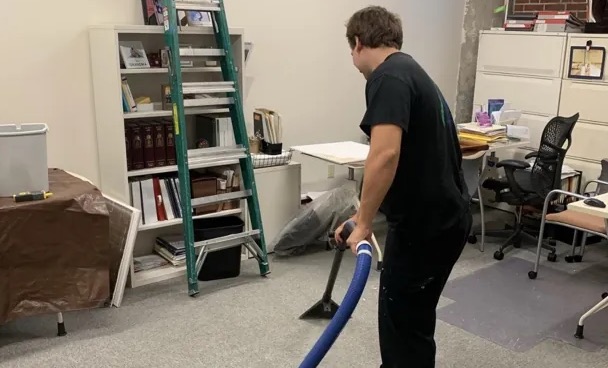
Your Local Water Removal Pros for Water-Damaged Flooring Removal in Greater Lansing
When flooring in Greater Lansing is too soaked or contaminated to save, it must come out. Removing it keeps bacteria and odors from spreading and lets the structure dry.
When a flood affects a home in Greater Lansing, extraction is key to saving the subfloor. Local pros handle everything from emergency flooring removal to the final moisture check for homes across the region.
Detailed Water-Damaged Flooring Removal Procedures
Wet Carpet Removal
Soggy carpet starts to smell quickly, so pros remove it and the pad and dry the floor underneath.
Emergency Floor Water Extraction
Pros remove as much water as possible before it spreads or soaks deeper, which keeps the job smaller.
Laminate Flooring Removal
In Greater Lansing, pros unlock the planks carefully when removing wet sections so dry pieces can be reused.
Subfloor Drying Services
After flooring is removed, air movers and dehumidifiers draw moisture out of the wood or concrete.
Tile Floor Water Cleanup
Grout holds moisture against the subfloor, so pros in Greater Lansing test it and dry or repair the base layer.
Warning Signs You Need Water-Damaged Flooring Removal
Discolored or Stained Flooring
Dark stains on carpet, grout or wood show the floor has stayed damp for too long.
Gaps Between Floorboards
New gaps between floorboards can appear as wood shrinks after soaking up water.
Vinyl Flooring Seam Separation
Seams pulling apart in vinyl plank or sheet flooring show moisture has weakened it.
Musty Odors From Floors
An earthy smell from the floor often means moisture is trapped under the surface.
How Water-Damaged Flooring Removal Works in Greater Lansing
Step 1: Emergency Water Extraction
Truck-mounted or portable extractors remove all standing water from the floor and carpet pad.
Step 2: Flooded Floor Material Removal
Wet carpet, swollen laminate or buckled hardwood is removed carefully and prepared for disposal.
Step 3: Subfloor Drying and Inspection
Air movers and dehumidifiers dry the exposed subfloor while meters track progress to a safe level.
Step 4: Site Preparation for Replacement
The area is cleaned, sanitized if needed and leveled to create a dry base for new flooring.
Typical Reasons for Water-Damaged Flooring Removal in Greater Lansing
Appliance Leaks and Overflows
Leaking dishwashers, washing machines or water heaters can flood floors with a lot of water.
Pet Accidents and Spills
Repeated pet accidents or large spills that are not dried can soak into flooring seams.
Window and Door Seal Failure
Failed seals around windows and doors let rain and melting snow soak interior floors.
Natural Flooding Events
Heavy rain or overflowing streams can push floodwater onto ground-floor flooring and rugs.
Home and Business Water-Damaged Flooring Removal in Greater Lansing
Residential Water-Damaged Flooring Removal
Homeowners need soaked carpet and pad removed and moisture under tile or vinyl checked to protect the home's value.
Commercial Water-Damaged Flooring Removal
Hotel corridors and leased offices often need laminate removed, with pros coordinating access and timing with the property managers.
The Risks of DIY Water-Damaged Flooring Removal in Greater Lansing
When a roof leak drips onto hardwood, set out buckets, move furniture and wipe the surface dry. Do not sand swollen boards yourself; they need a professional assessment.
Factors Affecting Water-Damaged Flooring Removal Cost in Greater Lansing, MI
Glued, nailed or floating floors take different amounts of labor to remove, and saving undamaged sections takes extra care.
Affected Square Footage
Larger wet areas need more labor time, hauling and disposal for the job.
Access and Complexity
Moving furniture, glued vinyl or tight room access all add labor time.
Flooring Material Type
Removing wet carpet is simpler than removing hardwood, which needs careful handling.
Does Insurance Cover Water-Damaged Flooring Removal?
Sudden events like a burst pipe are often covered for extraction and flooring removal. The final decision on what is covered rests with your adjuster.
The Value of Local Pros for Water-Damaged Flooring Removal in Greater Lansing
Subfloor Preservation Focus
Drying the subfloor is a priority, which often avoids replacing the structure itself.
Containment and Safety
Containment controls dust and debris during removal, protecting clean rooms in the house.
Proper Material Handling
Hardwood and tile are handled carefully so salvageable materials are not damaged further.
Urgent Water-Damaged Flooring Removal Services for Greater Lansing
If an appliance leak has soaked your hardwood, call restoration experts at (517) 300-2470. Starting drying quickly gives the boards a much better chance of being saved.
Call Now (517) 300-2470Water-Damaged Flooring Removal in Greater Lansing and Other Areas Served
Homes and businesses throughout Greater Lansing can get laminate flooring removal and tile floor water cleanup as part of water-damaged flooring removal.
- Water-Damaged Flooring Removal in Bath
- Water-Damaged Flooring Removal in Charlotte
- Water-Damaged Flooring Removal in Delhi Township
- Water-Damaged Flooring Removal in Delta Township
- Water-Damaged Flooring Removal in DeWitt
- Water-Damaged Flooring Removal in Dimondale
- Water-Damaged Flooring Removal in East Lansing
- Water-Damaged Flooring Removal in Eaton Rapids
Frequently Asked Questions About Water-Damaged Flooring Removal
How do pros document damage for insurance?
Pros take detailed photos and moisture readings at several points and put them in a report for your claim.
How long does wet floor removal typically take?
It depends on the area and material, but many removals can be done in a single day.
Can water-damaged hardwood floors be saved?
Sometimes, if drying starts promptly, but severe cupping or swelling usually means the boards are replaced.
Are baseboards affected during this process?
Baseboards often absorb water and may need removal or drying to keep moisture from staying behind walls.
Does water always ruin a wood subfloor?
Not if it is dried promptly; proper drying can often save the subfloor and avoid replacing it.