Holt Township, MI
Contaminated Water Removal in Holt Township, MIContaminated Carpet Removal & Toxic Spill Water Removal
Get contaminated water removal in Holt Township for sewage water cleanup, sewage backup water removal and gray water damage cleanup.
Answered 24/7
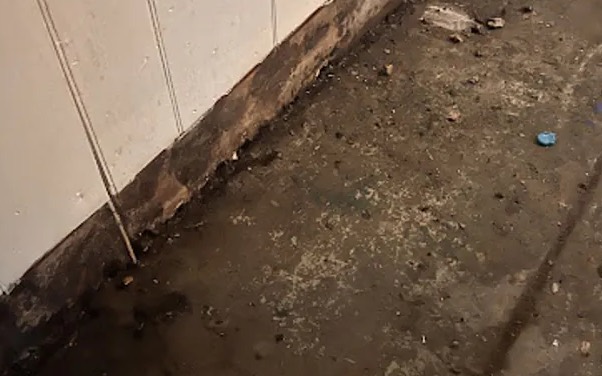
Contaminated Water Removal: Around-the-Clock Help for Holt Township Properties
Not all water damage is the same. In Holt Township, water from a sewer backup, an overflowing toilet, a washing machine drain or outside flooding carries contaminants that clean water from a supply line does not.
Contaminated Water Removal Services in Holt Township
Contaminated Carpet Removal
The subfloor under removed carpet is cleaned, disinfected and dried before new flooring goes down.
Toxic Spill Water Removal
Surfaces touched by chemical-laden water are cleaned with products suited to the contaminant before drying.
Emergency Water Mitigation
Emergency mitigation starts with stopping water use, containing the area and extracting contaminated water right away.
Sewage Water Cleanup
Contaminated materials are bagged and disposed of according to local rules, and the removed items are listed for insurance.
Sewage Backup Water Removal
After a sewage backup, carpet, pad and lower drywall that soaked it up are removed, and hard surfaces are cleaned and disinfected.
When to Call for Contaminated Water Removal in Holt Township, MI
Chemical Smell Near Standing Water
A chemical or fuel smell near water means something hazardous may be mixed in. Keep clear.
Sump Pump Failure and Overflow
A sump pit that overflows can push dirty groundwater and debris across a basement floor.
Sewage Backup in Home
Sewage coming up through toilets, tubs or floor drains is black water and needs protective cleanup right away.
Discolored Water in Basement
Dark or cloudy water in a basement often carries soil, sewage or debris from outside.
How Contaminated Water Removal Works in Holt Township
Step 1: Initial Hazard Assessment
The type of contamination is identified and the right protective gear is chosen.
Step 2: Source Control and Water Extraction
The backup or leak is stopped, and contaminated water is extracted right away.
Step 3: Removal and Disposal
Contaminated materials are removed, bagged and disposed of according to local rules for that kind of waste.
Step 4: Drying and Dehumidification
Clean surfaces are dried with dehumidifiers and air movers until readings are normal.
Common Causes of Contaminated Water in Holt Township
Gray Water Source Overflow
Overflowing laundry tubs and sinks send gray water across floors and into nearby rooms.
Industrial or Chemical Spills
Spills of fuel, oil or chemicals can mix with water and spread across floors and soil.
Heavy Rainfall and Flooding
Heavy rain and flooding carry soil, chemicals and sewage into buildings through doors and walls.
Septic Tank Backups
A full or failing septic system sends wastewater back up through the lowest drains.
Contaminated Water Removal Across Holt Township Residential and Commercial Sectors
Residential Contaminated Water Removal
In homes, contaminated water usually comes from a sewer backup, an overflowing toilet or a flooded basement. The area is contained, cleaned and dried while the family stays out of it.
Commercial Contaminated Water Removal
In businesses, a sewage backup can close restrooms, kitchens or whole floors. Cleanup is contained and planned to reopen safely and quickly.
Professional Contaminated Water Removal Over DIY in Holt Township, MI
You can stop using water in the house, keep people and pets away and take photos. Removing contaminated materials and disinfecting the area needs protective gear and the right products.
What Influences Contaminated Water Removal Pricing in Holt Township
In Holt Township, black water cleanup usually costs more than gray water cleanup, because more materials are removed and every surface is disinfected.
Affected Area Size
Larger contaminated areas need more extraction, more removal of materials, more disinfection and more drying.
Water Source and Volume
A large volume of water, or water from several sources, adds pumping and cleanup time.
Emergency Service Timing
Night, weekend and holiday calls can cost more than a scheduled weekday visit.
Does Insurance Cover Contaminated Water Removal?
Insurers often ask where the water came from, since coverage for sewage, gray water and floodwater differs. Notes on the source help answer that.
Benefits of Local Pros for Contaminated Water Removal in Holt Township, MI
Contaminant Handling
Each type of contamination is handled with the right protective gear and cleaning products.
Moisture Mapping
Meters show where contaminated water spread under flooring, into walls and toward other rooms.
Industry Standards
Cleanup follows industry standards for gray and black water, including removal of porous materials.
Around-the-Clock Emergency Contaminated Water Removal in Holt Township
Sewage or dirty water spreading in Holt Township? Stop running water in the house, keep everyone away and call (517) 300-2470. Help is available 24/7.
Call Now (517) 300-2470Local Contaminated Water Removal Areas Including Holt Township
Help with contaminated water removal is available across Holt Township, including sewage backup water removal and black water extraction.
- Contaminated Water Removal in Ann Arbor
- Contaminated Water Removal in Auburn Hills
- Contaminated Water Removal in Bath Township
- Contaminated Water Removal in Battle Creek
- Contaminated Water Removal in Bay City
- Contaminated Water Removal in Delta Center
- Contaminated Water Removal in Delta Township West
- Contaminated Water Removal in DeWitt Township
Contaminated Water Removal in Holt Township: Your Questions
Can microbial growth be avoided after contaminated water damage?
Usually, if contaminated materials are removed and the structure is dried quickly after cleaning.
Why is immediate action critical for contaminated water?
Contamination spreads into more materials and rooms over time, raising the cost and the health risk.
What is the difference between water extraction and restoration?
Extraction removes the water. Restoration includes cleaning, disinfection, drying and preparing the area for repairs.
What happens during the drying phase after cleanup?
Air movers and dehumidifiers dry the cleaned structure, and readings are taken daily until it is normal.
Is it safe to stay home during contaminated water cleanup?
Often yes, if the work area is contained and you stay out of it. People with health concerns may prefer to stay elsewhere.