Holt Township, MI
Black Mold Remediation & Removal in Holt Township, MIMold Containment Procedures & Black Mold Inspection
Many black mold remediation & removal jobs in Holt Township include black mold inspection, mold-contaminated material removal, and antimicrobial treatment for mold remediation for black mold cleanup.
Answered 24/7
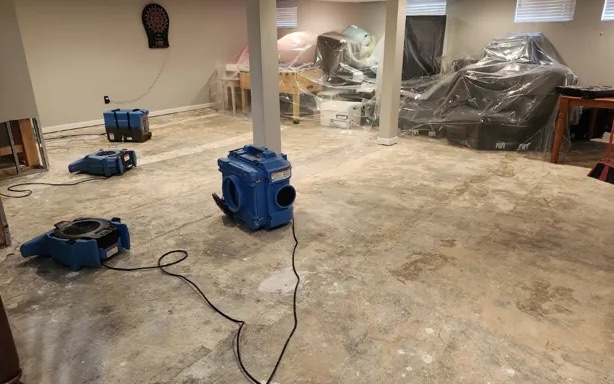
Expert Black Mold Remediation & Removal Available in Holt Township
Mold prevention in Holt Township hinges on addressing moisture sources promptly. Black mold in walls can spread unseen, so inspection comes first.
Local mold removal experts in Holt Township perform mold containment procedures and air scrubber installation to manage spores during work. Their mold damage restoration includes post remediation verification, giving property owners in the area confidence in the results.
Black Mold Remediation & Removal Offerings for Holt Township Residents
Mold Containment Procedures
In Holt Township, the pros implement strict containment procedures before disturbing any mold. It keeps the work site isolated and airborne spores under control.
Black Mold Inspection
Inspection for black mold involves checking common problem areas like bathrooms, under sinks, and around plumbing leaks. This initial assessment helps the experts in Holt Township develop the most effective strategy for removal and cleanup.
Moisture Control Consultation
First, all affected areas are found. The experts map the contamination to plan containment and removal.
Antimicrobial Treatment for Mold Remediation
The application of EPA-registered antimicrobial solutions helps sanitize the areas where mold was removed. It treats surfaces to discourage new mold.
Mold-Contaminated Material Removal
Porous materials like drywall, insulation, and carpeting that are heavily contaminated with black mold are typically removed and discarded. This removes most of the mold.
Signs That Require Black Mold Remediation
Warped or Stained Drywall
Discoloration, bulging, or softening of drywall or ceiling materials points to moisture damage and likely mold contamination.
Peeling Paint or Wallpaper
Paint bubbling or wallpaper peeling away from the wall is often caused by moisture trapped underneath, which fuels mold growth.
Deteriorating Attic or Crawlspace
Wet insulation, rotted wood or visible mold in these hidden spaces are common signs of a serious mold problem.
Damp Basement or Foundation Walls
Efflorescence, damp spots or general dampness in lower levels are ideal for black mold.
How Black Mold Remediation & Removal Works in Holt Township
Step 1: Detailed Scope and Moisture Mapping
The experts conduct an inspection to define the full scope, using tools to detect hidden moisture and plan the mold remediation process.
Step 2: Advanced Air Quality Management
Air scrubbers filter airborne particles during mold remediation, while containment helps limit their movement into adjacent spaces.
Step 3: Complete Material Removal and Treatment
The core of black mold removal is the safe disposal of contaminated drywall, insulation, or carpet.
Step 4: Final Inspection and Source Correction
The final action is moisture source correction, the key to long-term mold prevention success.
Common Causes of Black Mold in Holt Township
Improperly Dried Water Damage
Incomplete drying after a leak or flood leaves moisture in materials, and mold follows.
Clogged or Damaged Gutters
Gutters that overflow or leak direct water against the siding and foundation, leading to saturated walls and structural mold problems.
Foundation Cracks and Seepage
Water seepage through cracks in the foundation or slab introduces ground moisture, a common cause of mold in basement and crawl spaces.
Inadequate Attic Ventilation
Poor airflow in the attic traps heat and moisture from the living space below, promoting mold growth on roof sheathing and insulation.
Home and Business Black Mold Remediation & Removal in Holt Township, MI
Residential Black Mold Remediation & Removal
The experts use containment and HEPA vacuuming to protect your family's health and home structure during the mold remediation process.
Commercial Black Mold Remediation & Removal
For businesses, mold can disrupt operations, damage inventory, and affect employee health and customer perception. Containment separates affected spaces, and air scrubbing filters airborne particles during remediation.
DIY Mold Removal vs. Professional Black Mold Remediation & Removal
Improving ventilation in bathrooms and kitchens by using exhaust fans can help reduce ambient humidity, a key factor in mold prevention. If you see mold growing on drywall, wood, or insulation, these porous materials require specialized removal techniques only the experts provide.
Factors in Black Mold Remediation & Removal Pricing for Holt Township
Mold remediation cost factors include the severity and persistence of the moisture source, such as a plumbing leak or faulty roof flashing, which dictates the scope of drying and corrective repairs needed.
Accessibility Challenges
Mold in tight crawl spaces, behind finished walls, or in high attics requires more labor-intensive demolition and drying efforts.
Extent of Contamination
The square footage of mold growth and whether it's surface-level or deep within structural materials dictates labor and material scope.
Antimicrobial Application
Treating all affected surfaces and cavity spaces with EPA-registered biocides after mold removal is a standard material expense.
Does Insurance Cover Black Mold Remediation & Removal?
Black mold in walls caused by a covered peril, such as a ruptured supply line, may lead to insurance assistance for removal. Moisture maps and photos support your claim. Final coverage approval belongs to your insurance carrier.
Why Choose Local Mold Removal Experts for Black Mold Remediation & Removal in Holt Township
24/7 Emergency Mold Response
An assessment of visible black mold examines moisture sources and affected materials to guide containment and removal.
Containment Barrier Installation
Sealing the work area with plastic sheeting prevents the cross-contamination of mold spores to clean parts of your property.
Antimicrobial Treatment Application
Applying EPA-registered agents to cleaned surfaces inhibits future mold growth on framing and sub-surfaces after material removal.
24/7 Emergency Black Mold Remediation & Removal in Holt Township, MI
A mold problem can escalate overnight. For urgent black mold remediation and air scrubber deployment to protect your indoor air, make the emergency call to (517) 300-2470.
Call Now (517) 300-2470Black Mold Remediation & Removal Service Area Including Holt Township
Help with black mold remediation & removal is available across Holt Township, including black mold inspection and mold containment procedures.
- Black Mold Remediation & Removal in Ann Arbor
- Black Mold Remediation & Removal in Auburn Hills
- Black Mold Remediation & Removal in Bath Township
- Black Mold Remediation & Removal in Battle Creek
- Black Mold Remediation & Removal in Bay City
- Black Mold Remediation & Removal in Delta Center
- Black Mold Remediation & Removal in Delta Township West
- Black Mold Remediation & Removal in DeWitt Township
Black Mold Remediation & Removal FAQs
What does mold containment procedures involve?
It involves sealing the work area with plastic sheeting and using negative air pressure with HEPA filters to prevent mold spores from spreading to clean zones.
What health risks are associated with black mold?
Exposure to Stachybotrys spores can trigger allergic reactions, respiratory irritation, and worsen asthma, especially in sensitive individuals or with prolonged exposure.
Is mold testing necessary before remediation?
A professional mold inspection identifies the type and extent of mold, which guides the remediation plan. Post-remediation verification testing confirms the cleanup was successful.
What happens during mold-contaminated material removal?
Porous materials like moldy drywall and insulation are carefully bagged and sealed on-site for disposal, preventing spore release during transport from your property.
What equipment is used for mold damage restoration?
Pros use containment barriers and negative air machines, HEPA vacuums and air scrubbers, personal protective equipment, tools for controlled demolition, moisture meters for detection, and antimicrobial spraying equipment.